Searching for a 3D printing service in Dhaka usually means you already have something you want to make: a prototype, university project, enclosure, replacement part, miniature, architectural model or custom product. The challenge is knowing what information to send and how the order process works.
The good news is that ordering a custom 3D print does not need to be complicated. Even if you are completely new to 3D printing, a clear idea, basic dimensions and a few details about how the object will be used can be enough to start a conversation.
What Is a Custom 3D Printing Service?
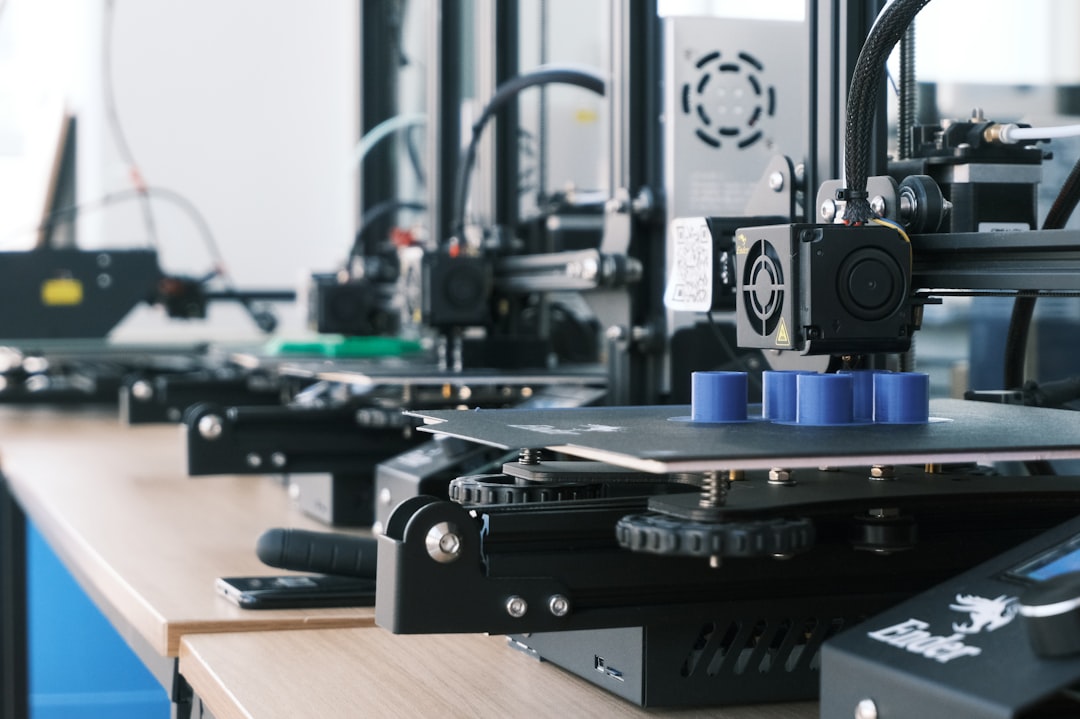
A 3D printing service takes a digital model and manufactures it layer by layer. Unlike buying a ready-made product, custom printing allows the shape, size and features to be created for a particular requirement.
This is useful when the product you need is unavailable in the market, when you are testing a new idea, or when manufacturing with conventional methods would be too slow or expensive for a small quantity.
Step 1: Start With Your 3D Model
If you already have an STL, STEP or OBJ file, send it with your inquiry. A service provider can inspect the model for dimensions, geometry and printability. The file is then prepared in slicing software where settings such as layer height, walls, infill and supports are selected.
If your model comes from an online library, make sure you have permission to use it and confirm the intended scale. A model that looks correct on a computer screen can still be the wrong physical size if its units were exported incorrectly.
What If You Do Not Have an STL File?
You can still begin. For many custom projects, a 3D model can be designed from measurements, sketches, reference photos or the actual components that must fit inside the product.
For example, an electronics enclosure may need openings for a USB port, camera, display, switch and mounting screws. A holder may need to fit around an existing device. The more accurate information you provide, the easier it is to create a useful first prototype.
Step 2: Explain How the Part Will Be Used
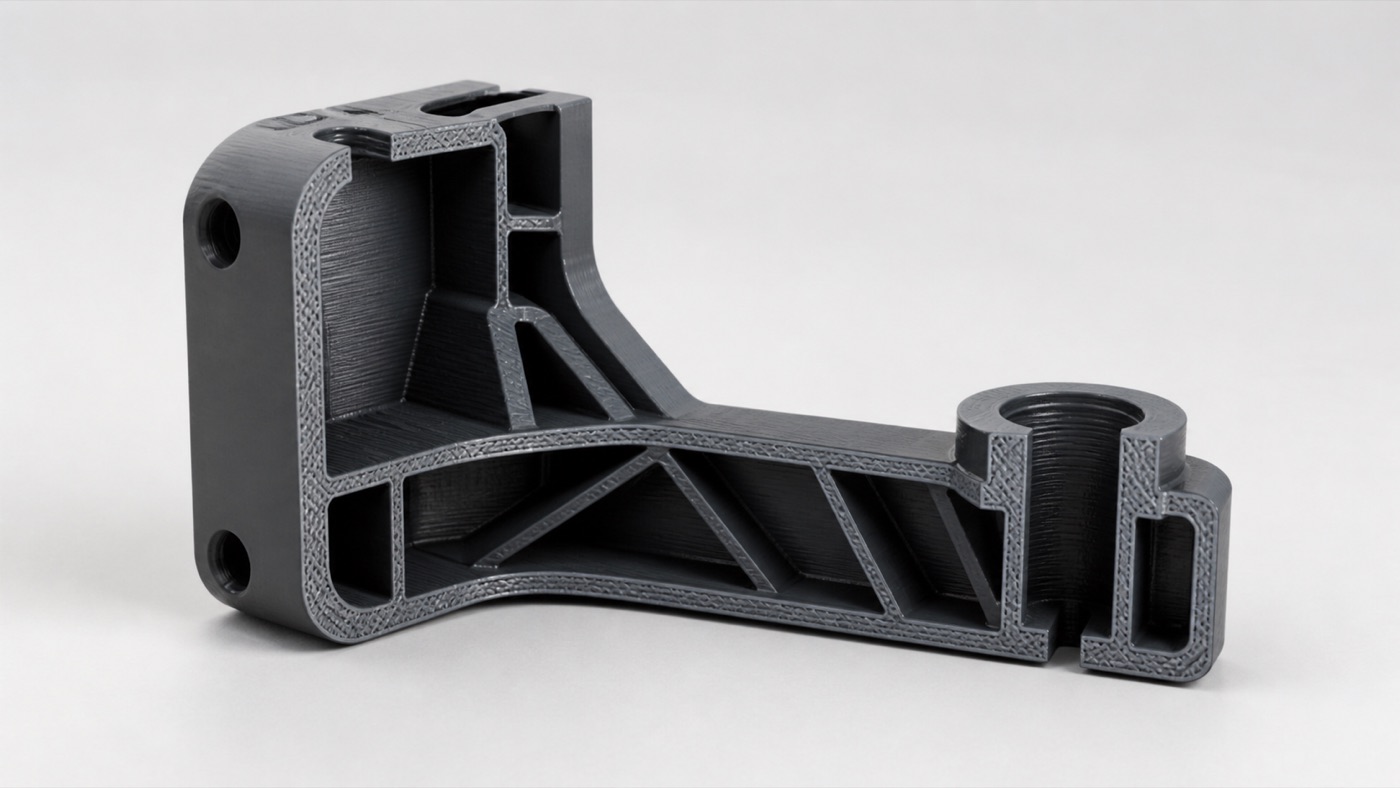
This step is often overlooked. Do not simply say, “Print this.” Explain what the part needs to do. Will it stay indoors? Will it be exposed to heat? Does it need to flex? Will screws be tightened into it? Is appearance more important than strength?
These details influence material choice, print orientation and internal structure. A decorative display model and a functional drone component should not automatically use identical settings.
Step 3: Choose FDM or SLA Printing
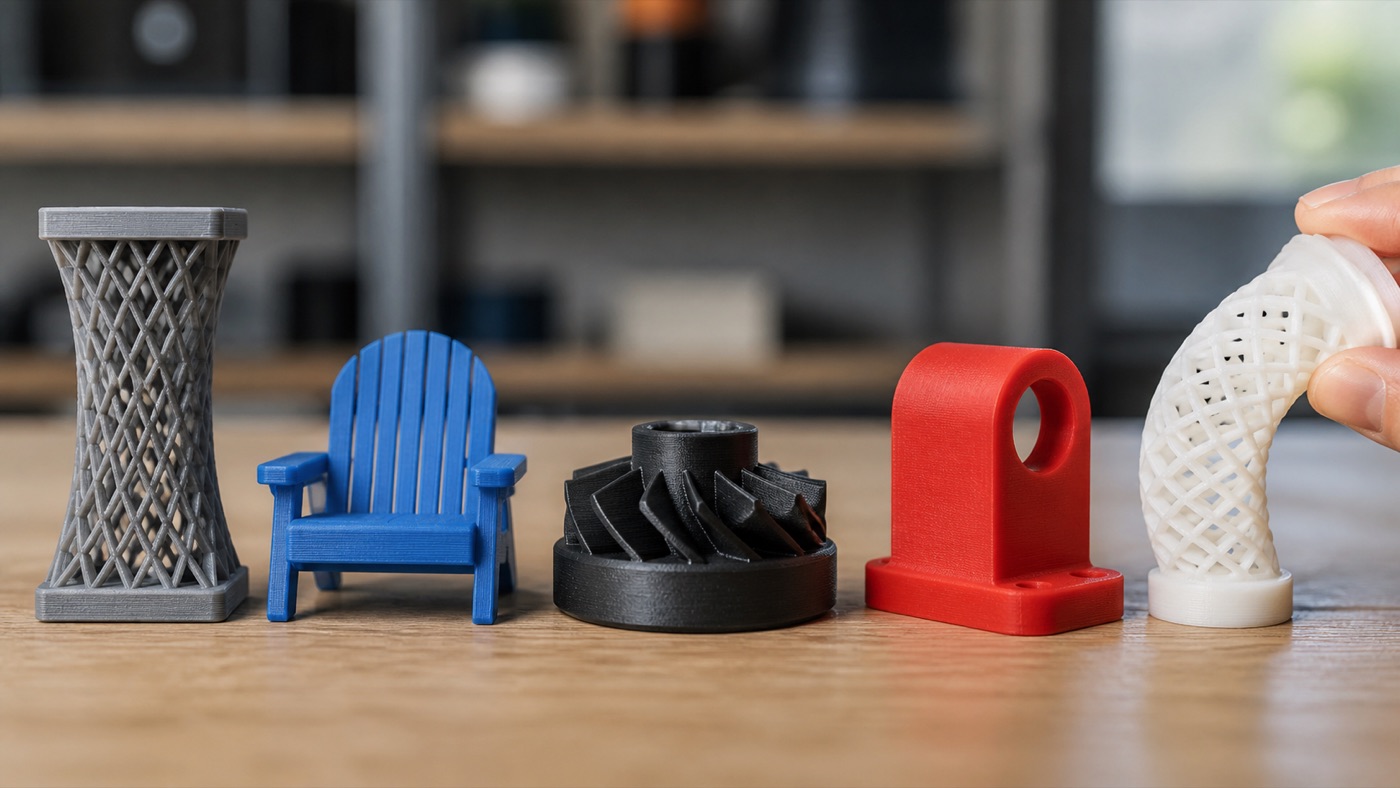
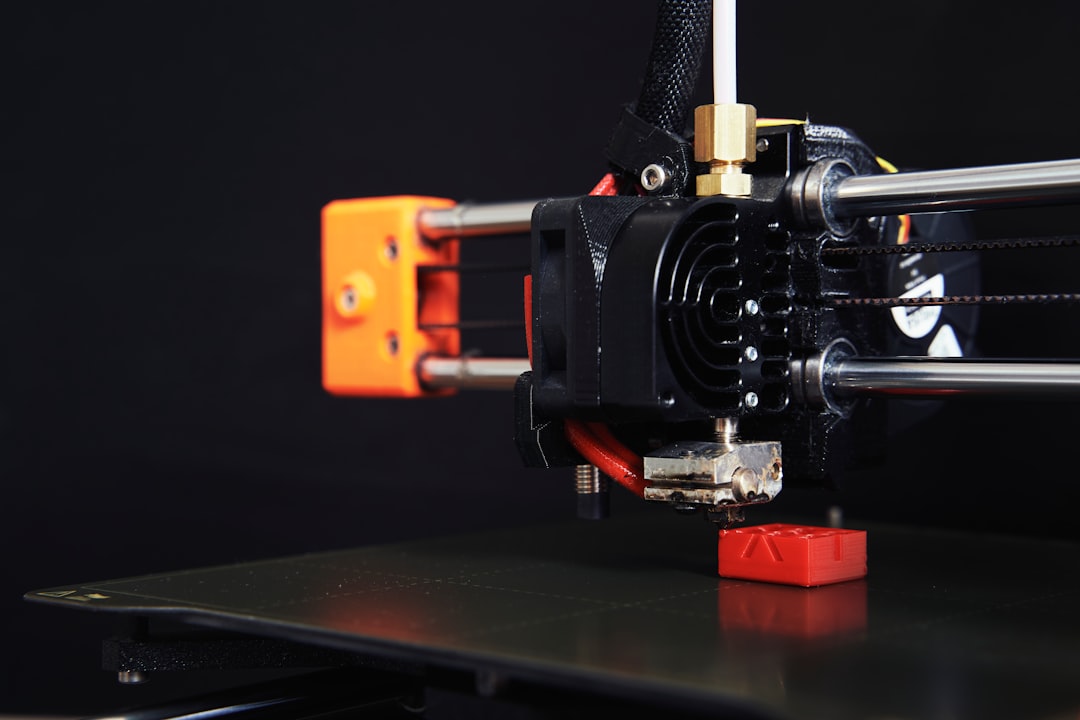
FDM printing melts thermoplastic filament and deposits it layer by layer. It is widely used for prototypes, functional parts, enclosures, brackets and larger objects. Common material options include PLA, PETG, ABS, ASA and flexible TPU.
SLA resin printing is especially useful for small, detailed objects. It can capture fine features that may be difficult to reproduce with a standard FDM setup. Miniatures, detailed presentation pieces and certain precision models are common applications.
Step 4: Select the Right Material
PLA is easy to print and works well for many visual prototypes and general indoor products. PETG is popular for functional parts that need a useful combination of toughness and printability. ABS and ASA can be selected for applications where their specific properties are valuable, while TPU is used for flexible parts.
There is no universal “best filament.” Material should follow the application. If you are unsure, describe the working environment and let the printing team recommend an option.
Step 5: Request a Quotation
A useful quotation needs more than a screenshot. Send the actual 3D file whenever possible, along with quantity, dimensions, preferred material, color and deadline. The model can then be sliced to estimate material usage and machine time.
If design work is required, explain that from the beginning. Custom CAD work and 3D printing are separate stages, and a complex engineering design naturally requires more preparation than printing a finished STL.
Step 6: Prototype Before Final Production
One of the strongest reasons to use 3D printing is iteration. Your first version does not need to be the final version. You can test fit, ergonomics, assembly and appearance, identify problems and update the CAD model.
This workflow is especially valuable for startups, engineers and students: Design → Print → Test → Improve → Print Again. Discovering a mistake in a prototype is far better than discovering it after committing to a more expensive manufacturing method.
Step 7: Check the Finished Part
When receiving a functional print, check important dimensions, screw locations, mating surfaces and component fit. For a visual model, inspect the surface and detail level. Some layer lines are a natural characteristic of FDM printing, while post-processing can be considered when appearance is especially important.
Can You Order From Outside Dhaka?
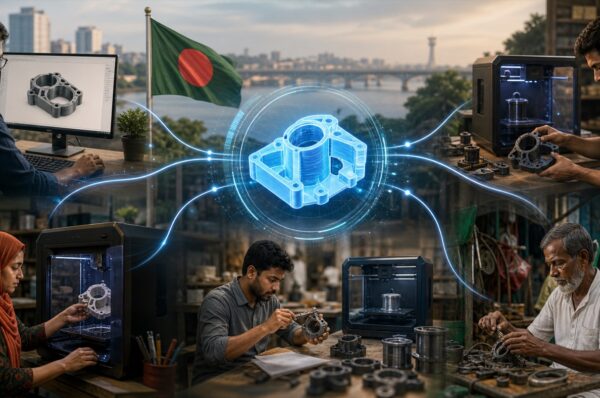
A digital manufacturing workflow is not limited by where the 3D file was created. A client can send design information digitally, discuss requirements remotely and arrange delivery after production. This makes custom 3D printing useful for projects from different parts of Bangladesh, not only people who can physically visit a workshop.
Order Your Custom Print With Artin3D
Artin3D provides custom FDM and SLA printing along with 3D design and prototype development. If you have a ready file, send it with your requirements. If you only have an idea or physical components, explain what you want to build and provide clear measurements or references.
The goal is not simply to make a printer move. The goal is to produce a part that makes sense for its real application.
Artin3D – Where ideas take shape.