If you are comparing 3D printer filament price in Bangladesh, the first thing to understand is that two spools that look similar can behave very differently. Material type, net weight, diameter consistency, pigmentation, additives, moisture protection, brand quality and import costs all influence what you pay and, more importantly, what you get from the spool.
Why filament prices vary
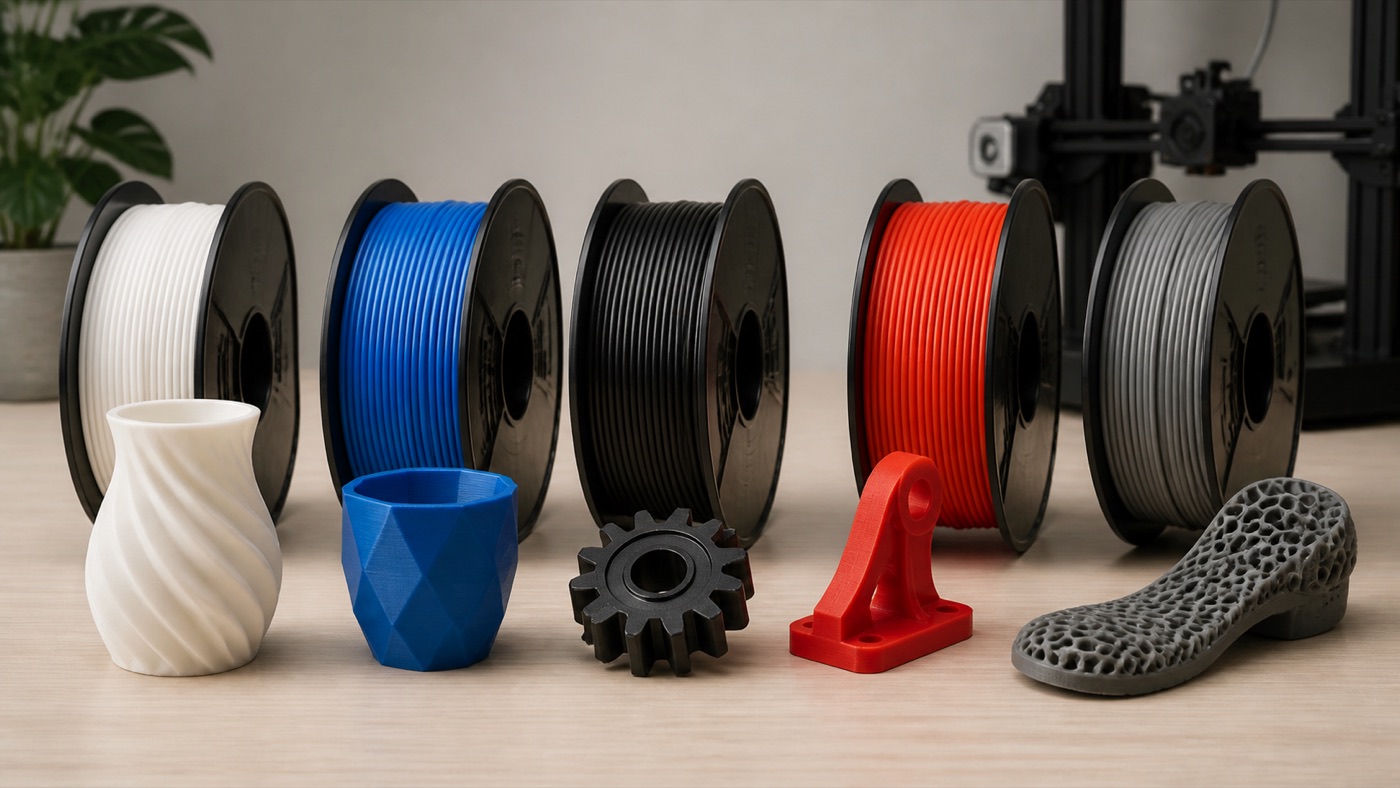
A price comparison should begin with the exact material and spool weight. PLA is not directly comparable with flexible TPU or a specialty composite. Even within PLA, standard PLA, PLA+, matte, silk and filled variants can have different manufacturing requirements. Shipping, exchange rates and local stock availability can also influence retail pricing in Bangladesh, so a fixed number in an article can become outdated quickly.
Compare cost per kilogram, not only spool price
One spool may contain 1 kg of material while another contains less. Always check net filament weight. For production work, cost per usable kilogram is more meaningful than the sticker price. A slightly more expensive spool that prints consistently can also reduce failed prints, machine time and labor, making the actual cost per successful part lower.
PLA pricing and value
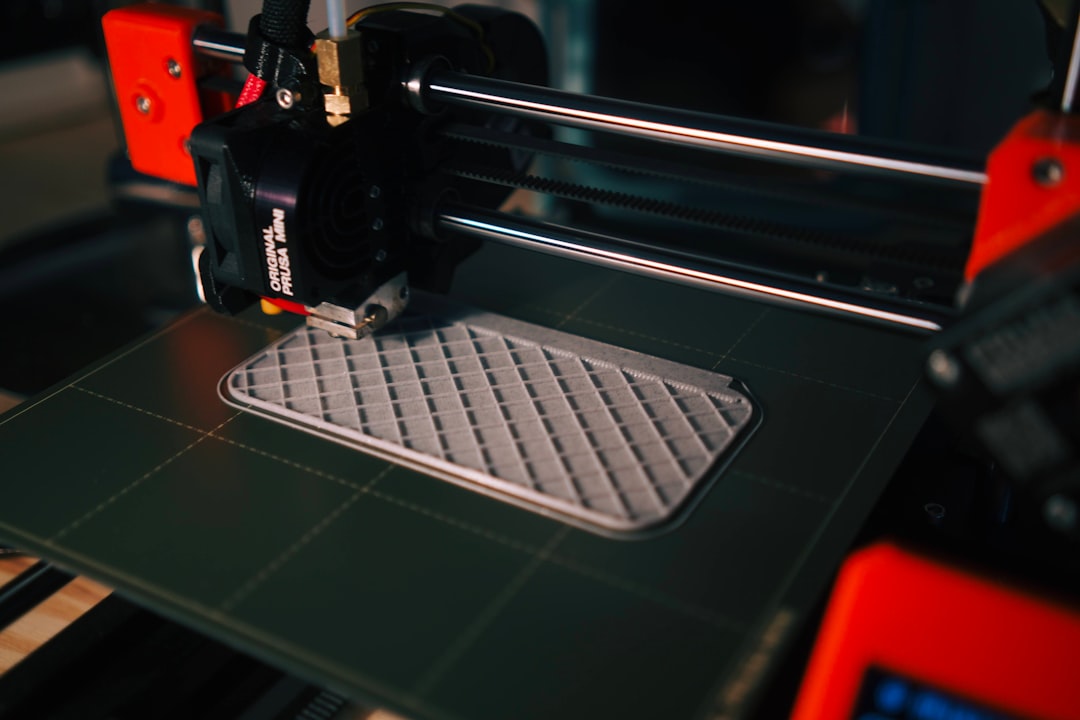
PLA is widely used for models, prototypes, décor, educational pieces and many indoor products. Because it is popular, buyers often find a broad range of brands and finishes. When evaluating a budget PLA, check diameter tolerance, winding quality and user experience rather than assuming every spool will produce the same surface finish.
PETG pricing and value
PETG is frequently selected for functional parts where users want more toughness and temperature performance than ordinary PLA. Good PETG should arrive dry and well sealed. If a low-cost spool has absorbed moisture or has inconsistent diameter, the savings can disappear through stringing, rough surfaces and failed production.
ABS and ASA
ABS and ASA are more application-specific. They can be useful for functional and higher-temperature parts, while ASA is attractive for outdoor exposure. Printing these materials may require a more controlled printer environment. When ordering printed parts rather than raw filament, machine setup and print risk therefore become part of the final production cost.
TPU and specialty filament
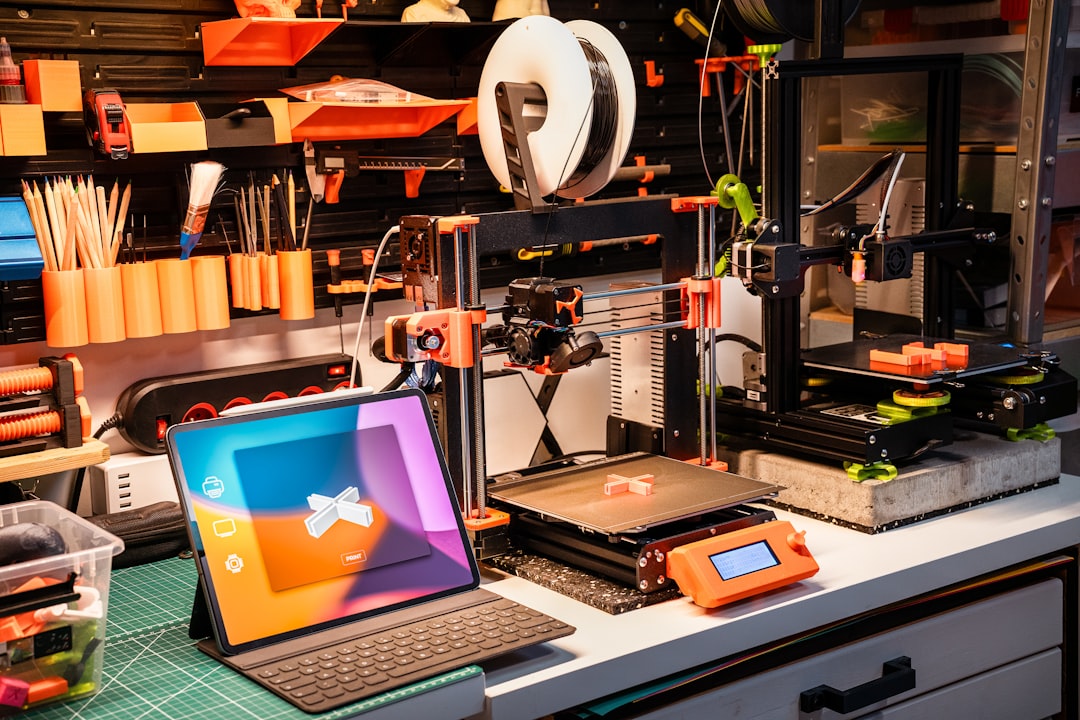
Flexible TPU, nylon, carbon-fiber-filled materials and other specialty filaments are usually purchased for specific mechanical requirements rather than general printing. They may need different nozzles, drying procedures or slower settings. Compare the total manufacturing requirement, not just raw material cost.
What makes a filament worth paying more for?
Consistency matters. Good winding reduces tangles. Stable diameter supports predictable extrusion. Proper packaging reduces moisture exposure. Reliable color batches matter when producing multiple parts for one client. Technical data from the manufacturer can also help when a product needs specific temperature or mechanical characteristics.
How much filament does a product use?
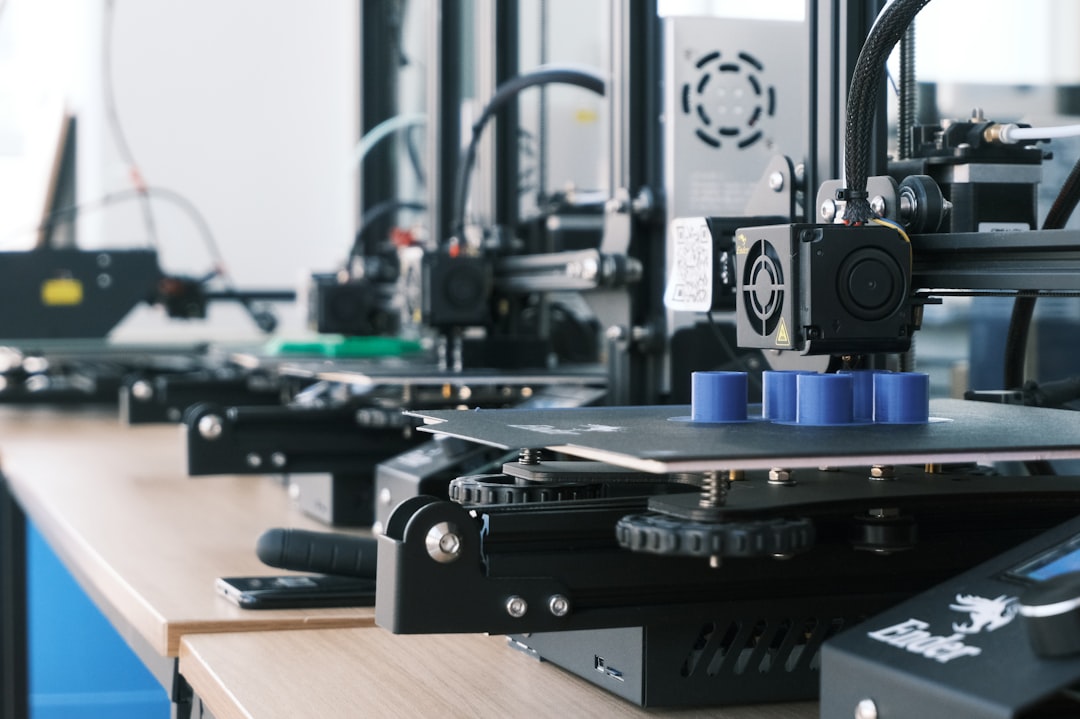
Slicer software estimates material usage before printing. Weight depends on dimensions, wall count, top and bottom layers, infill percentage, support material and the model’s geometry. A large hollow enclosure can sometimes use less filament than a smaller dense mechanical part. This is why professional quotes should be based on the actual model rather than size alone.
Filament cost is only one part of 3D printing price
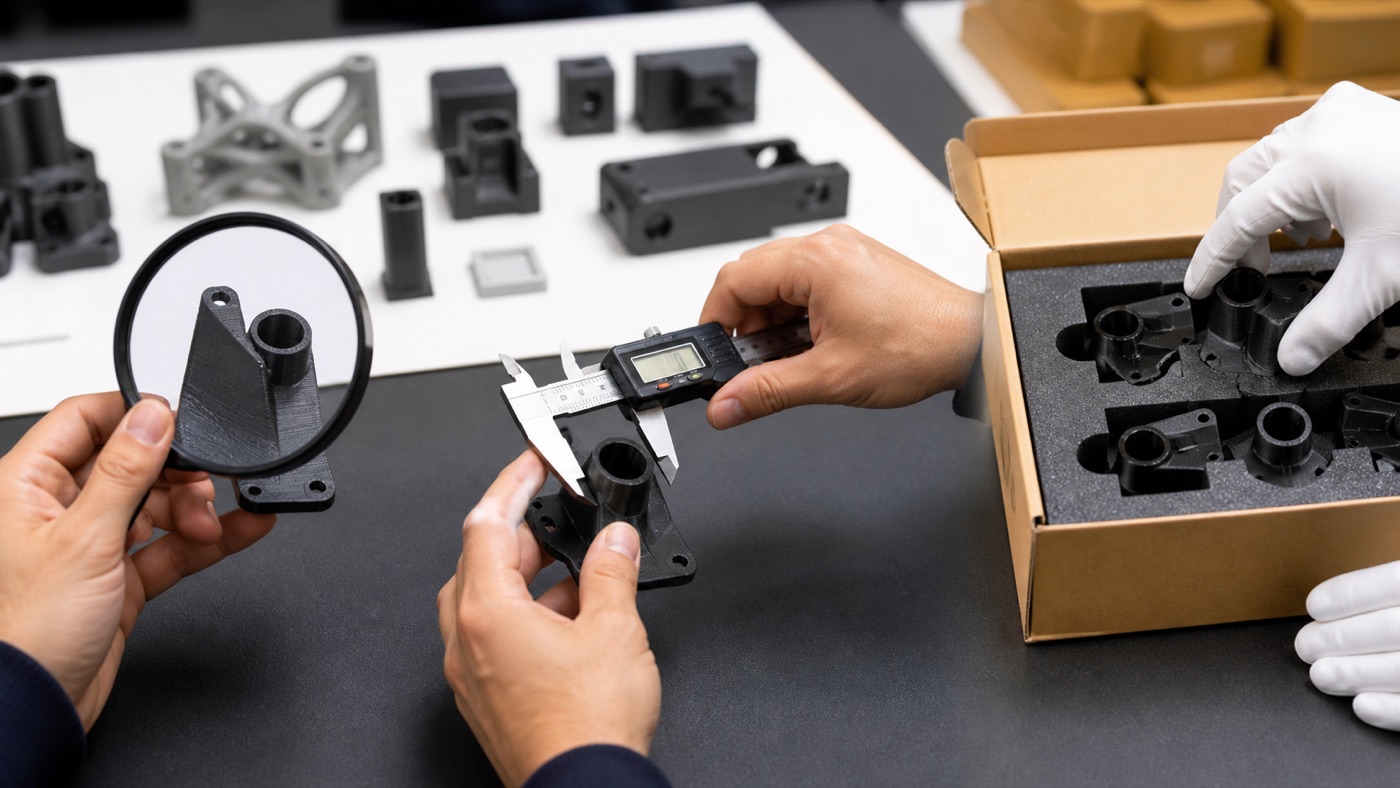
If you are ordering a finished 3D print, the spool price is not the same as the service price. Printing also uses machine time, electricity, setup, calibration, support removal, quality control, failed-print allowance and sometimes design work. Complex parts may require post-processing or assembly.
Buying filament vs ordering a printing service
If you print regularly and understand machine calibration, buying your own filament makes sense. If you only need a few prototypes or custom parts, a service can avoid the cost of maintaining printers, stocking several materials and learning different profiles. For businesses, outsourcing can also free the team to focus on design and testing.
How to request an accurate quote
Send the STL, STEP or other available model, quantity, required material or use case, desired color and deadline. If you do not know which filament is appropriate, explain how the product will be used. Artin3D can evaluate the project and recommend a practical FDM or SLA route instead of choosing solely from a spool price. Artin3D – Where ideas take shape.