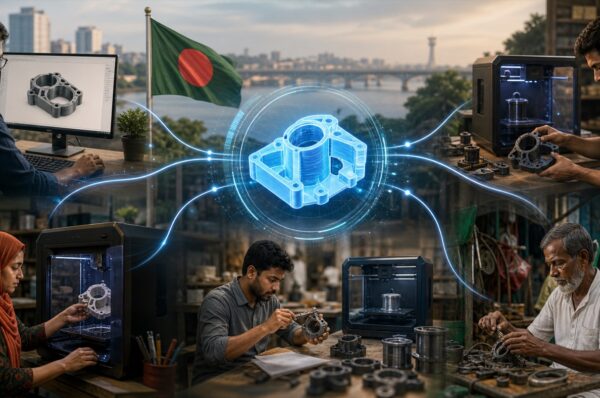
A startup can lose significant time and money by manufacturing the wrong version of a product. A dimension that looked fine in CAD may feel uncomfortable in a user’s hand. A connector may be hard to reach. Assembly may take too long. 3D printing gives startups in Bangladesh a way to discover many of these problems before committing to expensive production tooling.
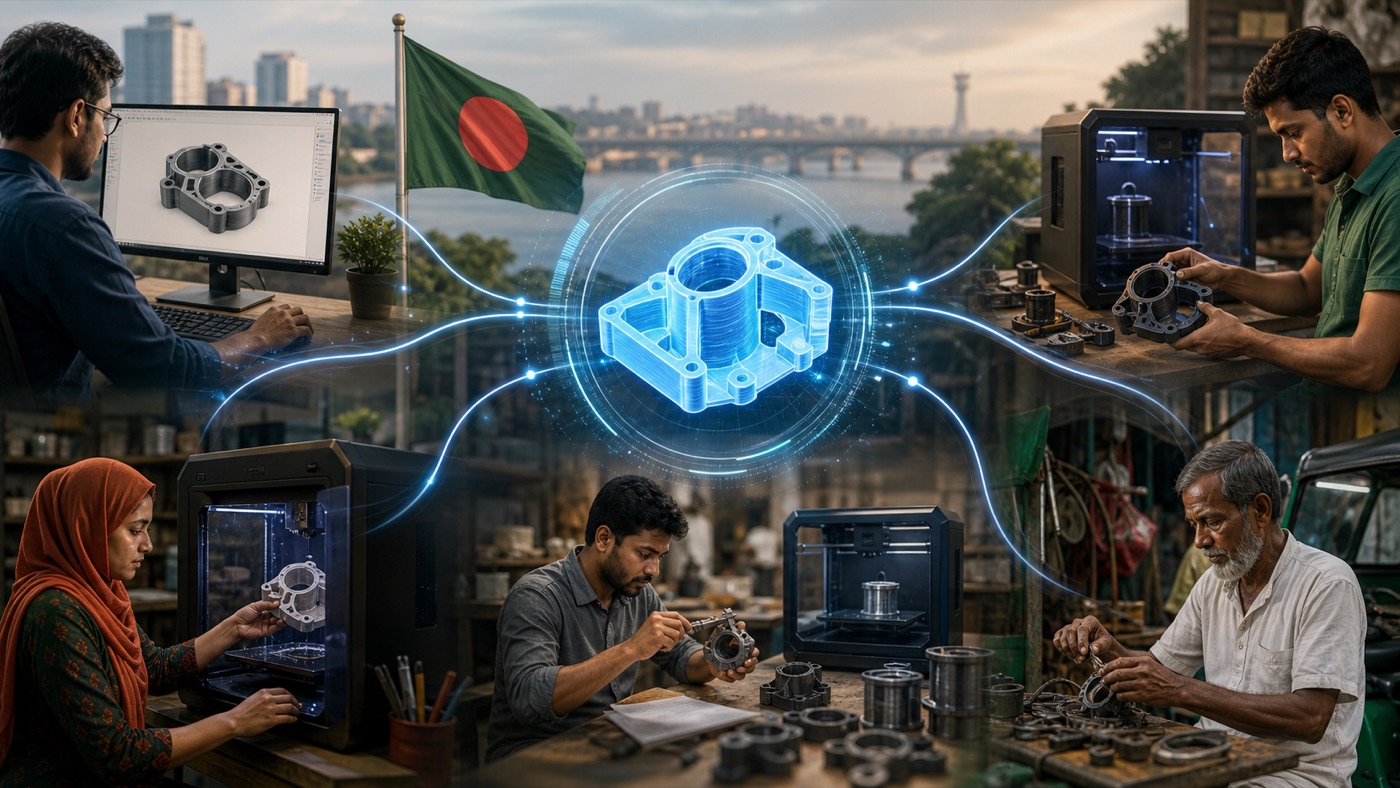
What rapid prototyping actually means
Rapid prototyping is a workflow, not simply fast printing. The team creates a design, makes a physical version, tests it, collects feedback and revises the design. The cycle continues until the product is sufficiently mature for the next manufacturing stage.
Why physical prototypes matter
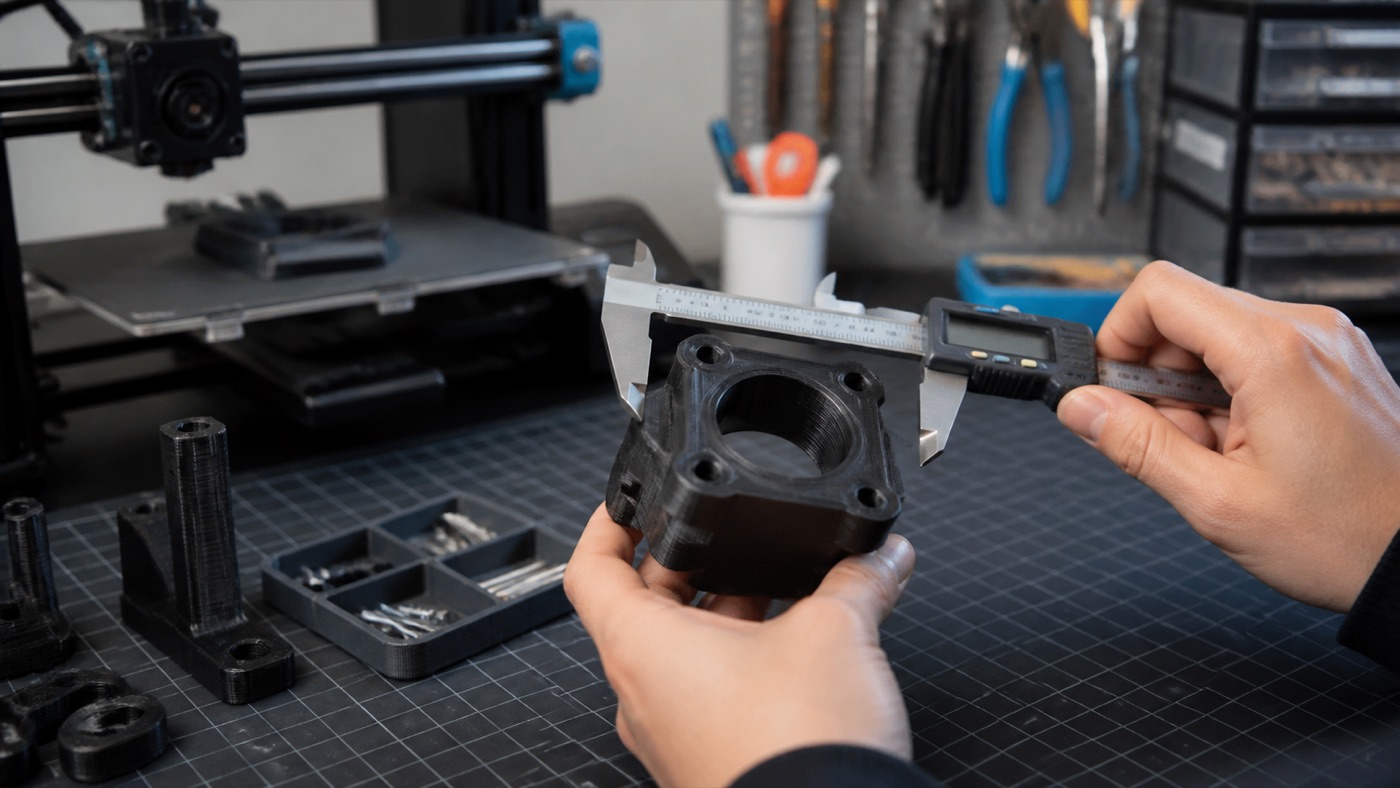
Rendering can communicate appearance, but it cannot fully communicate weight, grip, assembly, clearances or real component fit. A physical prototype lets founders, engineers, investors and potential users interact with the concept. Problems become concrete rather than theoretical.
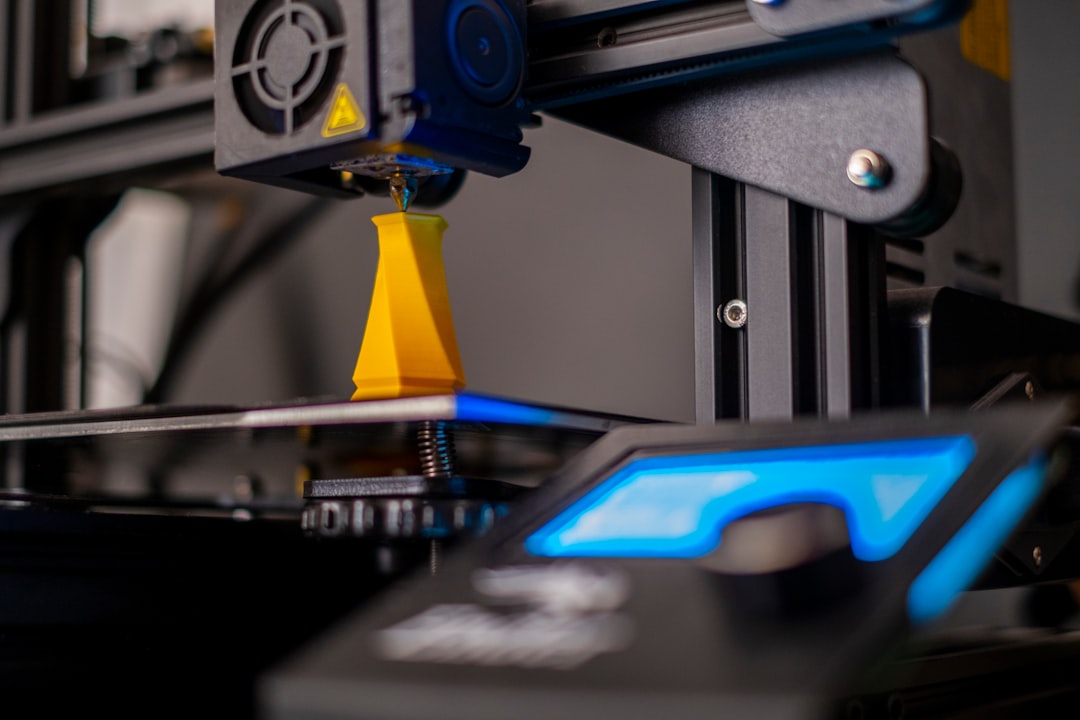
Prototype electronics enclosures
Hardware startups can print cases around real PCBs, cameras, sensors and batteries. This makes it possible to test connector access, ventilation, mounting and assembly. If the electronics change, the enclosure can be updated without scrapping a mold.
Prototype user experience
For handheld products, print several shapes and let users compare them. Test button placement, grip size and visibility. For desktop products, evaluate cable routing and stability. A prototype can answer questions that a survey cannot.
FDM vs resin for startups
FDM is often effective for functional housings, brackets and larger parts. Resin printing can be useful for small high-detail appearance models. A startup may use different technologies at different stages: inexpensive draft FDM for fit checks, then a finer presentation model for a pitch or exhibition.
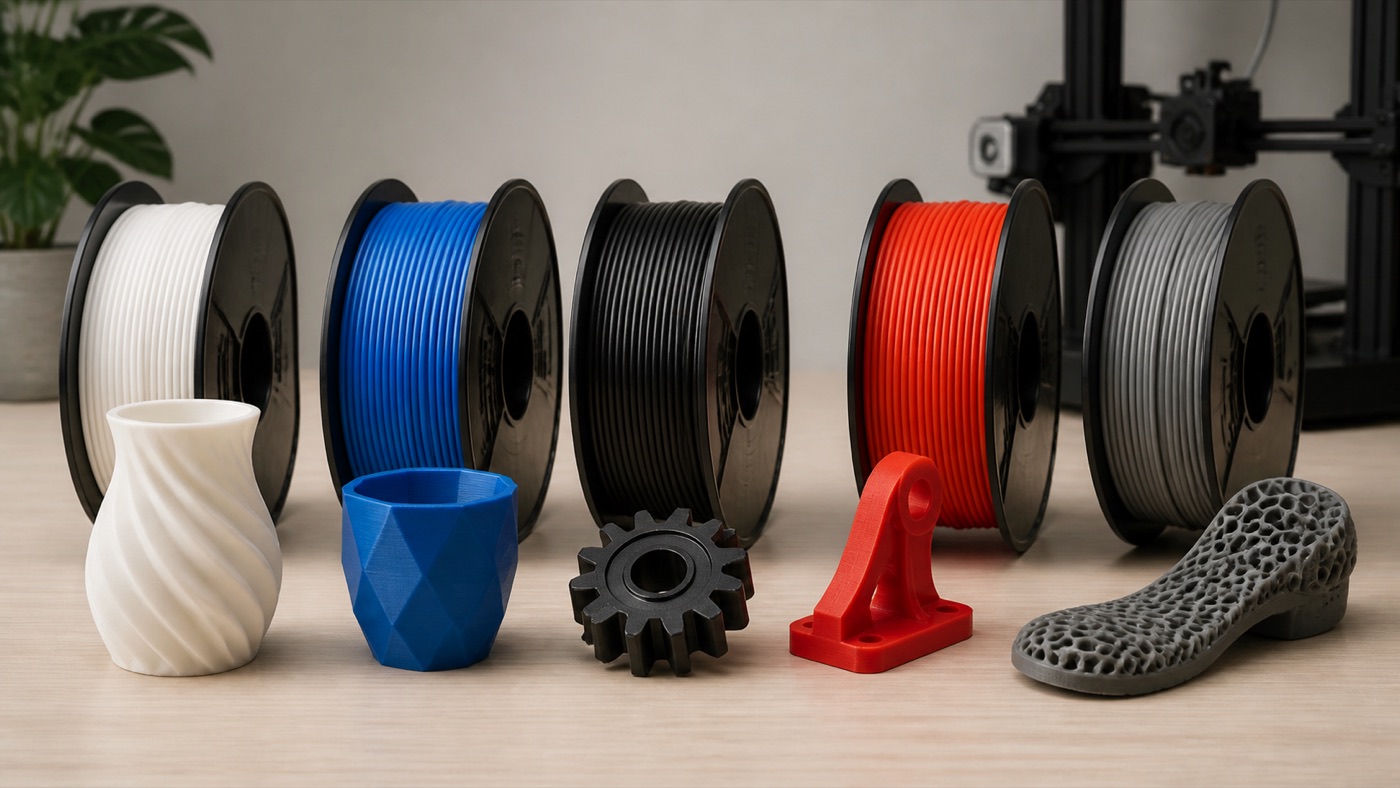
Do not over-finish Version 1
The first prototype exists to reveal problems. Spending excessive time sanding and painting a design that may change tomorrow is rarely efficient. Print quickly, test aggressively and save presentation-level finishing for later versions.
Design for assembly
Many product costs come from assembly rather than raw material. During prototyping, time how long it takes to install the PCB, fasten the case and route cables. Reduce unnecessary screws. Add alignment features. Make parts difficult to assemble incorrectly.
Small pilot batches
After the design works, 3D printing can support a limited pilot run. Give units to selected users and collect feedback. Because no permanent mold defines the geometry, small improvements can still be introduced between batches.
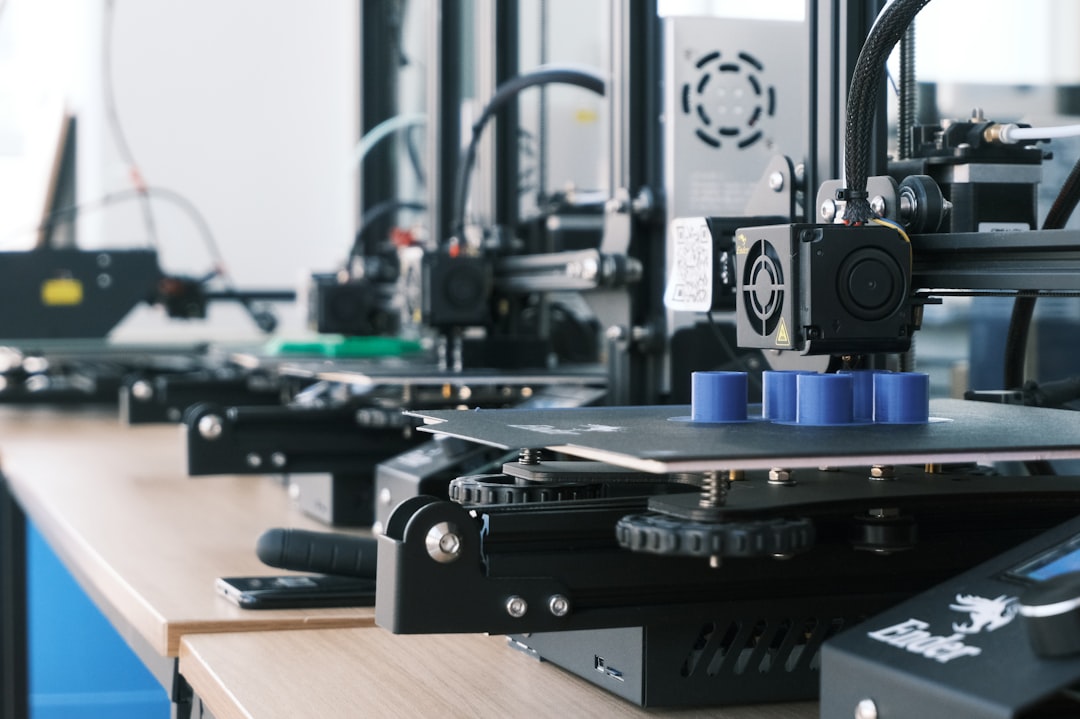
When to move beyond 3D printing
3D printing is not always the cheapest method at high volume. When demand becomes predictable and the design is stable, injection molding, CNC machining, sheet fabrication or another process may become more appropriate. The prototypes reduce risk because the startup reaches tooling with a more mature design.
Protecting design knowledge
Startups should keep organized CAD revisions, manufacturing notes and test results. Use clear version numbers. If outside suppliers are involved, share only the files necessary for the task and use appropriate commercial agreements when confidentiality matters.
Budgeting for iteration
Do not allocate the entire prototype budget to one perfect print. Plan for multiple versions. A cheaper early prototype that reveals a serious issue can be more valuable than an expensive final-looking model that was never tested.
Working with Artin3D
Startups can provide ready-to-print files or discuss projects that need custom design around physical components. Share the intended use, dimensions, quantity, material requirements and deadline. Artin3D provides FDM and SLA printing and can support iterative prototype development for suitable projects.
Conclusion
The purpose of a prototype is to learn cheaply before mistakes become expensive. For Bangladesh’s hardware and product startups, 3D printing can shorten the path from idea to something that can be held, tested and improved. Prototype first, validate the design, then choose the right manufacturing process for scale. Artin3D – Where ideas take shape.