If you are planning to turn a digital model into a physical product, one of your first questions is probably: How much does 3D printing cost in Bangladesh? The simple answer is that there is no single fixed price that works for every model. A tiny keychain, a flexible TPU holder, a detailed resin miniature and a large engineering prototype can all require completely different amounts of material, machine time and preparation.
This guide explains the main factors behind 3D printing prices so you can understand what you are paying for and prepare your project in a way that can reduce unnecessary cost.
Why Is There No Fixed 3D Printing Price?
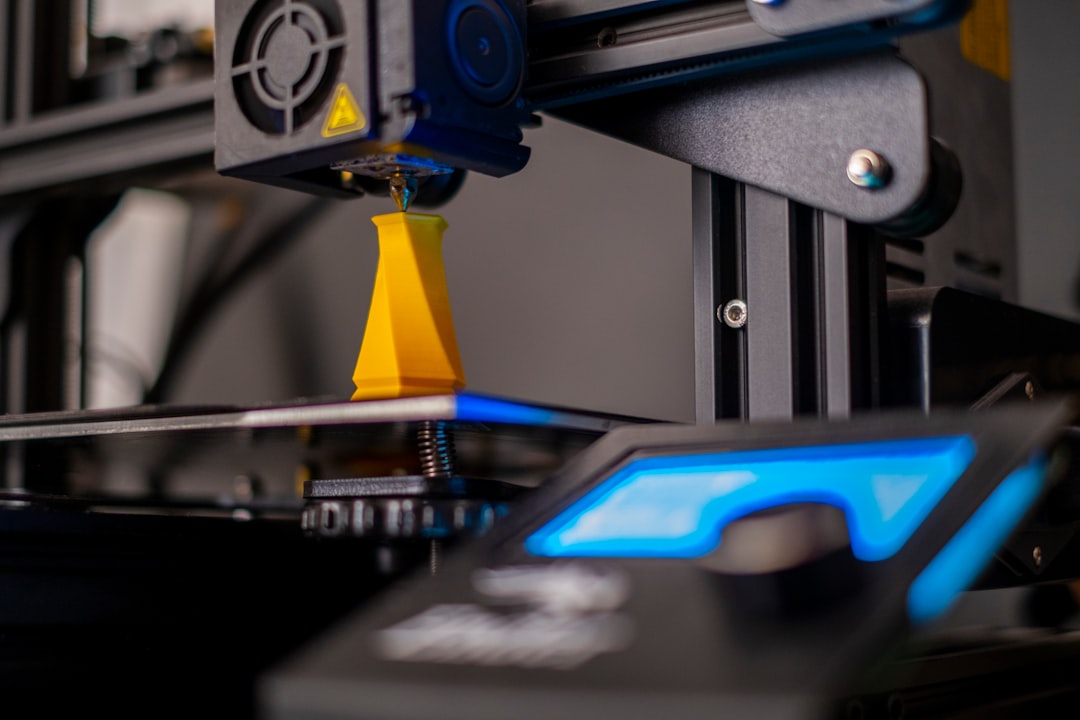
3D printing is a manufacturing process. Before a model can be printed, the file needs to be checked, positioned, sliced and given appropriate settings. The printer then runs for a certain number of hours while consuming material. Some parts also need supports, assembly, sanding or other finishing.
This means two models that look almost the same from the outside may have very different production costs. One might be hollow with thin walls, while another needs thick walls and high infill for strength.
1. Material Usage
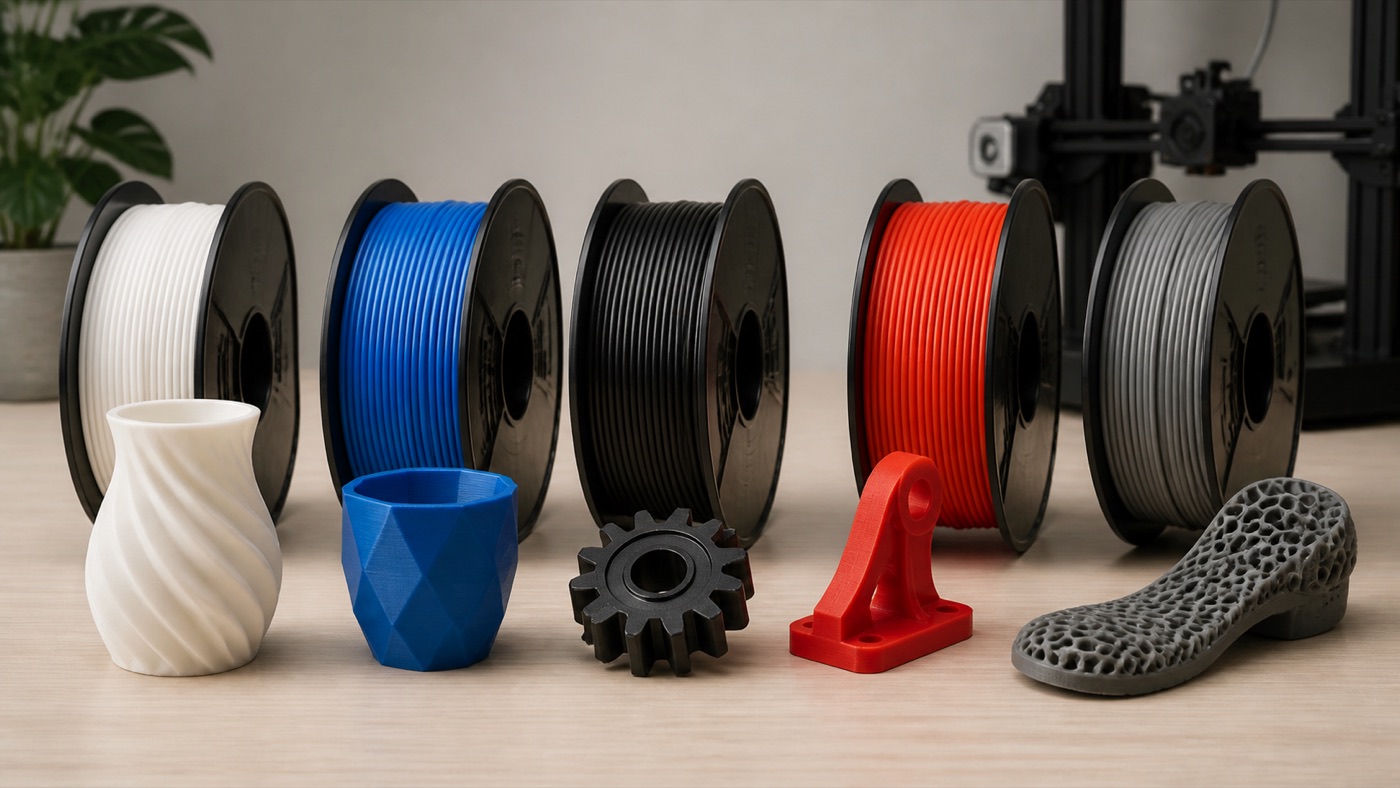
Material consumption is one of the most obvious pricing factors. FDM printing uses filament such as PLA, PETG, ABS, ASA or TPU, while SLA printing uses liquid resin. A larger or denser part generally consumes more material.
However, dimensions alone do not tell the full story. Wall thickness, top and bottom layers, infill percentage, supports and internal geometry can significantly change the amount of material required.
2. Printing Time
Machine time matters because a printer may be occupied for several hours or even days for one project. A tall model printed with a fine layer height normally takes longer than a simple low-profile part. Slower printing may also be needed for difficult geometry, flexible material or a high-quality surface.
When comparing quotations, remember that a reliable print is more important than simply choosing the fastest possible settings. Printing too aggressively can create failed parts and poor dimensional accuracy.
3. FDM vs SLA Resin Printing
FDM and SLA solve different problems. FDM is commonly selected for functional prototypes, enclosures, brackets, larger parts and general products. SLA resin printing is valuable when very small details, miniature features or a smoother appearance are important.
The technology should be selected based on the purpose of the product rather than price alone. Paying for ultra-fine resin detail makes little sense for a large basic bracket, while using a coarse FDM setup may not satisfy a highly detailed miniature.
4. Infill and Strength
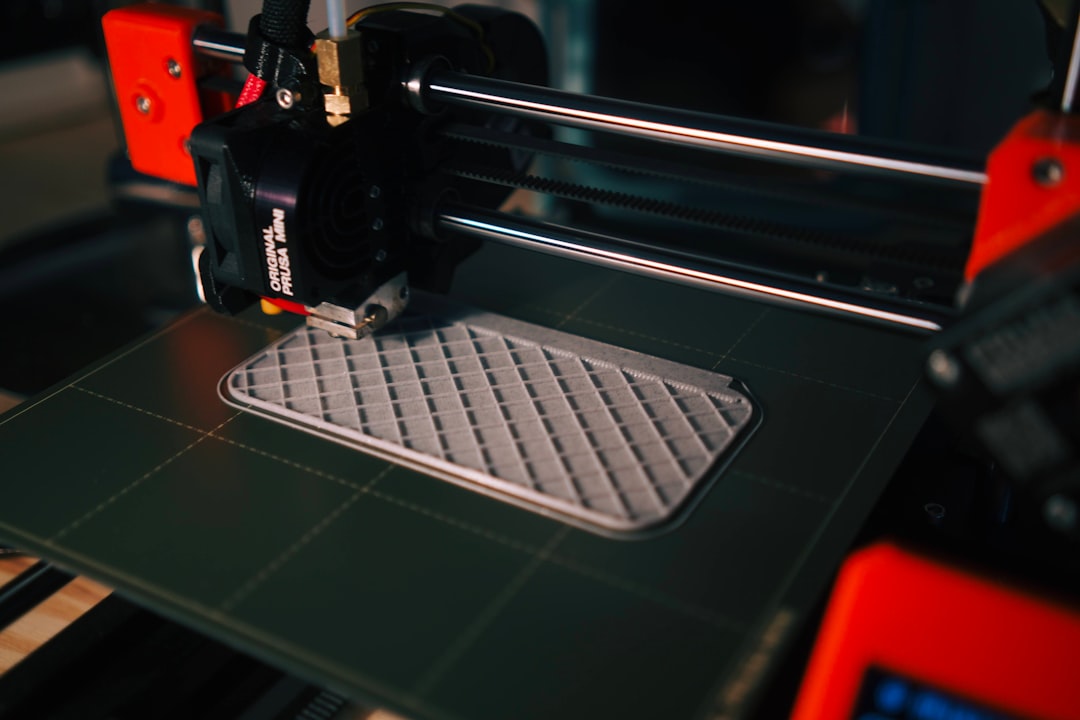
A 3D printed object does not always need to be completely solid. Most FDM parts use an internal infill structure. Lower infill can save material and time for decorative products, while functional parts may require more infill, stronger wall settings or a different print orientation.
Interestingly, increasing wall thickness can sometimes improve practical strength more effectively than simply making the entire object solid. Good print planning is therefore important for both performance and cost.
5. Supports and Model Geometry
Overhangs, bridges and complicated shapes may require support material. Supports consume additional filament or resin and also increase print time. They must then be removed after printing, sometimes followed by cleanup.
A design created specifically for 3D printing can often reduce supports. Small design changes, splitting a model into multiple pieces or changing orientation may make production more efficient.
6. 3D Design and File Preparation
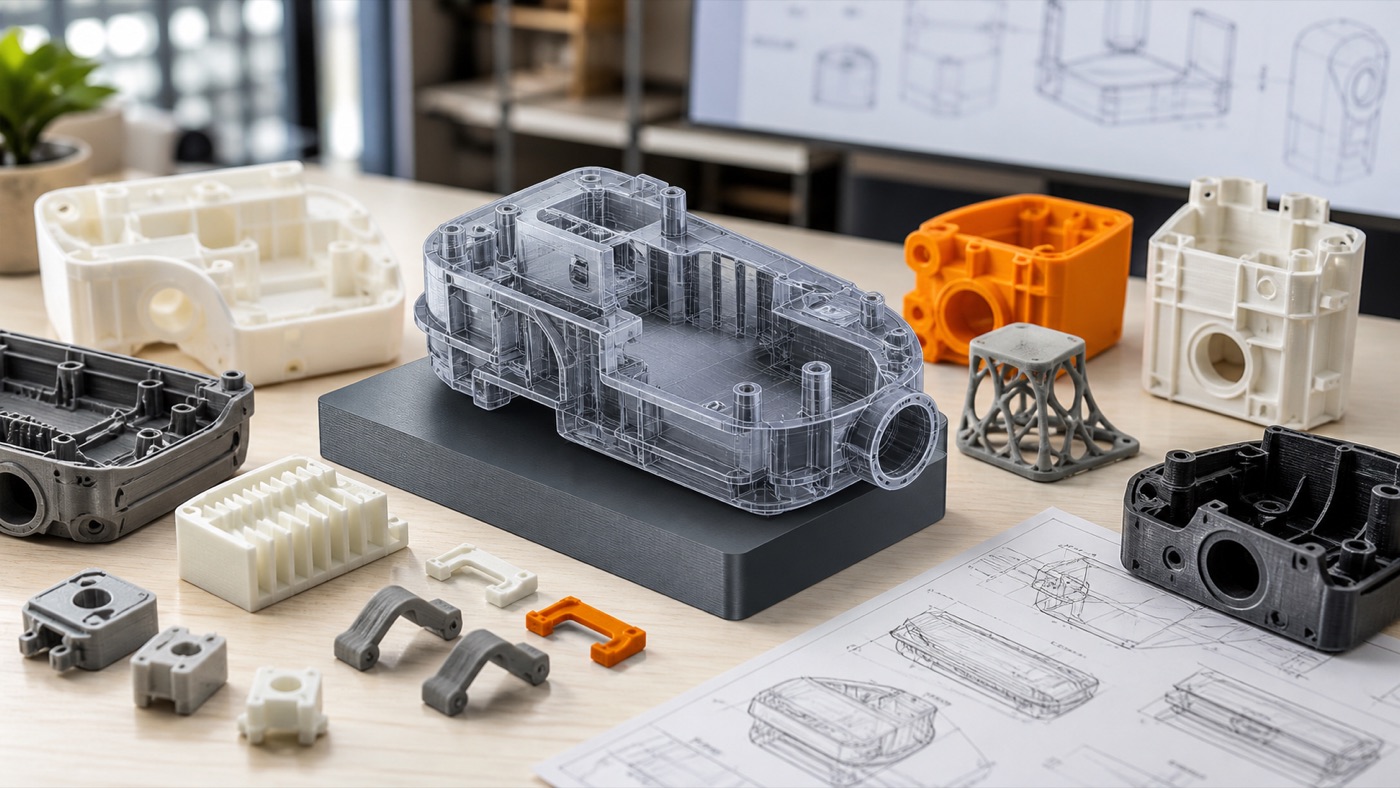
If you already have a clean, printable STL or STEP file, the process is usually simpler. If you only have an idea, sketch, measurement or physical component, 3D design work may be required before printing can begin.
Custom design is especially common for electronics enclosures, robotics parts, holders, replacement components and prototypes. Design cost depends on complexity and how much engineering or iteration is required.
7. Quantity
Printing one prototype and producing a batch of identical parts are different jobs. For multiple units, preparation work can be distributed across the batch and the print layout may be optimized. But each part still consumes machine time and material, so 3D printing does not behave exactly like injection molding where very large production volumes dramatically change unit economics.
8. Finishing and Assembly
A basic print directly from the machine is different from a finished presentation model. Support removal, sanding, assembly, inserts, bearings, magnets, painting or other post-processing can add labor. Tell your printing service what the final product needs to look like and how it will be used.
How Can You Reduce Your 3D Printing Cost?
Start by defining the real purpose of your part. Do you need maximum strength, a visual prototype, a fit-check model or a final-use component? Choosing the right material and settings prevents paying for features you do not need.
You can also reduce cost by simplifying unnecessary geometry, avoiding extreme infill, reducing supports, combining sensible batch quantities and providing a clean 3D file. For prototypes, it can be smart to print a smaller test section before committing to the complete model.
What Information Should You Send for a Quote?
For an accurate quotation, send your STL, STEP or OBJ file if available. Also include the required quantity, approximate dimensions, preferred material if known, color, intended use, strength requirements and deadline. If you do not have a file, send clear photos, sketches or measurements and explain what you want the product to do.
Get a 3D Printing Quote from Artin3D
At Artin3D, we work with custom FDM and SLA projects, prototypes and product development. Instead of guessing a price from only a photo, the best approach is to review the actual model and project requirements.
Send us your design, dimensions or idea and tell us what the part needs to achieve. We can then evaluate the project and recommend a suitable printing approach.
Artin3D – Where ideas take shape.