Choosing the best 3D printer filament in Bangladesh is not simply a matter of buying the cheapest spool or selecting the material with the highest strength number. Bangladesh has a hot, humid climate, imported filament quality can vary, and the right material depends heavily on how the finished part will actually be used. A decorative model, a drone component, an electronics enclosure and a flexible protective part all need different properties.
Why filament choice matters
The material controls much more than appearance. It influences stiffness, impact resistance, heat performance, flexibility, surface finish, print reliability and how long the part survives in real use. A material that prints beautifully indoors may deform inside a hot vehicle. A very strong rigid plastic may be the wrong choice for a clip that needs to bend repeatedly. For client work, the question should always be: what will this part experience after printing?
PLA: easiest for general-purpose printing
PLA is one of the most popular choices for prototypes, display pieces, educational models, architectural parts and products that will stay in normal indoor conditions. It prints cleanly, usually gives sharp detail and is available in many colors. It is an excellent option when visual quality, speed and predictable printing matter more than heat resistance.
PLA is not automatically the best material for every functional part. Bangladesh can become very hot, particularly inside cars, near windows or around machinery. PLA can soften earlier than engineering-oriented materials. For a desk organizer or concept prototype it may be perfect; for a bracket exposed to heat, another material can be safer.
PETG: a strong all-round choice
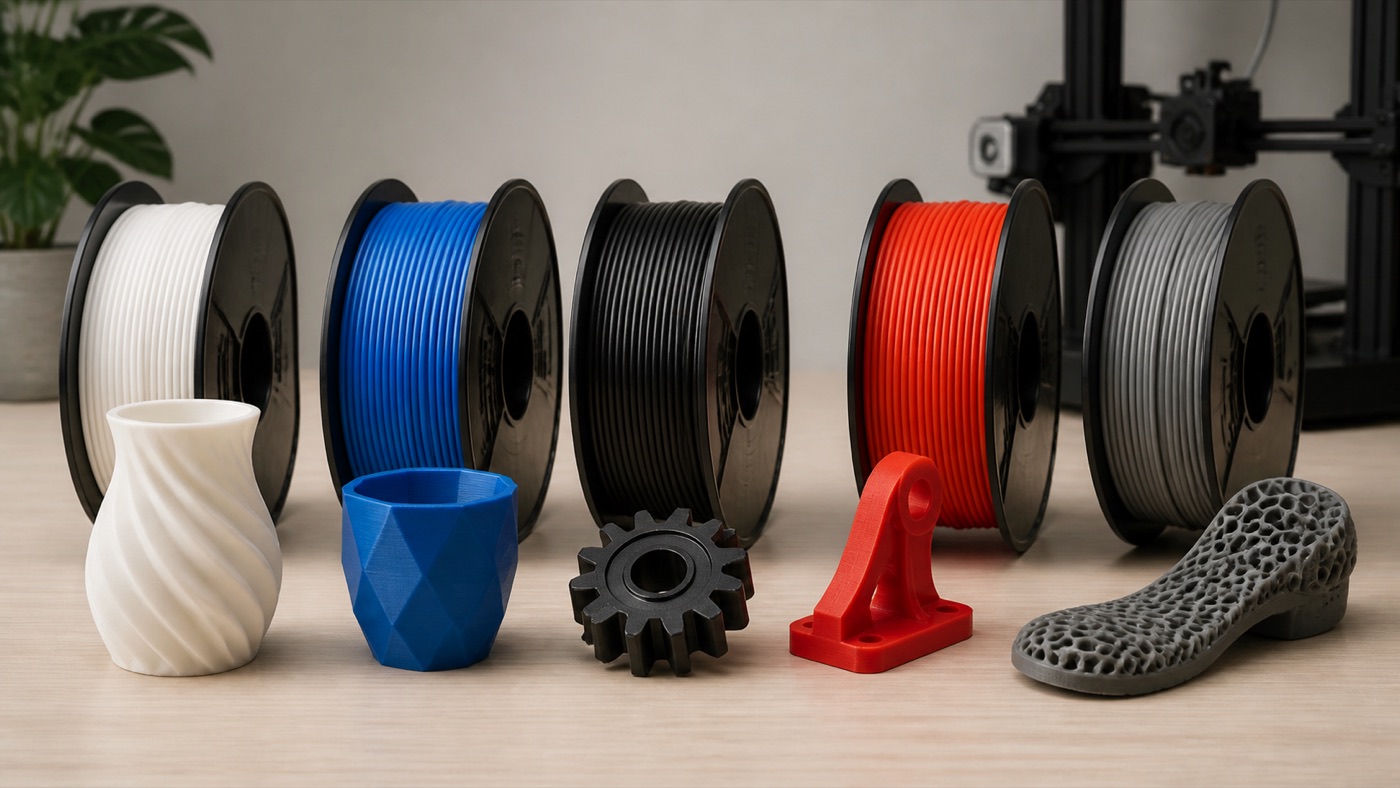
PETG is often a useful middle ground between easy printing and practical durability. It generally offers better temperature and impact performance than standard PLA while remaining suitable for many functional products. It is frequently considered for electronics enclosures, brackets, holders, machine accessories, robotics components and parts that need a little more toughness.
PETG can absorb moisture, so storage matters in Bangladesh. A spool left open in a humid room may eventually print with extra stringing, roughness or small bubbles. Sealed storage with desiccant and drying when necessary can make a noticeable difference.
ABS: useful when heat resistance matters
ABS has a long history in functional plastic products. It can provide good toughness and better heat resistance than PLA, and it can be post-processed effectively. The challenge is printing: ABS prefers a controlled environment and is more prone to warping on larger parts. Proper ventilation is also important.
ASA: a better candidate for outdoor applications
ASA shares many useful characteristics with ABS but is especially attractive when sunlight and weather exposure matter. For outdoor housings, mounts, signs or functional components, UV resistance can be an important advantage. That does not mean every outdoor product should automatically use ASA; geometry, load, wall thickness and expected temperature still matter.
TPU: when the part needs to flex
TPU is a flexible filament used for grips, bumpers, protective components, soft mounts, wearable parts and products that need controlled bending. Different TPU grades have different hardness, so a designer should not treat all flexible filament as identical. Flexible printing also requires slower, well-controlled extrusion compared with many rigid materials.
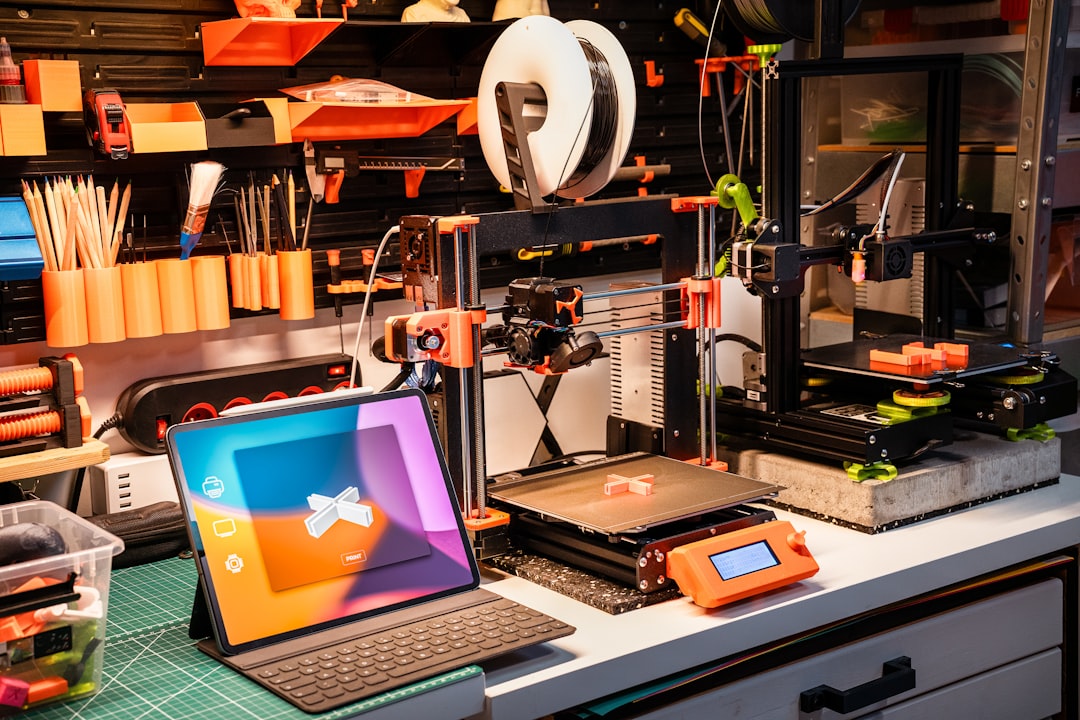
Which filament is best for your project?
For indoor visual prototypes, PLA is often a sensible starting point. For tougher functional parts, PETG may offer a useful balance. For higher-temperature applications, ABS or another engineering material may be appropriate. For outdoor exposure, ASA deserves consideration. For flexible parts, TPU is the obvious family to evaluate. The correct decision also depends on wall thickness, infill, print orientation and load direction, because material alone does not determine strength.
Filament storage in Bangladesh
Humidity is one of the most overlooked issues. Keep opened spools in sealed containers or bags with desiccant. If a previously clean material begins producing popping sounds, excessive stringing or a rough surface, moisture may be involved. Dry the material according to the manufacturer’s guidance rather than guessing at a very high temperature that could deform the spool.
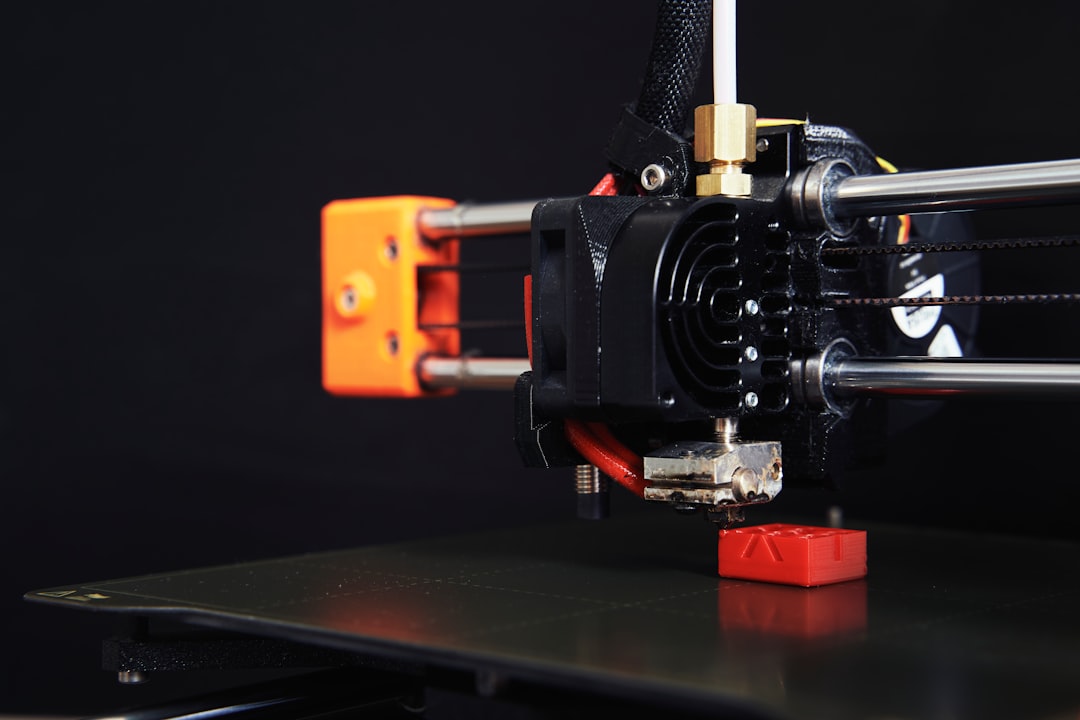
What to tell a 3D printing service
Instead of asking only for “strong plastic,” explain where the part will be used, whether it faces sunlight, heat, water, vibration, impact or repeated bending, and whether appearance or dimensional accuracy is more important. Also provide the required quantity and any mating components. This allows the printing team to recommend a material based on the actual job.
Final recommendation
There is no universal best 3D printer filament in Bangladesh. The best filament is the one that matches the environment, mechanical requirement, design and budget. Artin3D works with multiple FDM materials and can help clients choose a practical option for prototypes, enclosures, robotics parts, custom products and functional components. If you have a model, drawing, measurements or simply a product idea, share the use case before choosing the material. Artin3D – Where ideas take shape.