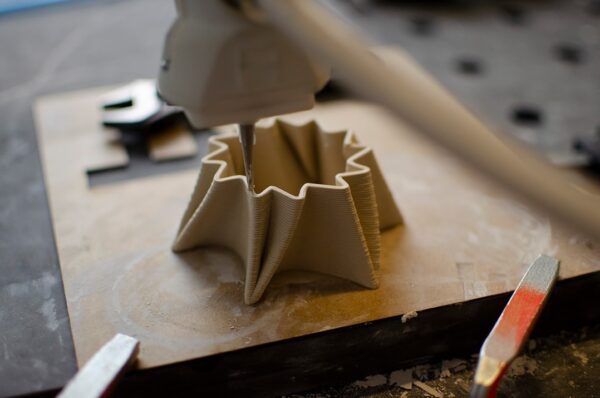
Robotics projects rarely work perfectly on the first build. A sensor sits at the wrong angle, a battery does not fit, a wheel rubs against the chassis or a new PCB changes the enclosure dimensions. This constant iteration is exactly why 3D printing and robotics work so well together. Instead of waiting for custom machining for every revision, teams can redesign a part digitally and produce another physical version quickly.
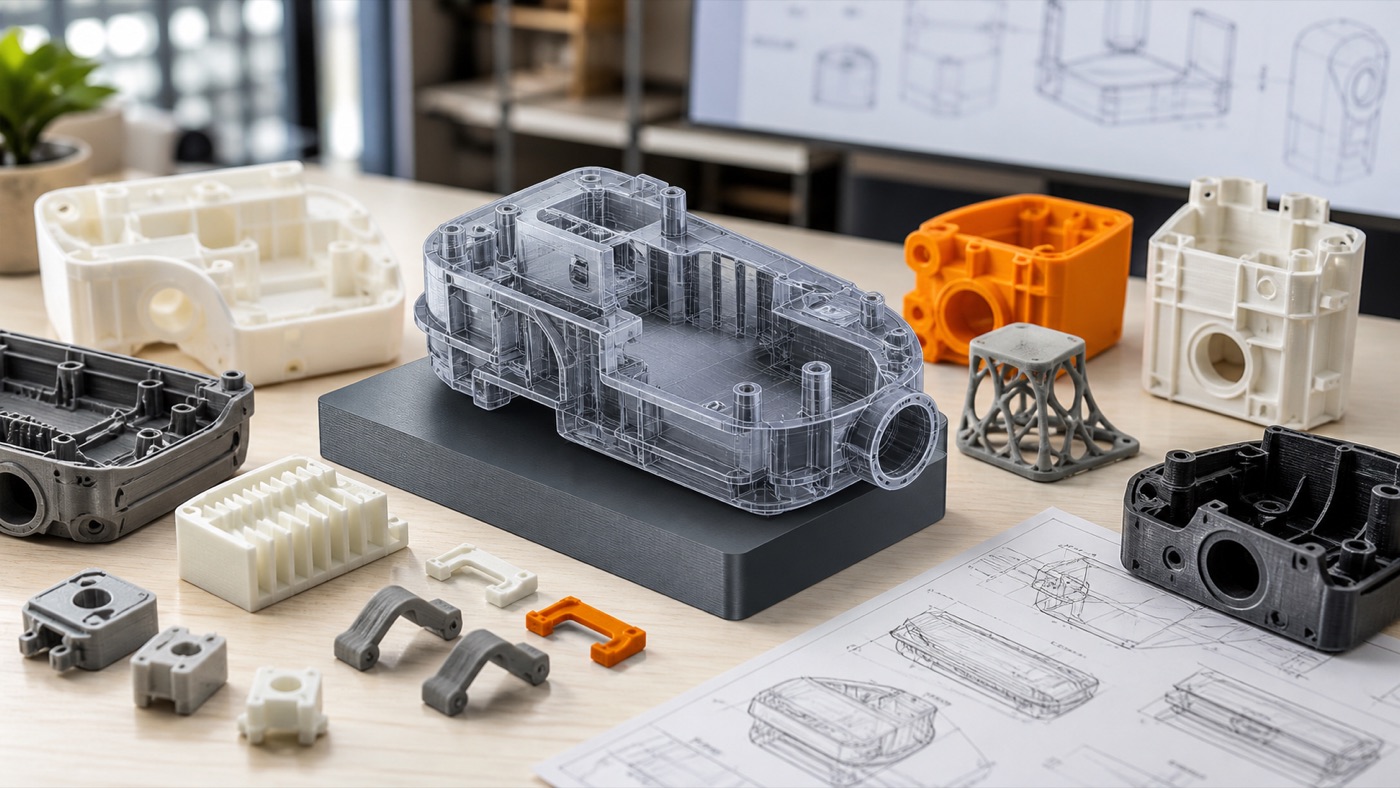
What robotics parts can be 3D printed?
Common examples include robot chassis panels, servo brackets, motor mounts, sensor holders, camera mounts, battery trays, wheel hubs, covers, grippers, spacers, cable guides, controller enclosures and custom interfaces between off-the-shelf components. Printing is especially useful when a part has unusual geometry or needs holes and mounting points positioned around existing electronics.
Start from the components
For a reliable design, measure the actual motor, PCB, sensor, bearing, switch or camera that will be installed. Datasheet dimensions are useful, but real components can include connector protrusions, solder joints and cable bends that CAD drawings do not show. When possible, design around the exact hardware.
Choosing material for robot parts
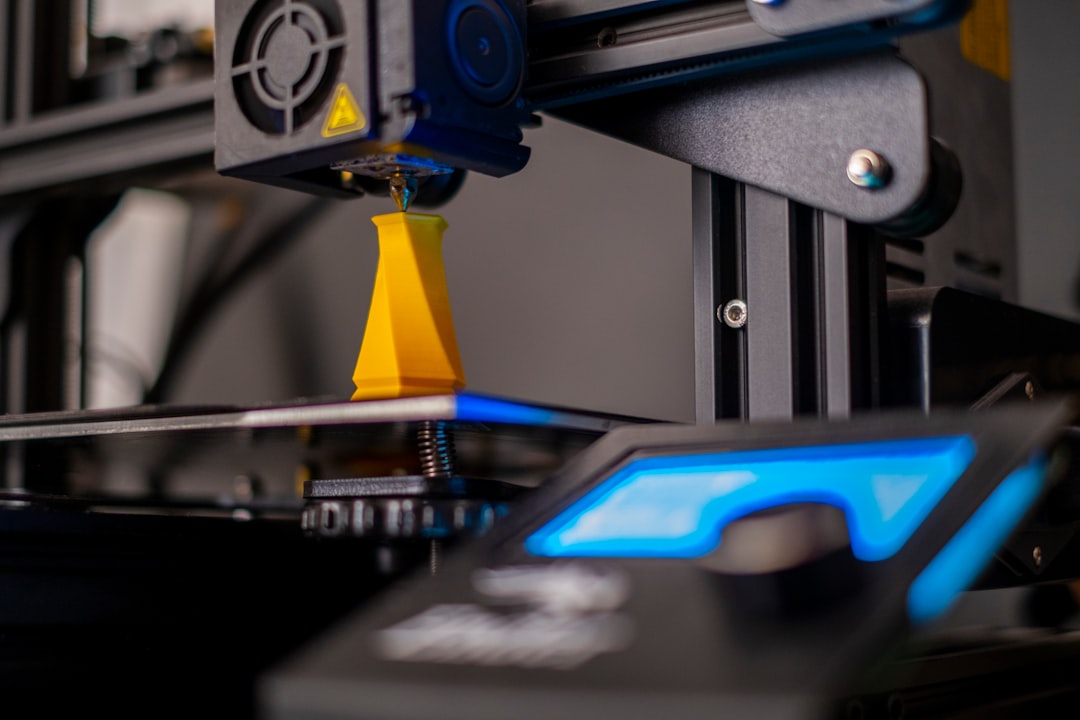
PLA is useful for early prototypes and indoor robots where heat and impact are limited. PETG is a common candidate for tougher functional brackets and enclosures. TPU can create tires, bumpers, flexible couplings or vibration-isolating components. Other engineering materials may be considered when temperature or mechanical requirements are higher.
Design for load direction
FDM parts are built in layers, so print orientation can affect mechanical behavior. A motor mount should be oriented so the expected load does not simply pull layers apart. Add fillets around stressed corners, use sufficient wall thickness and place screw holes with enough surrounding material. Increasing infill alone is not always the best way to strengthen a design.
Heat and electronics
Motors, voltage regulators and batteries can generate heat. Provide ventilation where needed and choose materials based on expected operating temperature. Avoid placing softening-prone plastic directly against hot components. The enclosure should also allow safe cable routing and access for maintenance.
Fast iteration is the real advantage
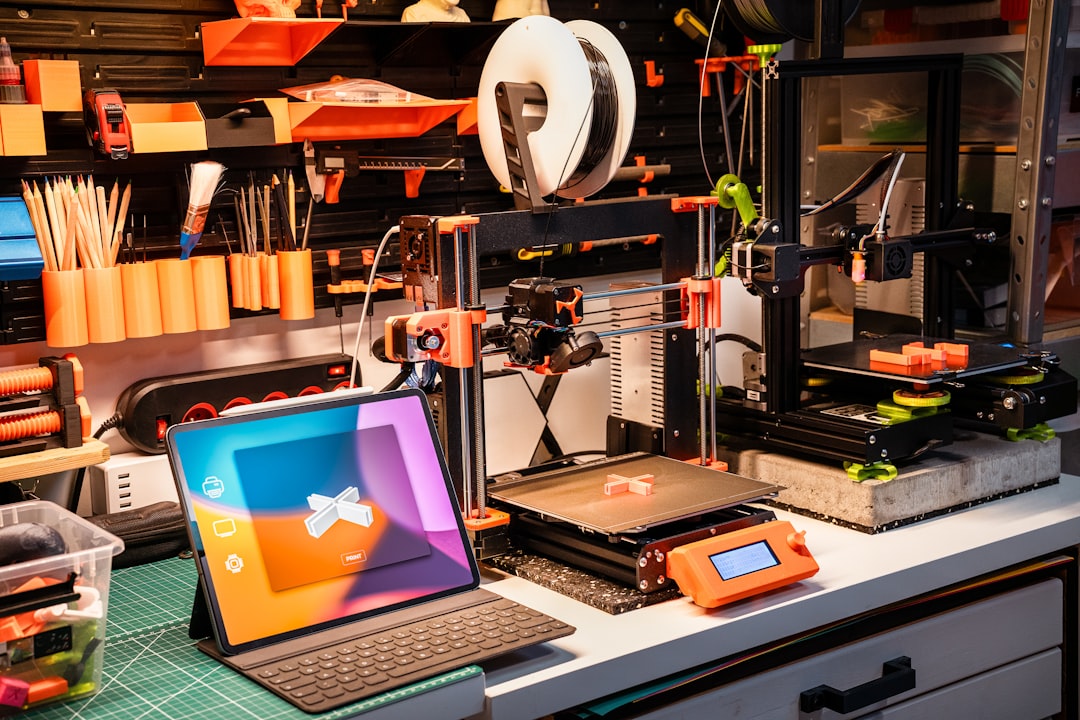
Imagine a line-following robot whose sensor array needs to move 6 mm lower. With a printable bracket, the CAD model can be changed and another version produced without redesigning the whole chassis. This encourages teams to test ideas instead of accepting the first workable arrangement.
Threads, screws and inserts
Robot parts often need repeated assembly. Self-tapping screws may work for prototypes, while heat-set inserts, captured nuts or through-bolts can provide more durable connections. Design the hole size for the selected fastening method and test it before producing many parts.
Bearings and moving parts
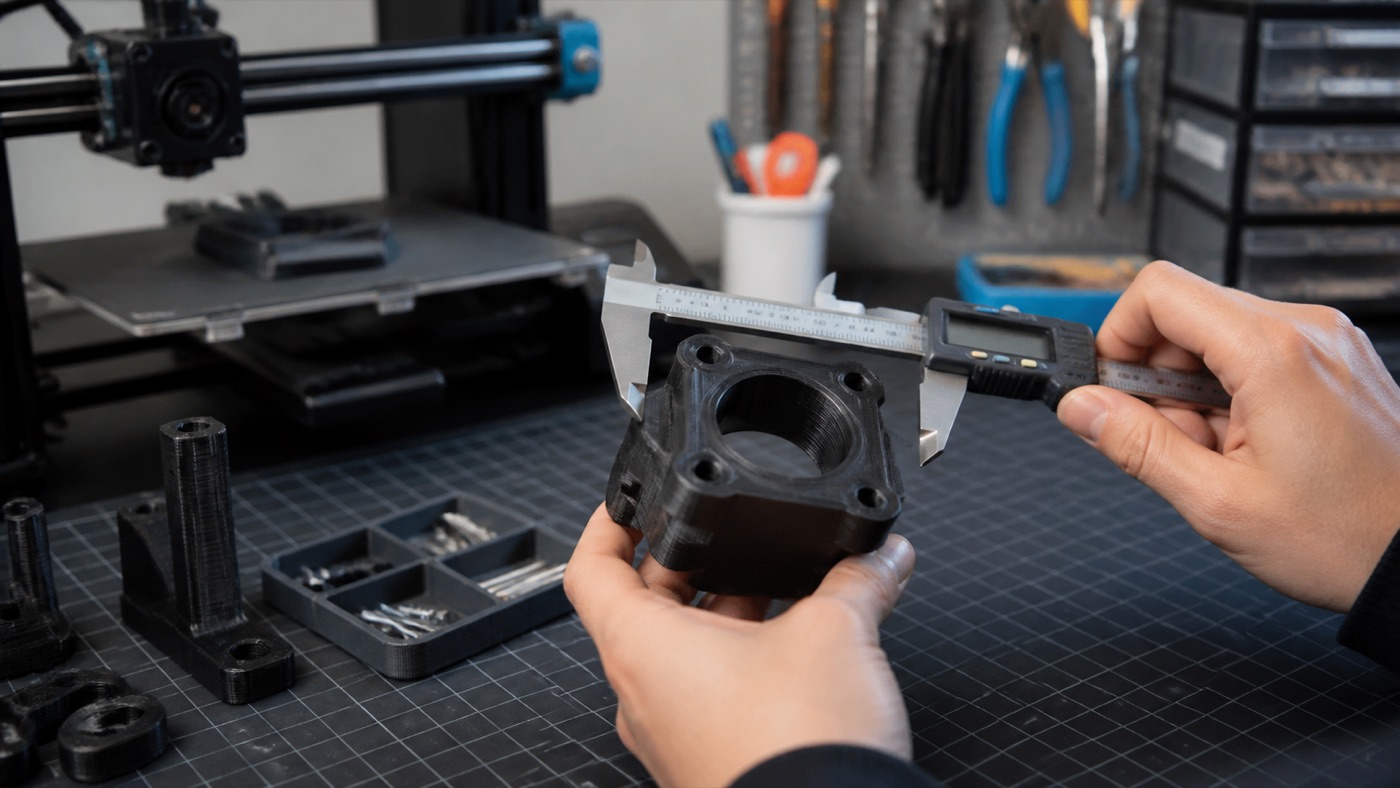
Printed housings can hold bearings, shafts and bushings, but tolerances matter. A CAD hole with exactly the same diameter as a bearing may not produce the intended fit. Printer calibration, material shrinkage and orientation influence dimensions. Prototype the fit with a small test coupon before printing a large chassis.
Student robotics projects
University and school teams can use printing for competitions, capstone projects and research prototypes. The best workflow is to freeze the electronics layout early enough to design the mechanical parts, then print critical interfaces first. Do not wait until the final presentation to discover that the battery cannot be removed or the USB port is blocked.
Small production runs
If a robotics product moves beyond a single prototype, 3D printing can also support pilot batches. Several units can be produced while the team collects feedback and decides whether injection molding or another process is justified. Design changes remain relatively inexpensive during this stage.
What to send for a robotics printing job
Provide the 3D files and, when relevant, dimensions or photos of the components the printed part must fit. Explain the load, operating environment and whether the part is a prototype or final-use component. Mention screw sizes, bearings and shafts. Artin3D can print supplied designs or work from client components and requirements for suitable custom projects.
Conclusion
3D printing is valuable in robotics because it makes mechanical iteration accessible. It allows students, engineers and startups in Bangladesh to test custom geometry around real electronics without committing immediately to expensive tooling. Design carefully, test interfaces early and improve each version based on physical results. Artin3D – Where ideas take shape.