“How long will this take to print?” is one of the most common questions in 3D printing. The answer can range from minutes to multiple days because a printer does not price or schedule a model by visual size alone. Layer height, walls, infill, support, speed, material, orientation and quantity all affect machine time. Understanding these factors helps clients plan realistic deadlines.
Why a 3D print can take hours
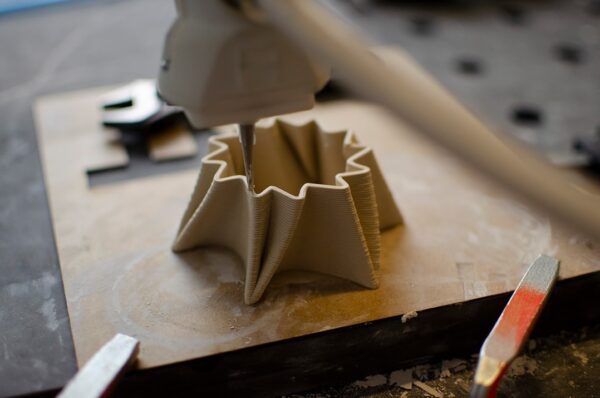
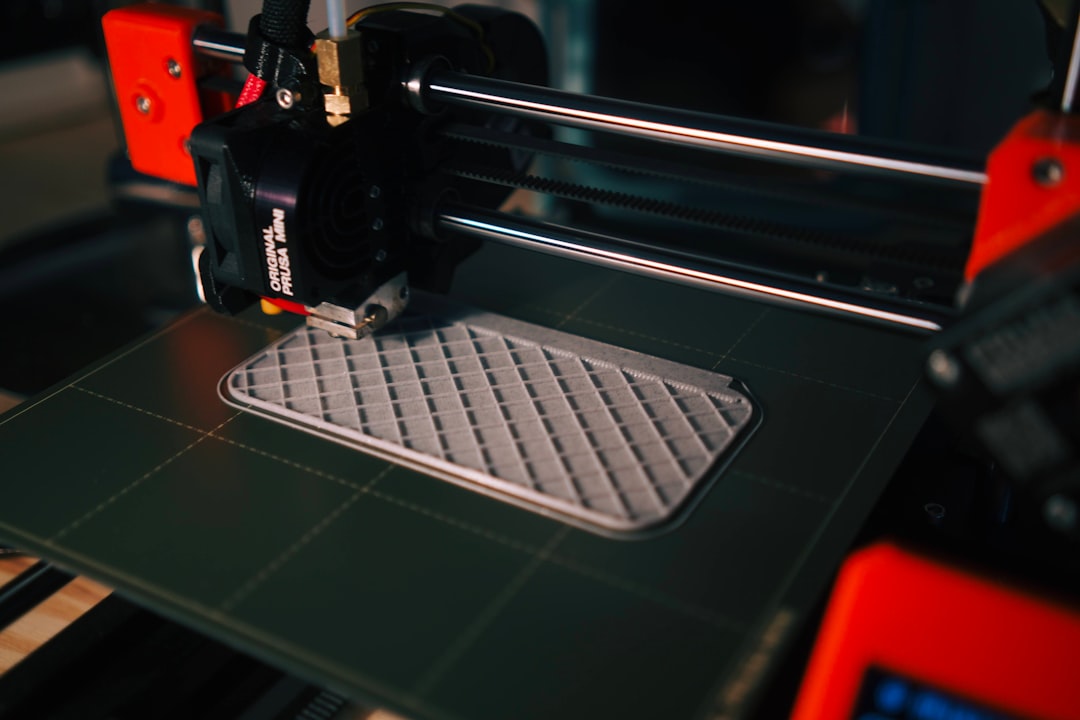
FDM printers build objects by tracing many paths for every layer. A 150 mm tall object printed at 0.2 mm layer height may require hundreds of layers. Each layer can contain outer walls, inner walls, infill, top surfaces and support structures. The printer must physically travel through all of those paths.
Layer height
Smaller layers generally increase the number of layers and can improve visible detail on certain geometry, but they also increase print time. A draft prototype may not need a very fine layer height. Choosing resolution based on purpose can save hours.
Object size and geometry
Tall models require more layers. Wide models require longer paths per layer. Complex shapes can create many short movements and slowdowns. Two objects with the same bounding-box dimensions can therefore have very different print times.
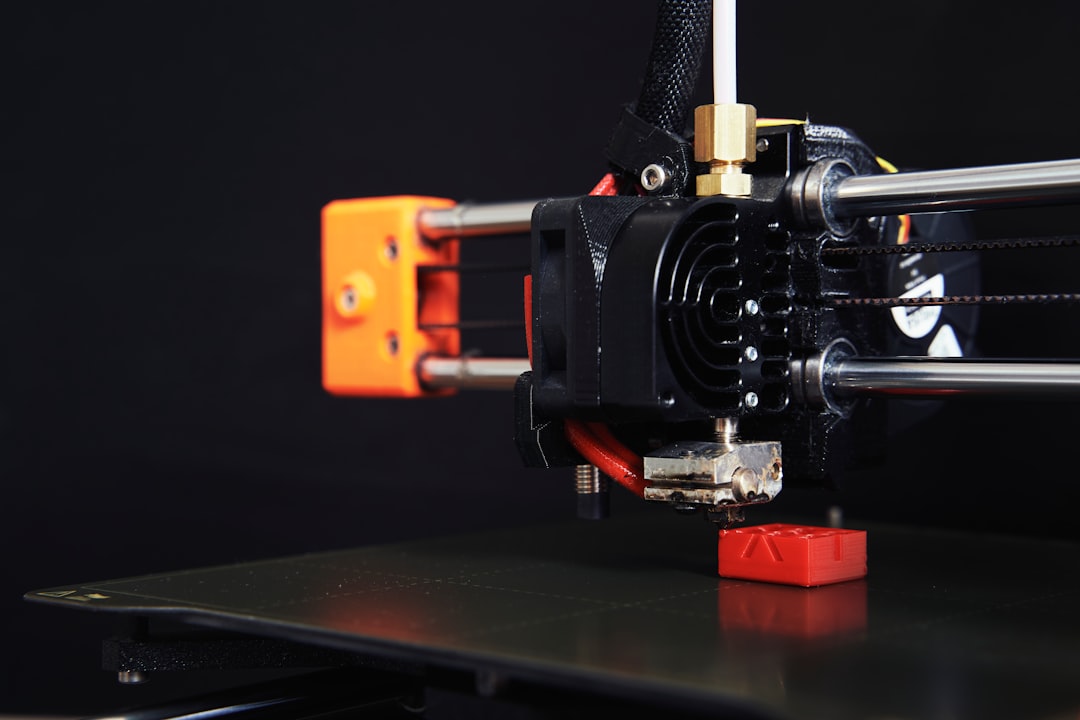
Walls and infill
More walls and denser infill add extrusion paths. For a visual model, low infill may be sufficient. A loaded functional part may need a different strategy. Strength should be designed intelligently rather than simply increasing infill to 100 percent.
Supports
Overhangs can require support structures that take additional time and material. Supports also create post-processing work. Changing orientation or redesigning an overhang can sometimes reduce both printing and cleanup time.
Material and printer profile
Different materials have different practical speeds and cooling requirements. TPU often prints more slowly than rigid filament. High-quality profiles may deliberately slow outer walls to improve appearance. The fastest theoretical machine speed is not the same as a reliable production speed.
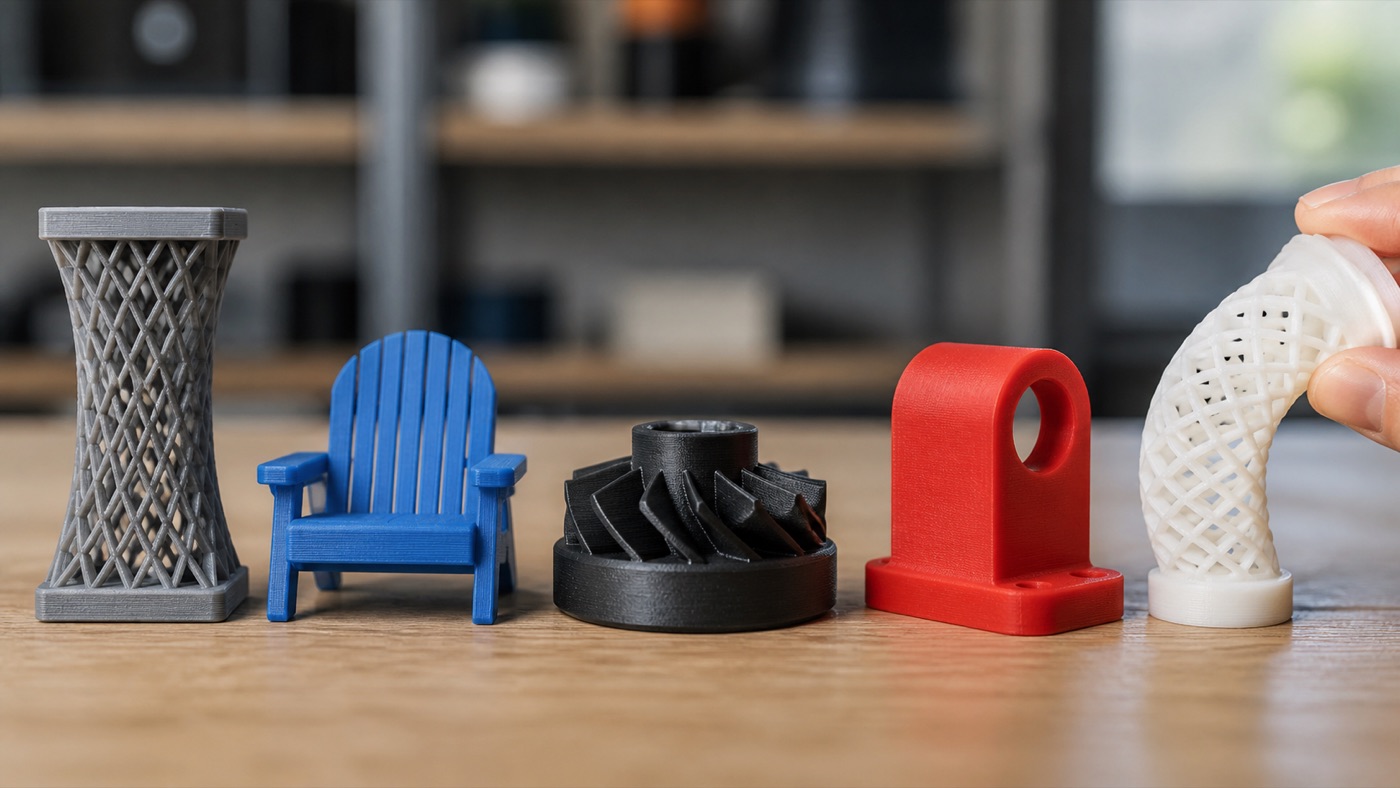
SLA/resin print time
Resin printers cure layers differently from FDM, so time behaves differently. Part height and exposure strategy can be major factors, while several small objects may sometimes share the build area efficiently. Washing, curing and support removal must also be included in the delivery schedule.
Printing time is not delivery time
A job may wait in a production queue. The file may need repair or slicing. After printing, the part needs inspection and possibly support removal, sanding, curing, assembly or packaging. Courier time is separate again. When discussing a deadline, ask for the expected completion or delivery date rather than only raw machine hours.
Quantity changes scheduling
Ten pieces do not always mean exactly ten times the calendar time because multiple printers may run in parallel, but total machine capacity still matters. Large orders should be scheduled in advance, particularly around university submission periods or commercial deadlines.
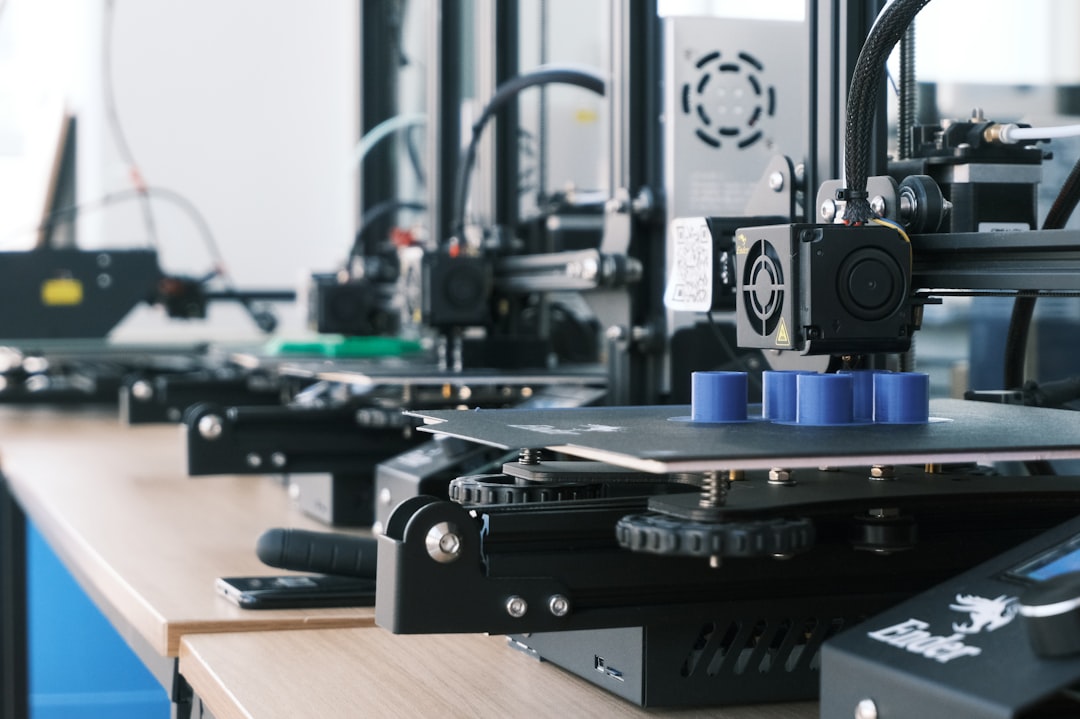
Can you make a print faster?
Often yes, within limits. Increase layer height for draft parts, reduce unnecessary infill, optimize orientation, remove unneeded detail and split a model across machines when practical. But pushing speed too far can reduce surface quality or reliability. The best optimization is usually design-based rather than simply moving the machine faster.
Planning an urgent project
Send the file as early as possible. Clearly state quantity and hard deadline. If only certain dimensions or surfaces need high quality, mention that. A printing service may suggest a faster configuration or divide the project into priority components.
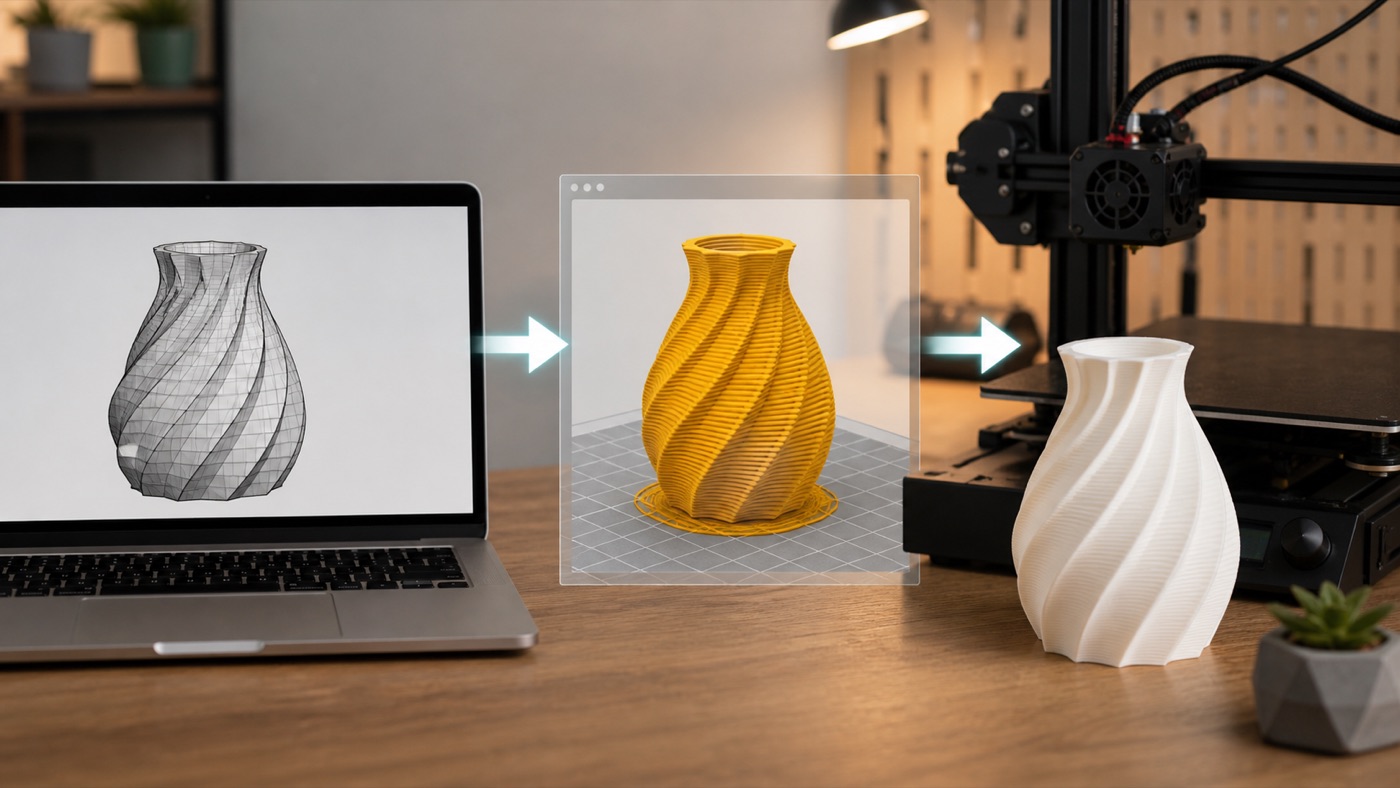
How Artin3D estimates time
A slicer can estimate machine time after the model, orientation and settings are known. The production team then considers queue, material availability, post-processing and quantity. This is why sending the actual file produces a more useful estimate than asking how long a “medium-size” object takes.
Conclusion
3D printing time is determined by the toolpath, not just the object’s height or weight. For a reliable deadline in Bangladesh, provide the file, quantity, material requirement and finishing needs. Artin3D can review the project and give a production estimate based on the actual geometry. Artin3D – Where ideas take shape.