Heat is one of the easiest ways to choose the wrong 3D printing material. A part may look perfect after printing and still deform when installed near electronics, machinery, sunlight or a hot vehicle interior. For Bangladesh, where ambient temperatures and direct sun can be demanding, temperature performance should be considered early in functional product design.
What does heat resistant mean?
Materials do not have one magical temperature where they suddenly fail. Stiffness changes gradually with heat, and a loaded part may deform earlier than an unloaded sample. Published glass-transition or heat-deflection values are useful references, but the exact printed grade, geometry and load determine real performance.
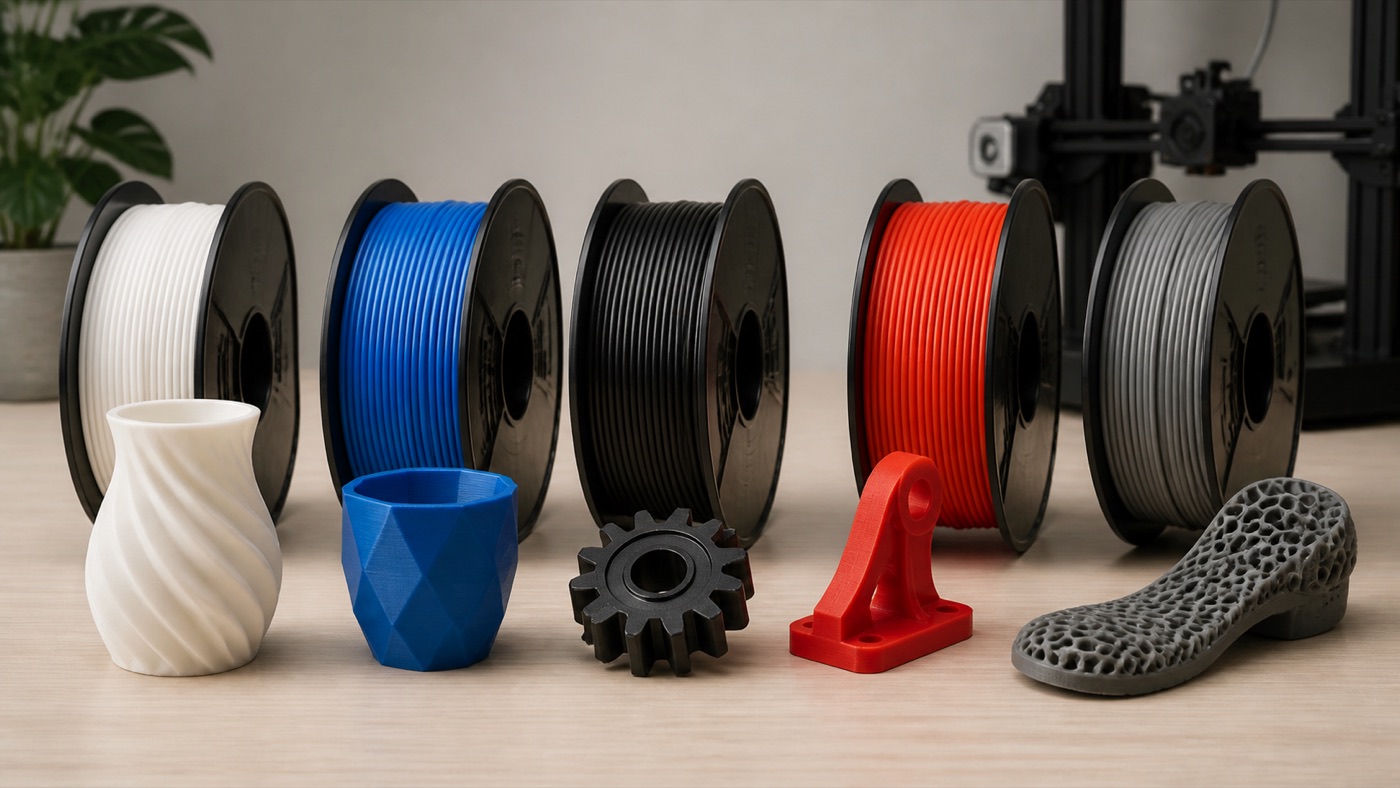
PETG
PETG is a popular functional material because it is generally easier to print than ABS while providing better heat performance than standard PLA. It is a useful candidate for indoor enclosures, brackets and products that may experience moderately elevated temperatures. It is not automatically suitable for every hot environment.
ABS
ABS offers useful temperature resistance and toughness, which is why it has a long history in manufactured products. Printing it successfully usually requires better thermal control than PLA or PETG. Large ABS parts can warp if the printing environment changes temperature too quickly.
ASA
ASA is often compared with ABS but adds an important advantage for outdoor applications: better resistance to UV exposure. For enclosures, mounts and products that spend time in sunlight, this can make ASA attractive. It still requires appropriate printing conditions.
Nylon
Nylon is a family of materials rather than one single formulation. Some grades provide useful heat, toughness and wear performance. Moisture management is important, and filled nylons may have very different properties from unfilled versions. Always evaluate the exact manufacturer’s data.
Why PLA is often excluded from high-heat use
PLA is excellent for many indoor prints, but it can soften at temperatures that occur in hot enclosed spaces. A PLA prototype may therefore prove geometry but not represent final material behavior. If the application will face heat, prototype the final design in a more relevant material before deployment.
Load and heat work together
A warm part supporting a constant weight can creep or slowly deform. Screw bosses can loosen, brackets can sag and snap fits can change behavior. When evaluating heat resistance, specify whether the component is loaded and for how long.
Outdoor sunlight
Sunlight adds both heat and UV exposure. A dark-colored enclosure in direct sun can become much hotter than the surrounding air. ASA may be a better candidate than materials with poor UV stability, but the design should still allow for thermal expansion and realistic surface temperature.
Electronics enclosures
Heat-resistant material does not eliminate the need for thermal design. Provide ventilation, separate hot components and use heatsinks or fans where appropriate. Do not trap heat simply because the enclosure plastic has a higher temperature rating.
Printing quality affects performance
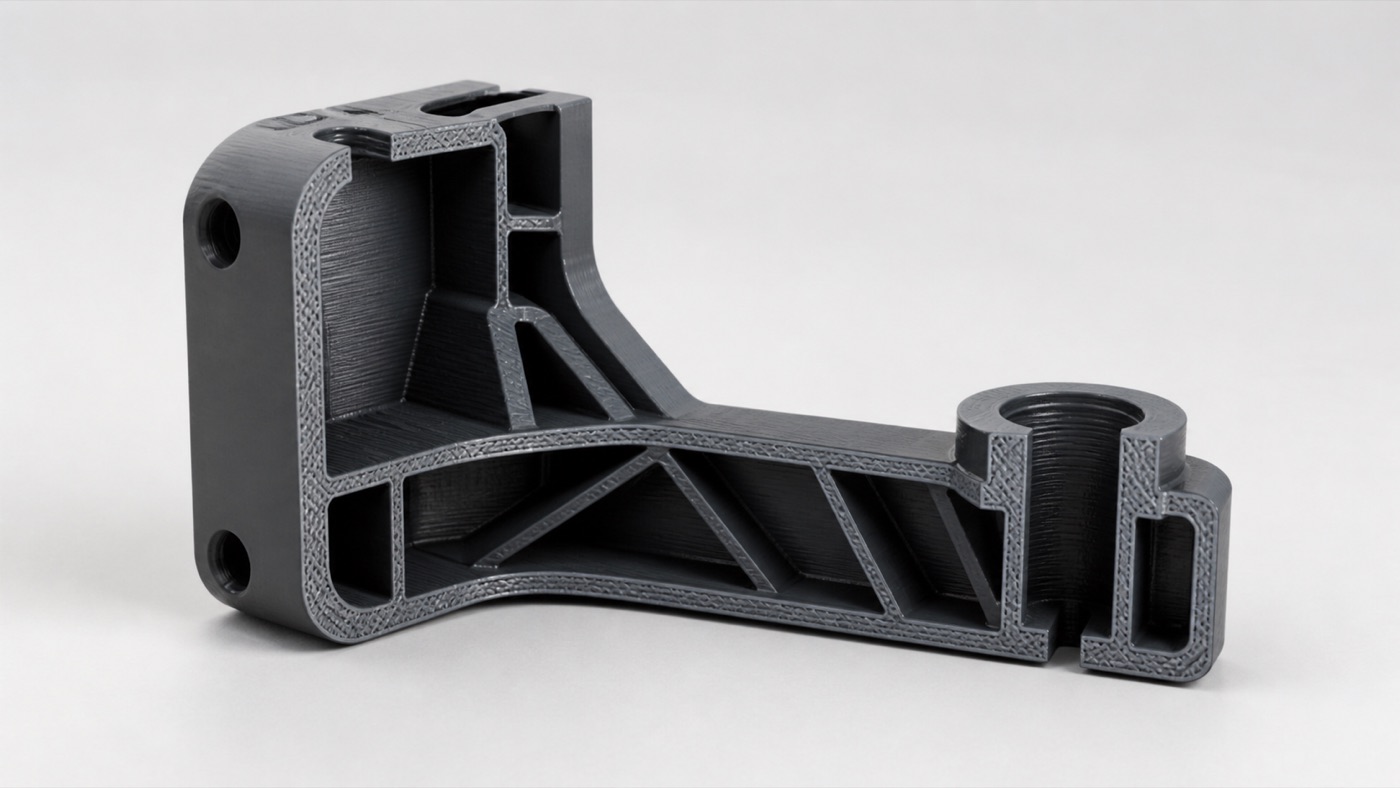
Poor layer bonding, wet filament or under-extrusion can weaken a part before heat is introduced. Dry moisture-sensitive materials and use suitable extrusion temperatures. For demanding components, consistency is more important than chasing maximum print speed.
How to choose
For moderate functional use, PETG may provide a practical balance. For higher temperature and toughness, ABS can be considered. For outdoor UV exposure, ASA is attractive. For demanding engineering applications, an appropriate nylon grade may be worth evaluating. The exact selection should follow measured service conditions.
Ask these questions before printing
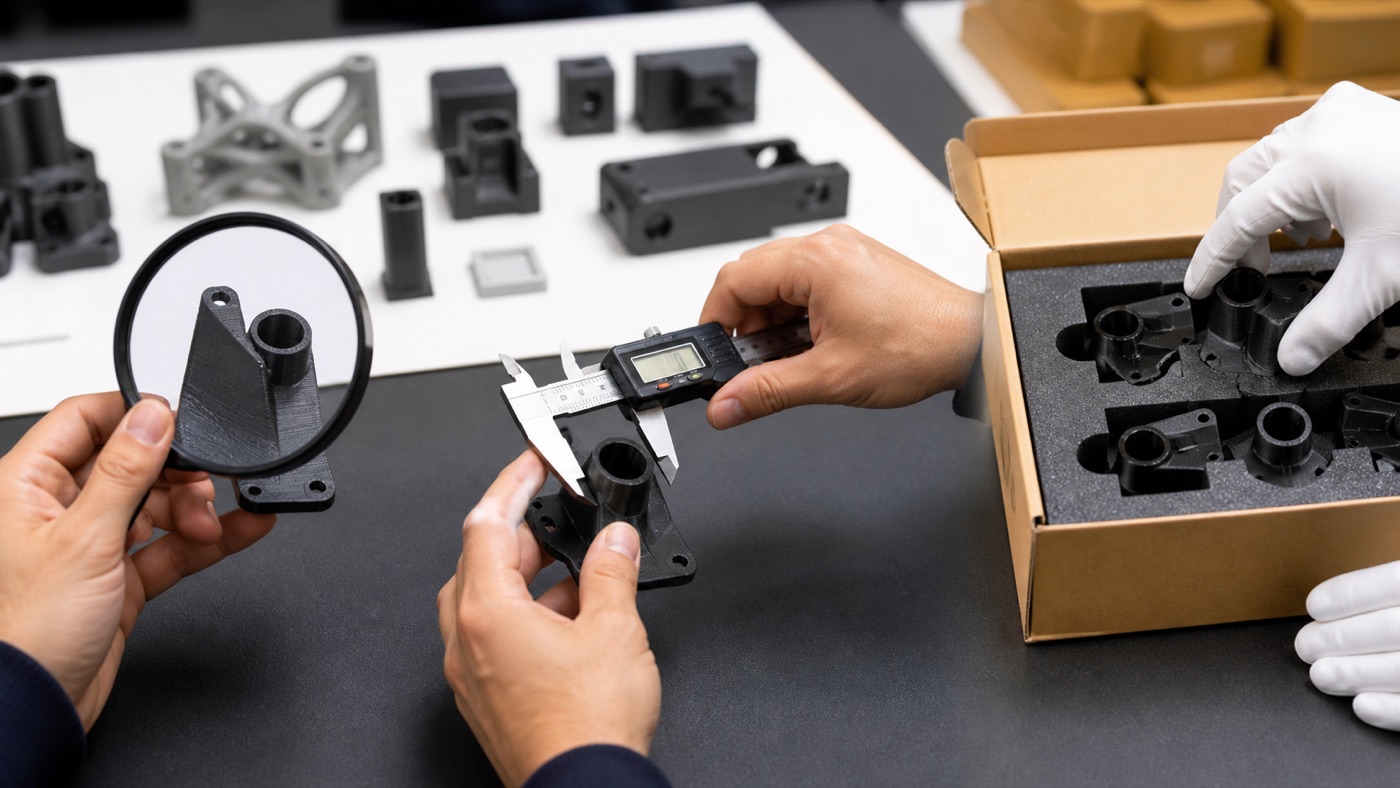
What is the highest expected temperature? Is the part under continuous load? Will it sit in direct sunlight? Does it need chemical resistance? Is dimensional stability critical? How long must it last? These answers are more useful than asking for a generic “heat-proof” filament.
Conclusion
No common 3D printed plastic is universally heat-proof. PETG, ABS, ASA and nylon each offer different tradeoffs in printability, heat, toughness and environmental resistance. Artin3D can discuss material options based on your actual application and produce functional prototypes for testing before larger production. Artin3D – Where ideas take shape.