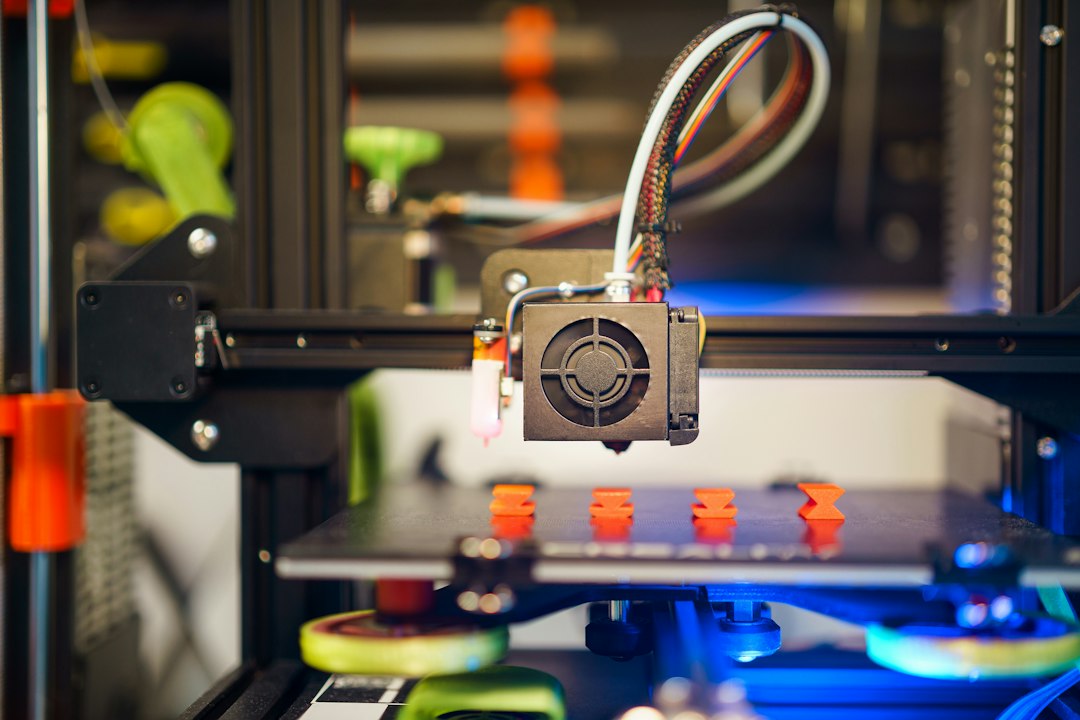
The 0.4 mm nozzle is the familiar default on many FDM printers, but a 0.6 mm nozzle can be an excellent production tool for larger and functional parts. The choice changes line width, practical layer heights, feature resolution and how quickly material can be deposited.

What nozzle diameter changes
Nozzle diameter primarily influences the width of extruded roads and the range of practical layer heights. A larger nozzle can deposit a larger cross-section of plastic per pass, provided the hotend can melt material quickly enough.
Why 0.4 mm is popular
- Good balance of detail and speed
- Excellent slicer-profile support
- Suitable for many everyday parts
- Can reproduce smaller features than a larger nozzle
- Works well for functional and visual models
Why choose 0.6 mm?
- Wider lines can reduce perimeter count
- Higher layer heights can reduce layer count
- Useful for large functional parts
- Can create robust walls efficiently
- Good when tiny details are not important

Speed comparison
A 0.6 mm nozzle can shorten production time when the slicer uses wider lines and thicker layers, but the hotend’s volumetric-flow capacity becomes important. If the machine cannot melt plastic fast enough, simply installing a larger nozzle will not produce unlimited speed.
Strength comparison
Wider extrusion lines can create strong, substantial walls. However, overall strength still depends on material, temperature, layer bonding, orientation and geometry. A 0.6 mm nozzle is not automatically stronger in every test.
Detail comparison
A 0.4 mm nozzle has an advantage when small text, narrow walls or fine features matter. A 0.6 mm nozzle may merge or omit geometry that is narrower than its practical extrusion strategy.
Layer height
A larger nozzle generally supports larger practical layer heights. This is one reason it can print large models quickly. Use validated slicer profiles rather than choosing extreme layer heights without testing.

Best nozzle for miniatures
Between these two choices, 0.4 mm is generally better for small detailed FDM models. For extremely fine detail, an even smaller nozzle or resin process may be considered, with corresponding speed trade-offs.
Best nozzle for enclosures
Both can work. A 0.4 mm nozzle is flexible for connector details and small bosses. A 0.6 mm nozzle can be efficient for large simple housings when the design accommodates wider lines.
Best nozzle for large prototypes
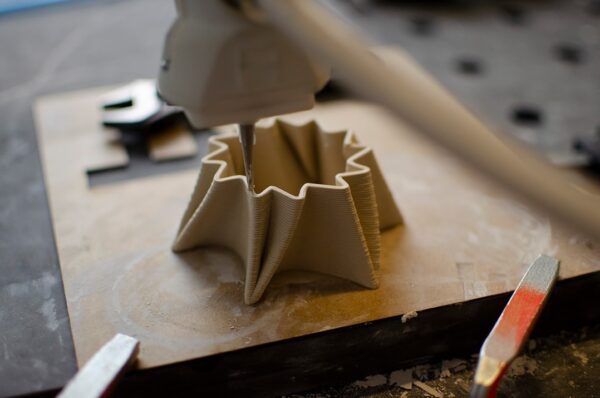
A 0.6 mm nozzle is attractive for large architectural forms, fixtures and functional prototypes because reducing the number of lines and layers can save significant time.
Wall thickness planning
Design wall thickness with expected line width in mind. Slicers can vary line width, but intentional geometry produces more predictable results. A 0.6 mm nozzle is especially effective when walls are designed to use its wider extrusion efficiently.
Infill speed
Large nozzles can lay down thicker, wider infill roads. On a model dominated by infill, the actual time saving depends on acceleration, volumetric flow and the chosen pattern.

Filament type
A larger nozzle can be useful with some filled filaments because the larger opening may reduce clogging risk, although abrasive materials may require a hardened nozzle. Always follow material and printer recommendations.
Volumetric flow is the hidden limit
Speed is not only movement speed. The hotend must melt a certain cubic volume of plastic each second. A wider line multiplied by a thick layer and high travel speed can exceed that capacity and cause under-extrusion.
Changing nozzle requires recalibration
After changing diameter, use the correct slicer profile and verify first-layer behavior, flow, temperature and pressure-related settings where applicable. Do not simply change the physical nozzle and keep every old setting.
When to keep 0.4 mm
- Mixed general-purpose work
- Small mechanical features
- Detailed consumer products
- Models with fine text
- When validated profiles already meet production needs
When to use 0.6 mm
- Large parts
- Fixtures and jigs
- Strong thick-walled components
- Fast prototypes
- Models where fine detail is secondary

Cost implications
If a 0.6 mm setup reduces machine time without harming required quality, it can make large-part production more efficient. Material use may not fall dramatically, but machine occupancy can.
Quality is application-specific
A 0.6 mm part is not lower quality merely because the lines are larger. For a fixture, quality may mean dimensional accuracy and strength. For a miniature, quality may mean fine visible detail. Choose the nozzle according to the definition that matters for the project.
Conclusion
Choose 0.4 mm for versatility and finer features; choose 0.6 mm when you want wider extrusion, thicker practical layers and efficient production of suitable larger parts. Neither nozzle is universally better. Artin3D selects printing parameters according to model geometry, material and the client’s required function and finish. Artin3D – Where ideas take shape.