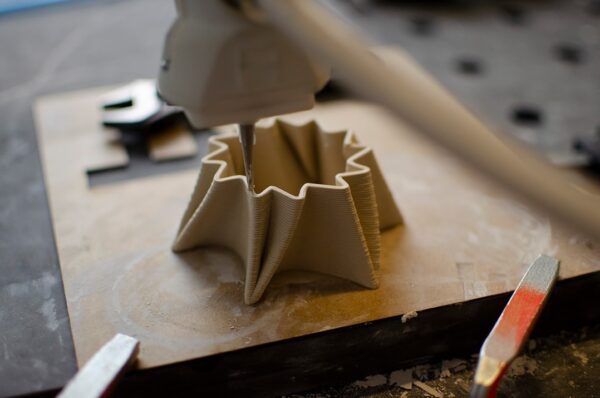

Layer height is one of the main settings that affects resin print detail and print time. Smaller layers can improve vertical resolution and reduce visible stepping, but they increase the number of exposures required.
25 microns
25-micron layers are useful for highly detailed miniatures, jewelry-style surfaces and models where subtle curves matter. Print time increases significantly.
50 microns
50 microns is a practical general-purpose setting for many resin prints. It provides excellent detail while keeping production time reasonable.
100 microns
100-micron layers are faster and can be suitable for larger prototypes or parts where extreme detail is unnecessary.
Does smaller always look better?
Not necessarily. XY pixel size, resin quality, exposure, anti-aliasing, model orientation and the original mesh also influence final detail.
Strength and reliability
Layer height can affect exposure needs and print reliability. Use a calibrated profile rather than simply changing layer height without adjusting related settings.
Which should you choose?
- 25 micron: maximum fine detail.
- 50 micron: balanced quality and time.
- 100 micron: faster functional or large-format printing.
Artin3D selects layer height based on the model’s real visual and functional needs so clients do not pay in time for resolution they cannot see. Artin3D – Where ideas take shape.