A startup can spend months discussing a product that has never been held, assembled or tested. The CAD model looks perfect, the presentation is impressive and the idea sounds convincing—but the first physical version often reveals problems nobody noticed on the screen.
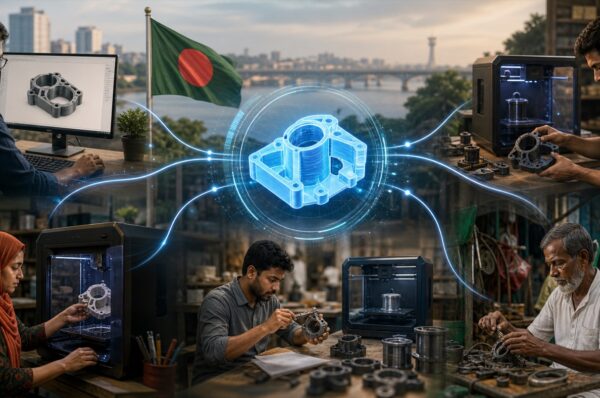
That is why rapid prototyping in Bangladesh can be valuable for startups and product teams. Instead of waiting until a design is “finished,” you create an early physical version, learn from it and improve the product while changes are still relatively easy.
What Is Rapid Prototyping?
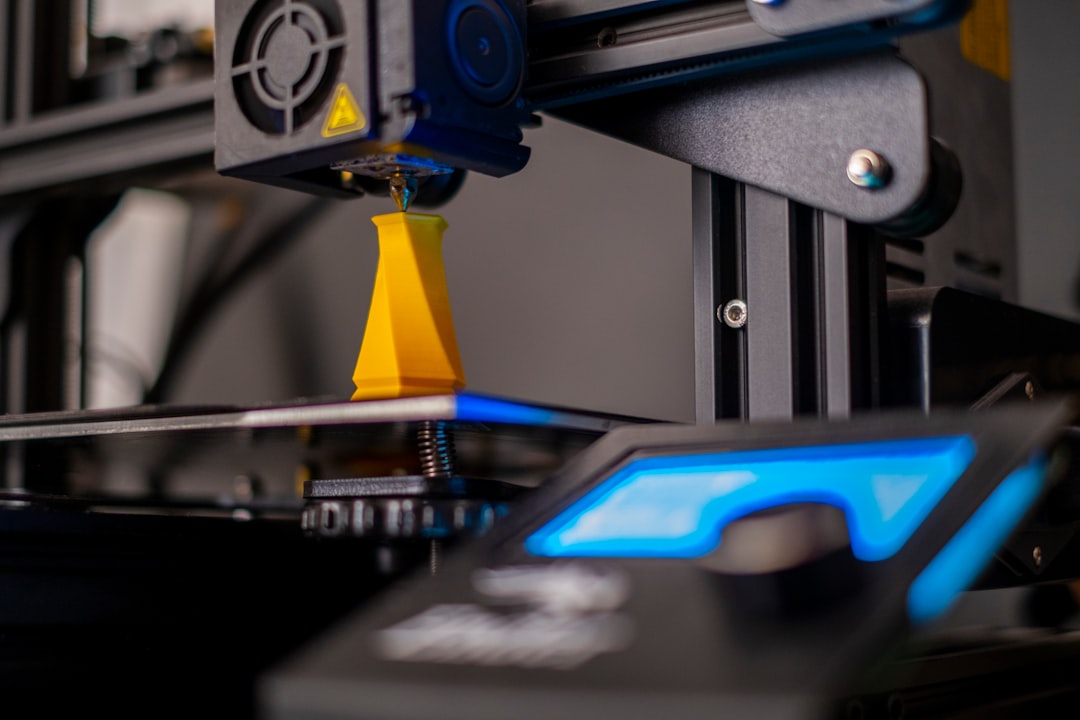
Rapid prototyping is a development approach where physical models are produced quickly so a team can evaluate design decisions. 3D printing is one of the most useful tools in this process because it can manufacture complex one-off shapes directly from a digital file.
The goal is not always to create the final sellable product. A prototype may exist only to answer one question: Does the PCB fit? Is the handle comfortable? Can the camera see through the opening? Does the assembly method work?
Why Startups Should Prototype Early
Early prototypes expose assumptions. A product may look compact in CAD but feel oversized in a hand. A connector may technically fit but be impossible to plug in because a wall blocks access. A lid may close but leave no room for wires.
Finding these issues before expensive tooling or larger production is extremely valuable.
Prototype 1: The Appearance Model
The first prototype can be simple. Its purpose may be to evaluate overall shape, size and visual direction. It does not need every internal detail or final material.
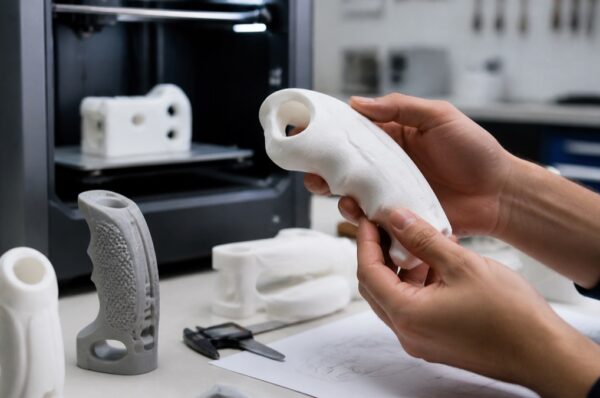
This type of model is useful for team discussions, investor presentations and customer feedback. People react differently when they can hold a concept instead of viewing only a render.
Prototype 2: The Fit-Check Model
Once the general shape works, focus on component fit. For an electronics product, install the actual PCB, camera, battery, switches and connectors. Check clearances and cable paths.
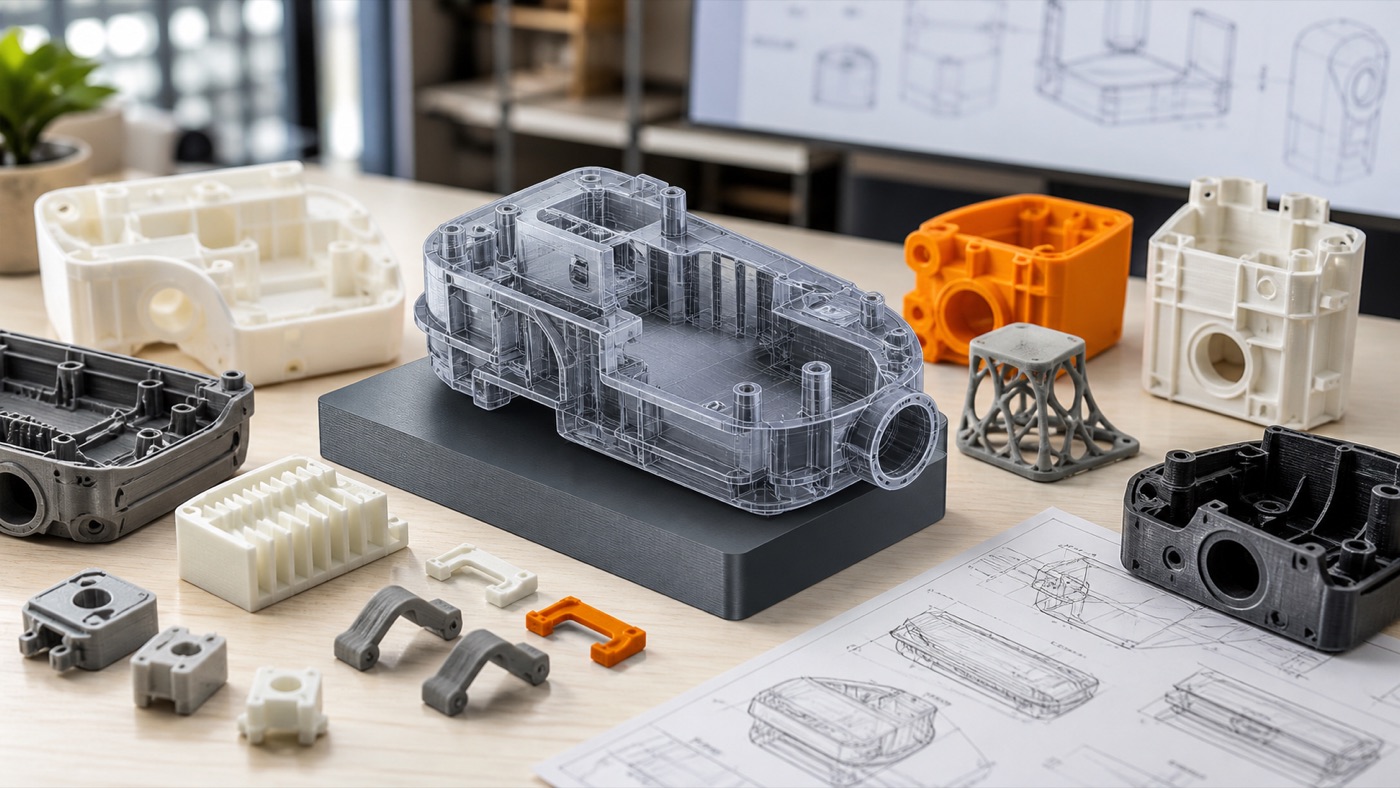
Do not be surprised if version two requires changes. Iteration is the point of the process.
Prototype 3: The Functional Model
A functional prototype tests how the product behaves. Depending on the application, this may mean testing strength, mounting, ergonomics, movement, heat management or assembly.
The printing material and orientation become more important at this stage. A functional bracket should be printed in a way that reflects the expected loads, while an enclosure may need ventilation and fastening features.
Use 3D Printing to Reduce Development Risk
Traditional manufacturing methods are excellent when the design is stable and production volume justifies tooling. They are less attractive when a design is still changing every few days.
With additive manufacturing, a startup can modify the digital file and manufacture the next version without rebuilding a mold. This encourages experimentation and makes mistakes less painful.
FDM for Functional Prototypes
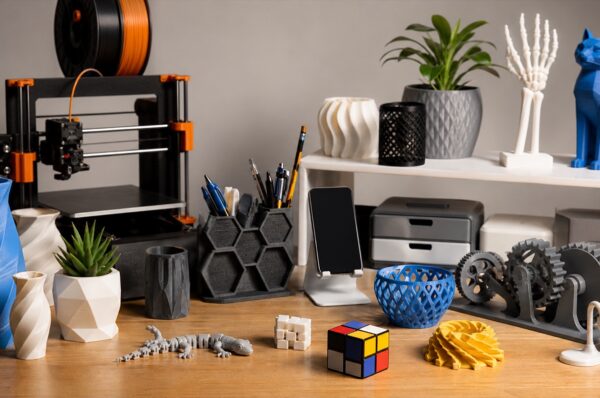
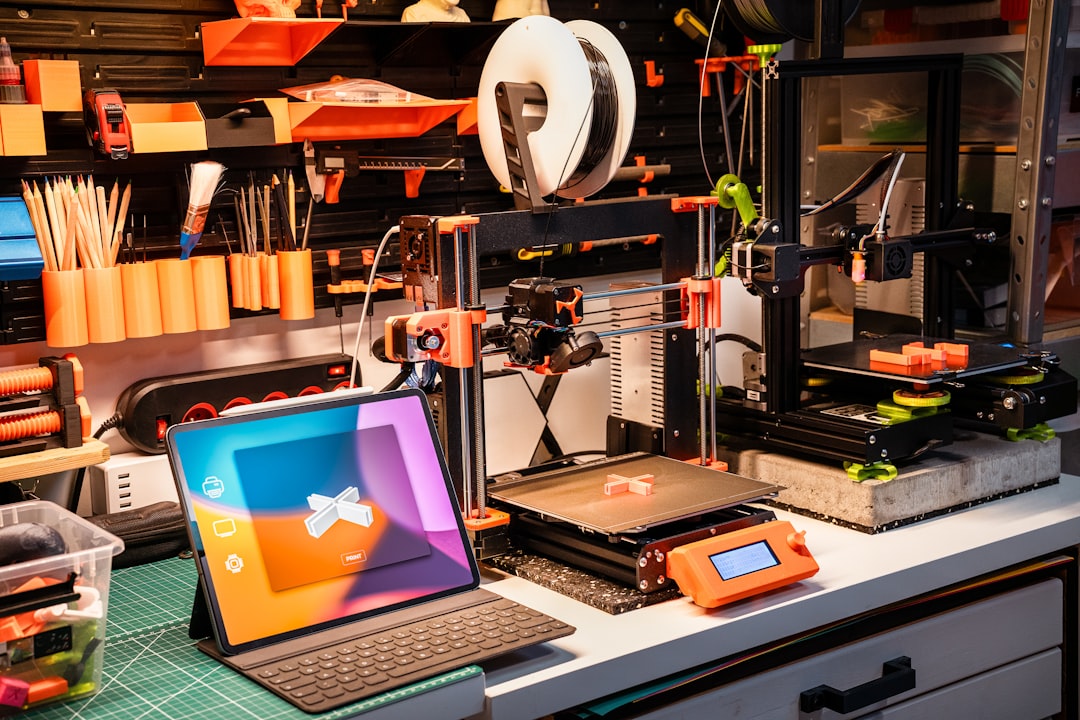
FDM is commonly used for enclosures, brackets, robotics parts, jigs and larger product bodies. Different thermoplastics allow the team to select properties appropriate for the test.
For many startup prototypes, FDM provides enough accuracy and strength to evaluate real-world assembly and use.
SLA for Detail and Presentation
When a concept contains small features or requires a more detailed presentation model, SLA resin printing may be a better fit. A startup does not need to use only one technology; different prototype stages can use different manufacturing methods.
Design for Fast Iteration
Do not make every prototype unnecessarily complex. If you are testing a connector location, print only the relevant section. If you are evaluating grip size, a simplified shell may be enough.
Modular design also helps. Separate the enclosure into logical pieces so one failed feature does not require redesigning and reprinting everything.
Keep a Version History
Name your CAD files and prototypes clearly: V1, V2, V3 and so on. Record what changed and why. This prevents the team from accidentally returning to an old mistake and creates useful documentation for later manufacturing decisions.
Photograph each prototype and note the test result. Over time, this becomes a visual history of product development.
Prototype With Real Components
For hardware startups, designing only from datasheet dimensions can be risky. Whenever possible, test with the actual component. Connectors, solder joints, wires and tolerances can occupy space that a simplified CAD representation does not show.
A physical fit test is often worth more than another hour staring at the screen.
When Is the Prototype Finished?
A prototype is finished when it has answered the question it was created to answer. Your appearance model does not need to survive a mechanical load test. Your fit-check shell does not need a perfect cosmetic finish.
As the design becomes more stable, later prototypes can combine more requirements until you are ready to evaluate production options.
Rapid Prototyping With Artin3D
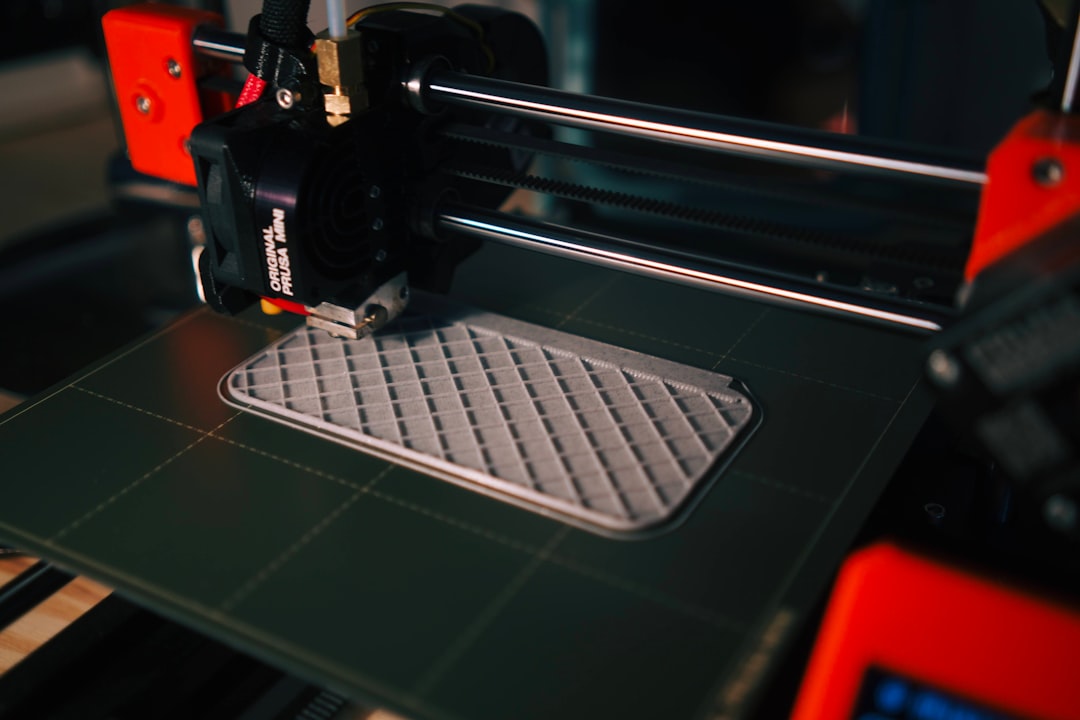
Artin3D works with custom product bodies, electronics enclosures, prototypes and FDM/SLA projects. We can print a ready model or develop a custom design around your components and requirements.
If you are building a startup product, do not wait for the design to become perfect on screen. Build a version you can test, learn from it and improve it.
Design → Print → Test → Improve.
Artin3D – Where ideas take shape.