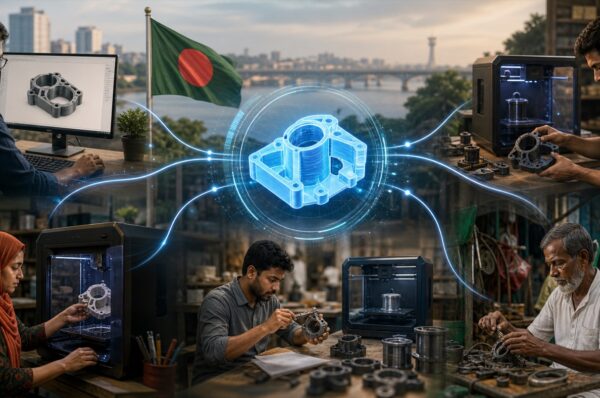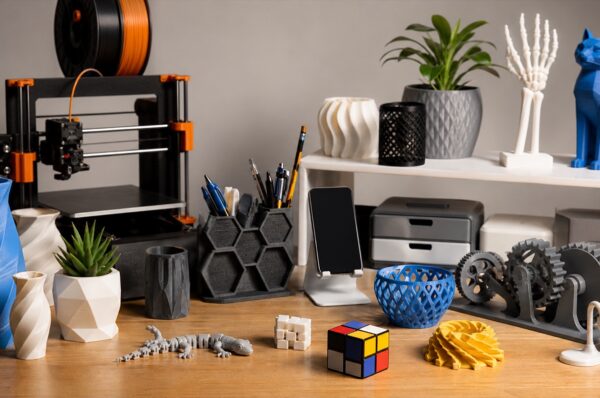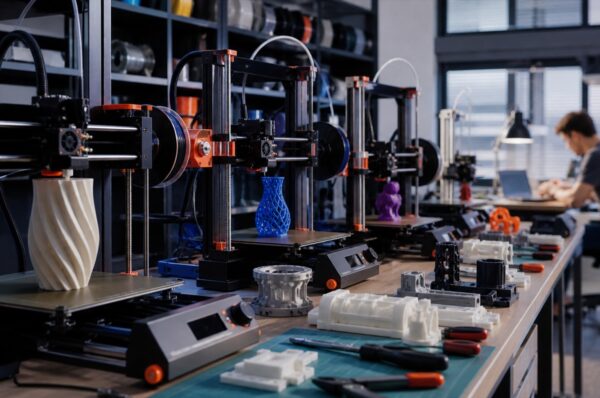
Mass production is not always the right first step. Many businesses need 10, 50 or 200 pieces of a specialized product before they know whether demand is stable. Others sell customized products where every unit is slightly different. In these situations, small-batch manufacturing with 3D printing can offer an advantage because production begins without a dedicated mold.
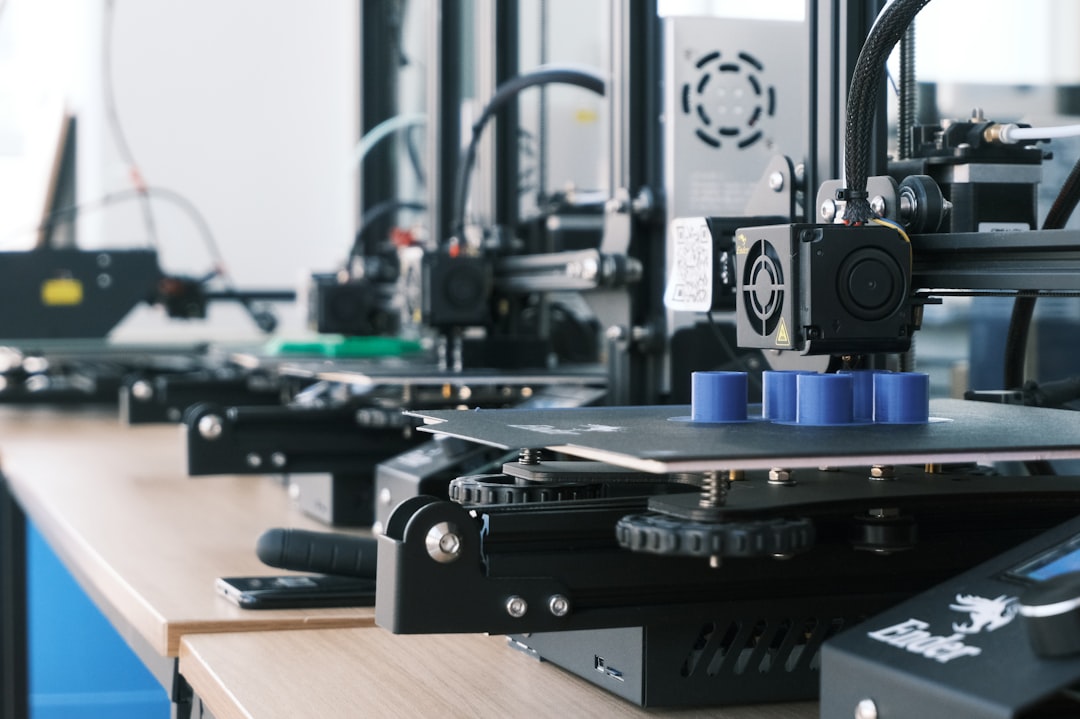
What counts as small-batch manufacturing?
There is no universal quantity. The important point is that volume is low enough that tooling cost and design flexibility still matter. A business producing replacement clips may have a different economic threshold from a company producing large enclosures.
No mold means lower upfront commitment
Injection molding can deliver excellent unit economics at scale, but molds require upfront investment and lock in geometry. With 3D printing, a digital file is the production tool. If the product needs a hole moved or a label changed, the file can be updated before the next batch.
Where 3D printing is especially useful
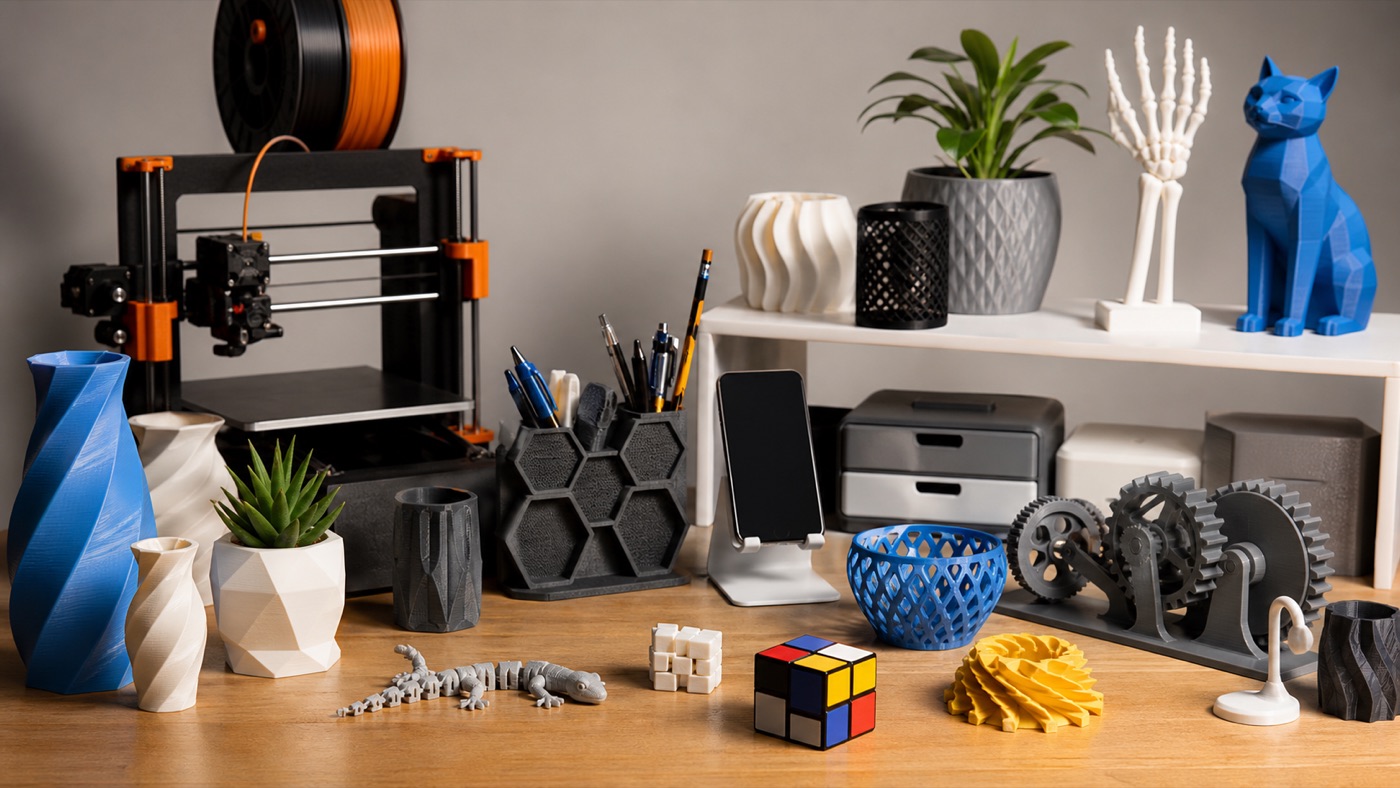
Good candidates include specialized brackets, jigs, enclosures, low-volume replacement parts, customized accessories, educational products, pilot hardware and components with geometry that would be difficult to fabricate manually.
Calculate total cost, not filament alone
Production cost includes material, printer time, setup, failed-print allowance, labor, support removal, quality control, post-processing and packaging. A business should compare the delivered cost of an acceptable part, not only the grams of plastic used.
Machine time is a capacity constraint
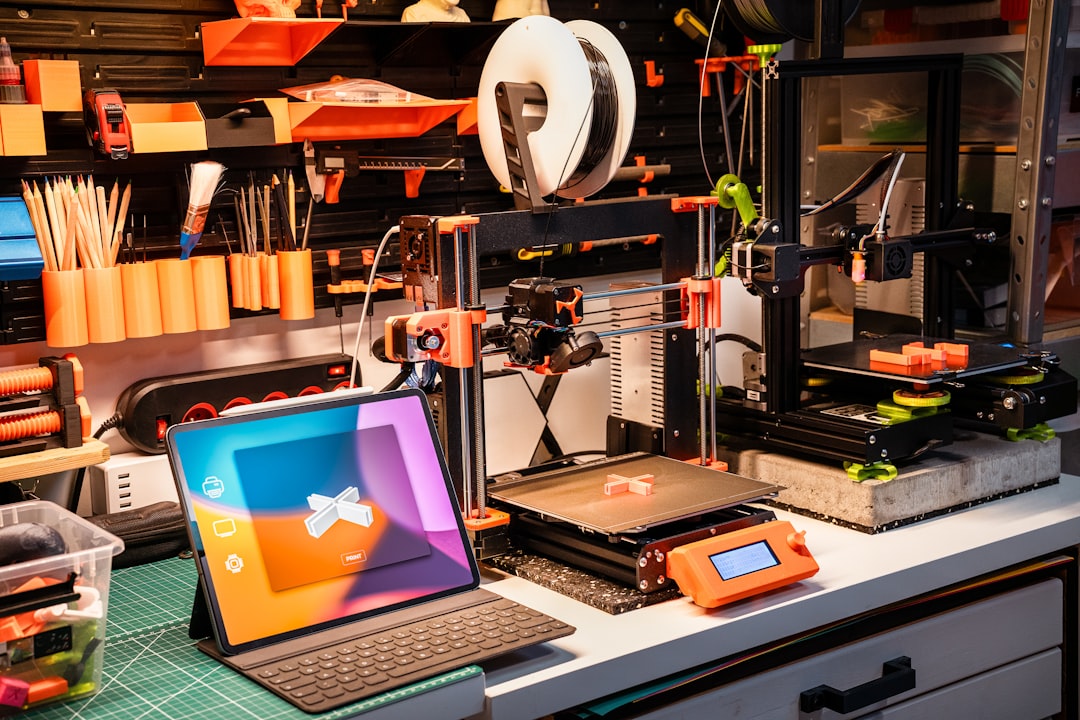
A part that takes many hours to print occupies a machine even if it uses little material. For larger batches, multiple printers can increase throughput, but capacity planning becomes important. Design optimization that removes unnecessary print time can have a direct commercial benefit.
Design for additive manufacturing
Reduce supports, orient surfaces intelligently and use geometry that provides strength without excessive material. Parts designed as if they were injection molded may not be efficient to print. Conversely, additive manufacturing allows internal channels, customized labels and consolidated assemblies that other processes may find difficult.
Quality consistency
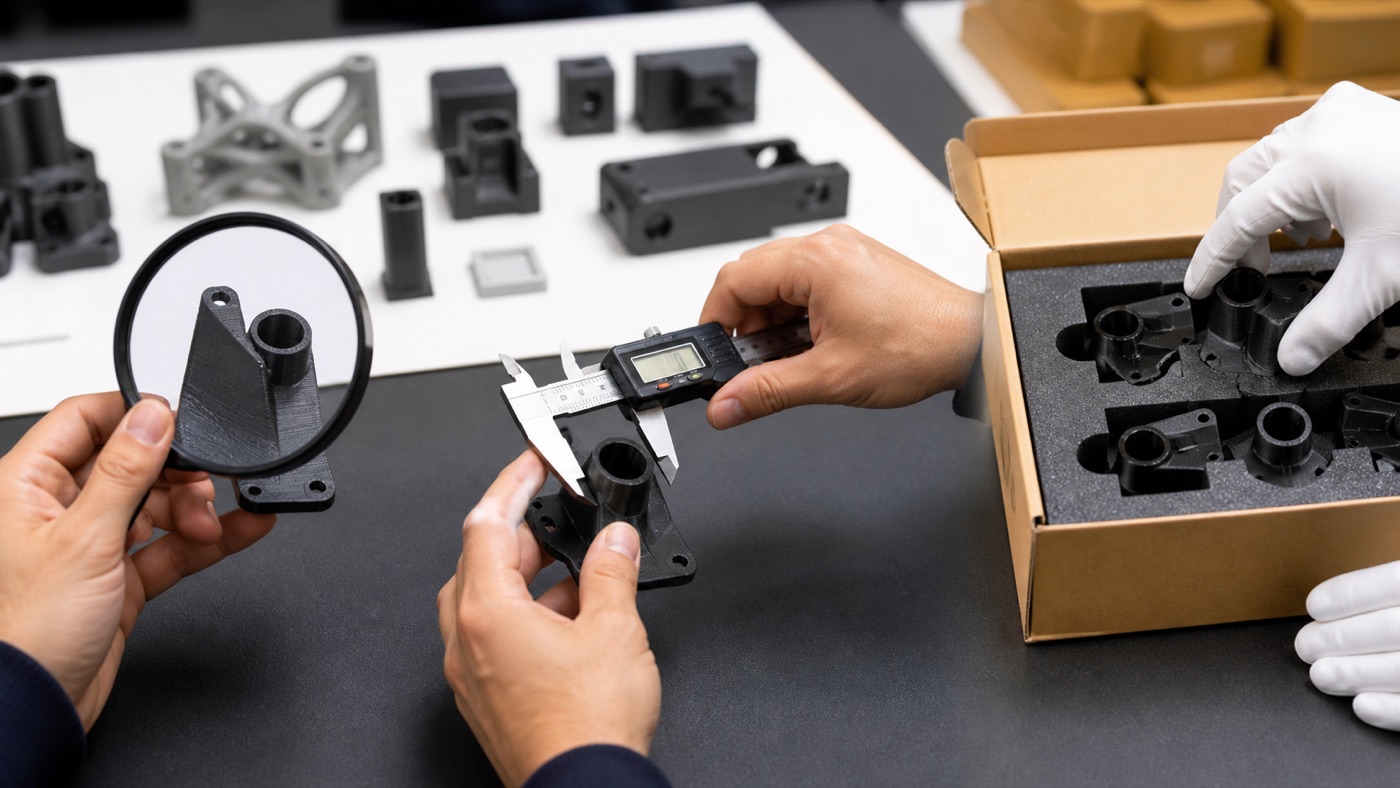
A production batch needs more control than a single prototype. Define material, printer profile, orientation and acceptance criteria. Check dimensions that affect assembly. If color matters, use consistent material batches where possible. Record revisions so the same file is not accidentally produced with different settings.
Customization can justify printing
Traditional mass manufacturing works best when units are identical. 3D printing can change text, dimensions or features between units without new tooling. Personalized products and specialized B2B components can therefore remain economically interesting at quantities where conventional tooling is hard to justify.
When 3D printing stops making sense
If demand becomes very high, geometry is stable and the product can be molded efficiently, another process may reduce unit cost. The correct transition point depends on part size, material, tooling cost, quality requirements and expected lifetime volume.
Use a pilot batch to learn
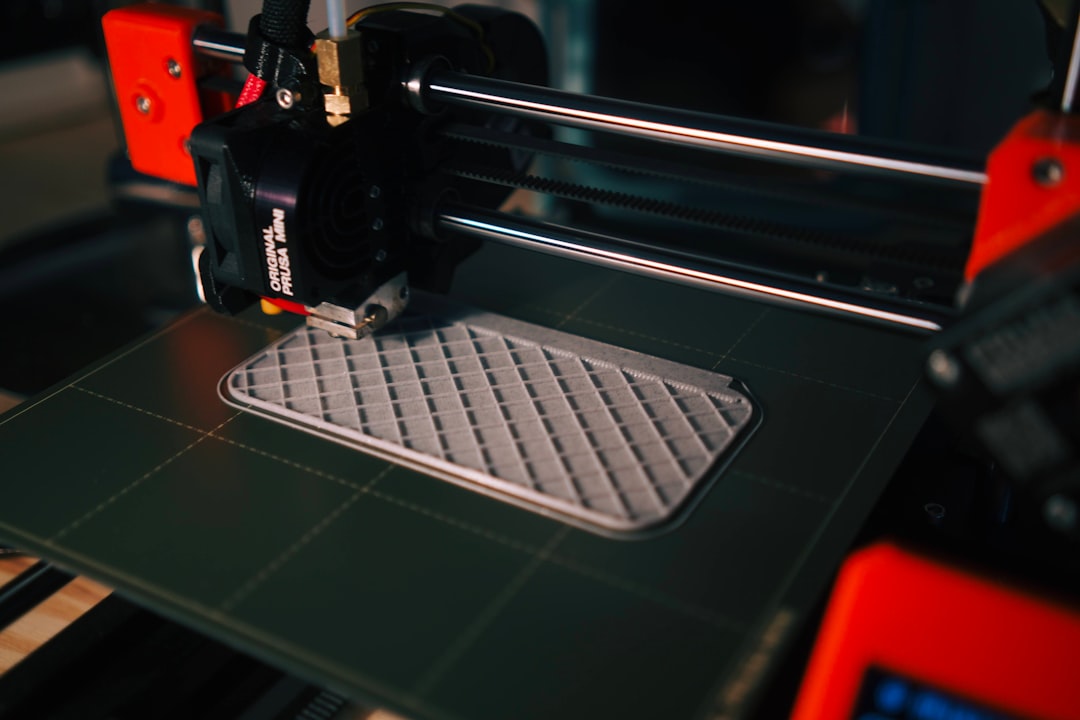
Before ordering thousands of units, a startup can produce a small batch and observe real users. Does the clip break? Is assembly confusing? Does the enclosure overheat? Feedback from 20 real units can justify a design change before tooling.
Replacement and legacy parts
Small-batch printing is also useful when a manufacturer no longer supplies a low-volume plastic component. If the part can be legally reproduced and safely used, reverse engineering may allow a limited replacement run without recreating an expensive original mold.
How to request a batch quote
Provide the final model, quantity, material, color, critical dimensions, finish requirements and deadline. Mention whether parts need assembly or packaging. If you expect recurring batches, say so; design optimization may reduce long-term production time.
Conclusion
Small-batch 3D printing in Bangladesh is worth considering when flexibility, customization and low upfront tooling matter more than the lowest possible high-volume unit price. Use it to test demand, serve niche markets and improve products before committing to mass production. Artin3D can evaluate FDM or SLA production for suitable custom batches. Artin3D – Where ideas take shape.