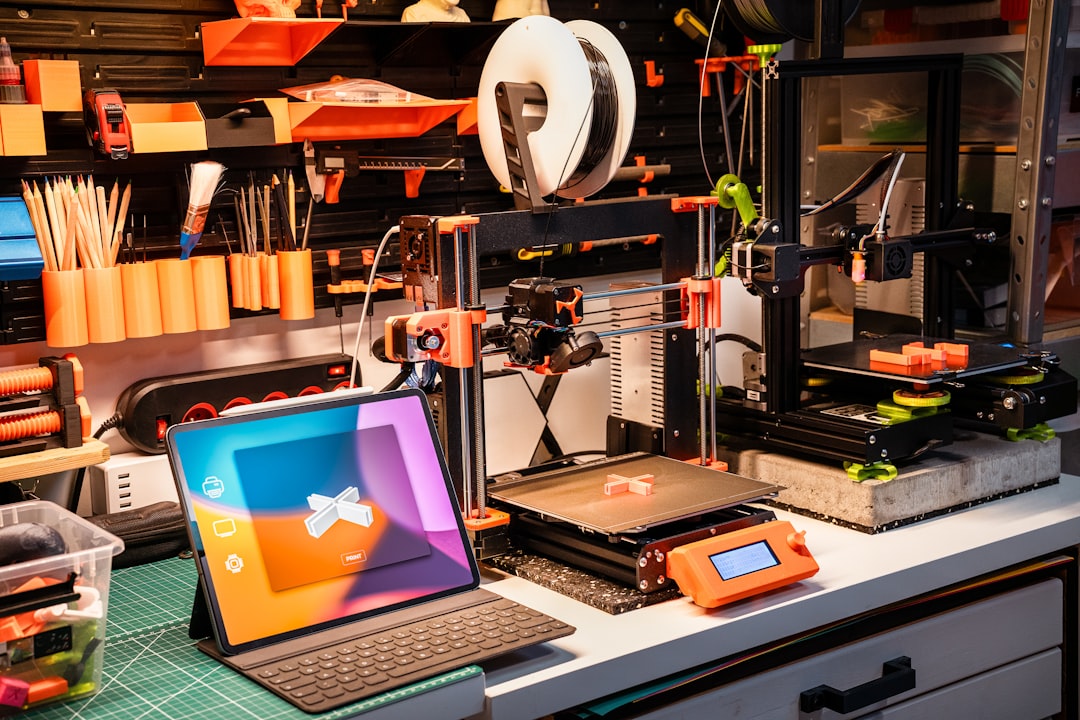
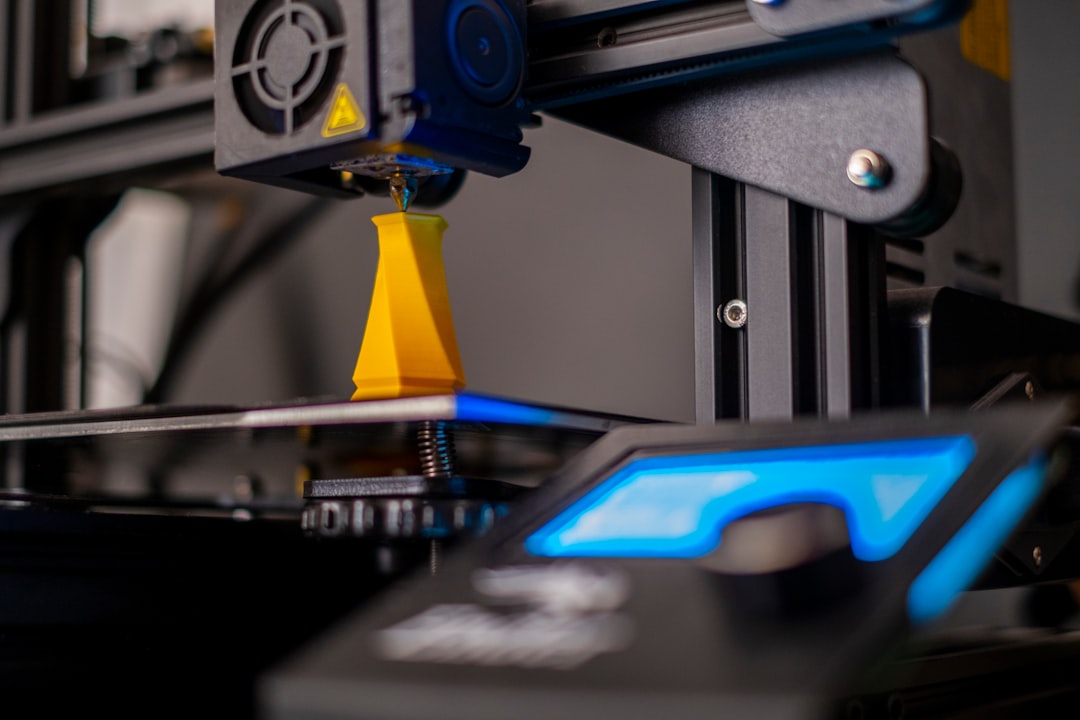
FPV and RC builders often need a part that does not exist in a local shop: a camera mount at a specific angle, an antenna holder for a particular frame, a GPS mount, a protective electronics cover or an adapter between two components. 3D printing is especially useful for these custom interfaces because a small digital change can produce a new physical version without tooling.
Which drone parts are suitable for 3D printing?
Common applications include action-camera mounts, FPV camera brackets, antenna holders, GPS mounts, receiver trays, cable guides, landing feet, propeller guards for appropriate designs, protective covers and custom accessories. Printing can also help with ground equipment such as remote-control holders and cases.
Not every structural part should be printed
A drone is a safety-critical flying machine. Highly loaded primary structural components require careful engineering, material selection and testing. A printed accessory that holds an antenna is a very different risk from a part whose failure could cause the aircraft to lose a motor. Builders should evaluate loads and never assume that a printable shape is automatically flight-safe.
TPU for flexible protection
TPU is popular in FPV applications because it can flex and absorb impact. It is useful for soft mounts, bumpers, antenna holders and camera protection where controlled flexibility is desirable. Hardness and geometry matter: a very soft mount can introduce unwanted movement while an overly rigid one may not absorb impact effectively.
PETG and rigid accessories
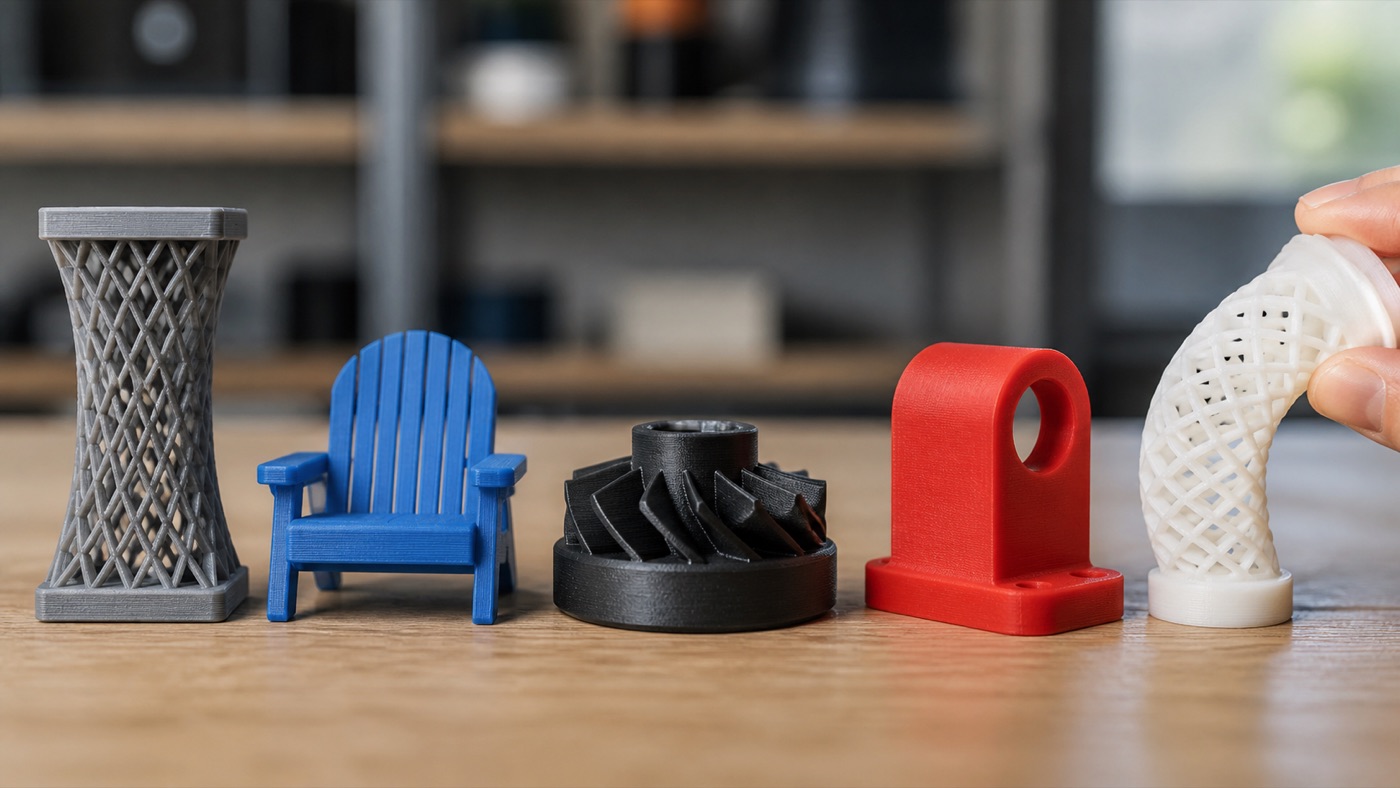
PETG can be useful for rigid or semi-tough drone accessories, housings and brackets. PLA may work for prototypes and indoor test fitting, but heat exposure should be considered, particularly if equipment is left in a hot vehicle or direct sun. Material choice should follow the actual operating environment.
Design around real hardware
Measure the camera, GPS module, antenna, receiver, frame plate and screw spacing. Allow room for cables and connectors. A perfect-looking CAD enclosure can become unusable if the USB port is inaccessible or the antenna cable must bend too sharply.
Weight matters
Every unnecessary gram affects a small aircraft. Optimize wall thickness and geometry rather than filling a part solid. Use ribs and local reinforcement where loads occur. Keep decorative geometry minimal on flight parts. A lighter, well-designed component is often better than a thick part with excessive infill.
Print orientation and strength
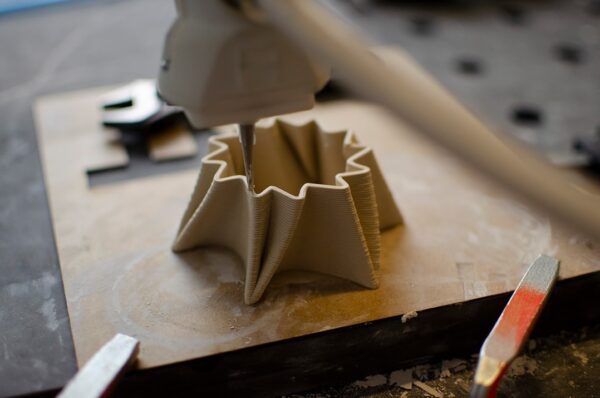
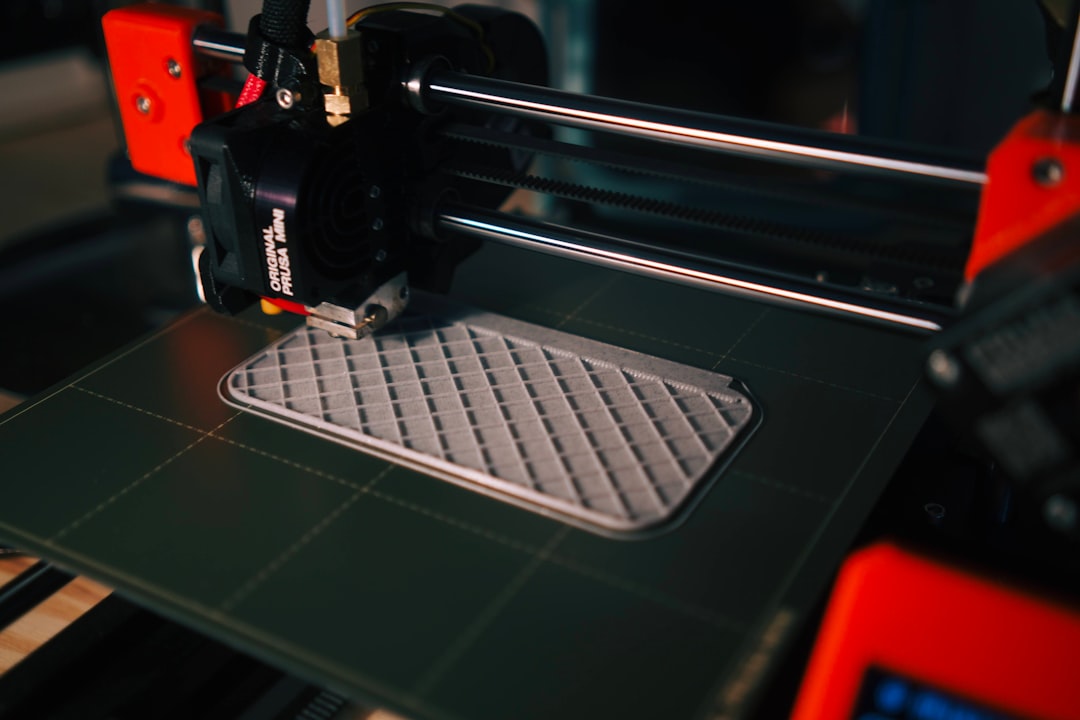
Because FDM parts have layers, orientation can change how a mount behaves in a crash or under vibration. Place critical features so loads are supported by continuous material where possible. Fillets can reduce stress concentration around arms and screw bosses.
Vibration and camera mounts
FPV and action cameras can be sensitive to vibration. A flexible mount may help, but geometry, material hardness and the drone’s vibration source all interact. 3D printing makes experimentation affordable: test different angles or stiffnesses and compare footage rather than guessing.
Prototype before the final version
Print a fast draft to verify fit. Check screw holes, connector access, propeller clearance, field of view and center of gravity. Once the geometry is correct, produce the final part using the selected material and print settings. This avoids spending time on a high-quality print that does not fit.
Replacement parts for older builds
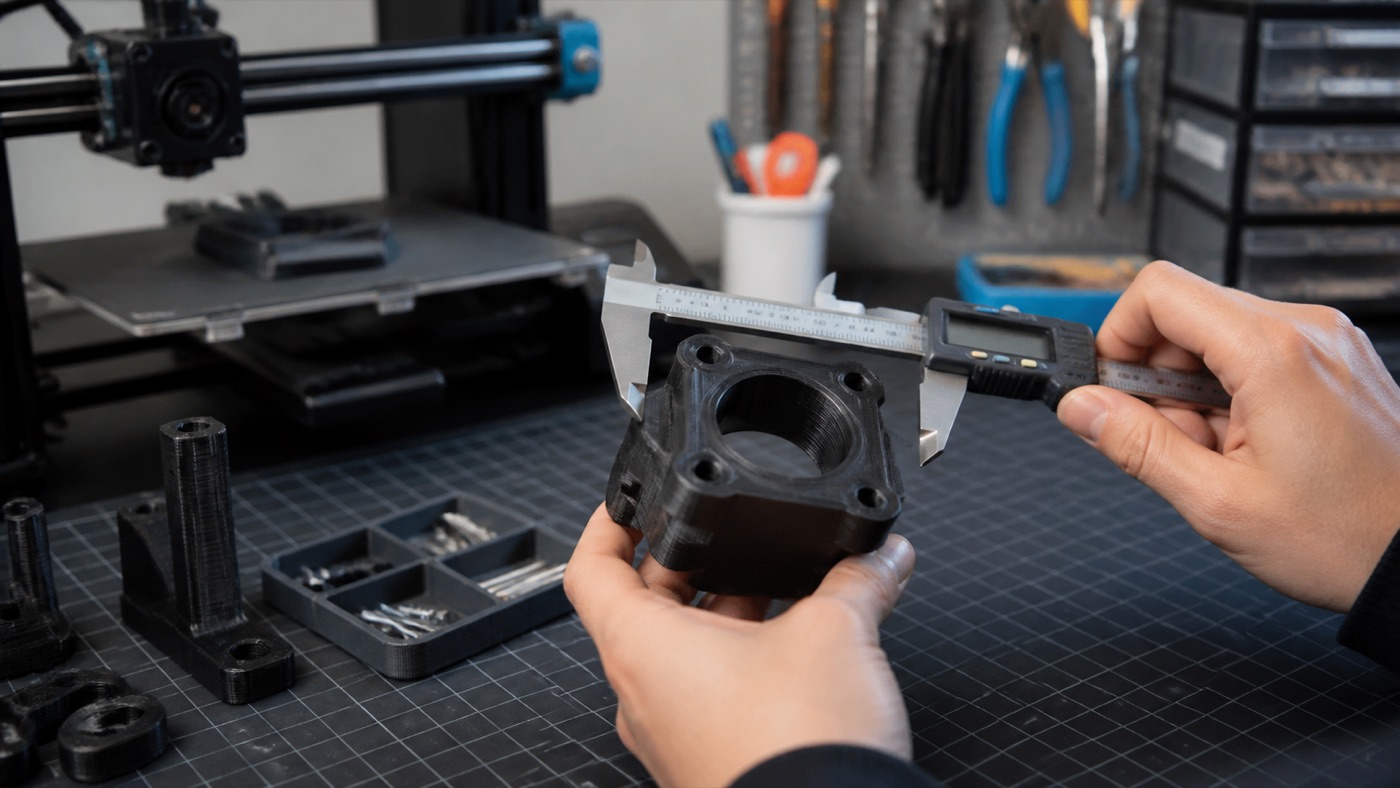
Sometimes a small accessory for an older frame is no longer sold. If the original can be measured or modeled, a replacement may be recreated. This is particularly useful for non-critical covers, clips and mounts. Reverse engineering should include fit testing because worn or broken originals may not represent the intended dimensions perfectly.
Small-batch drone accessories
Makers and businesses can use 3D printing to produce limited runs of specialized accessories without molds. This is useful when the audience is small or the design is still evolving. If demand grows substantially, the data from early batches can guide later manufacturing decisions.
Ordering custom drone parts
Send the model if you have one. If you need design support, provide clear photos, measurements and the physical components when practical. Explain where the part mounts and what loads or heat it may experience. Artin3D has experience producing custom FPV and RC-related bodies, cases and components and can discuss suitable FDM material choices.
Conclusion
3D printing gives drone builders in Bangladesh a practical way to solve fit, mounting and protection problems that off-the-shelf accessories cannot always solve. Use it thoughtfully: optimize weight, choose material based on the environment and treat critical flight structures with the engineering caution they deserve. Artin3D – Where ideas take shape.