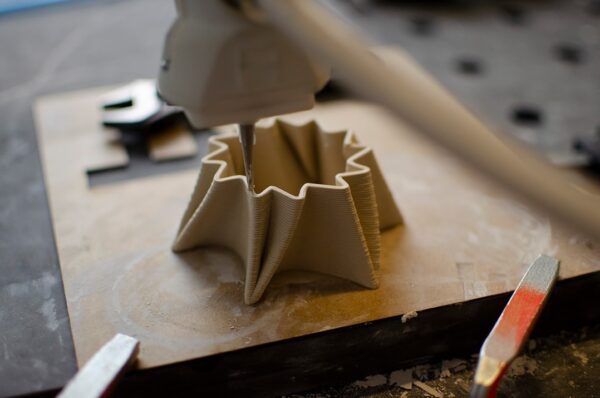
Engineering projects become much easier to evaluate when an idea leaves the screen and becomes a physical object. For students in Bangladesh, 3D printing can help transform CAD models into prototypes for mechanical, electrical, mechatronics, robotics, civil, biomedical and product-development projects. The greatest value is not simply making a final display model; it is testing ideas early enough to improve them.

What can engineering students print?
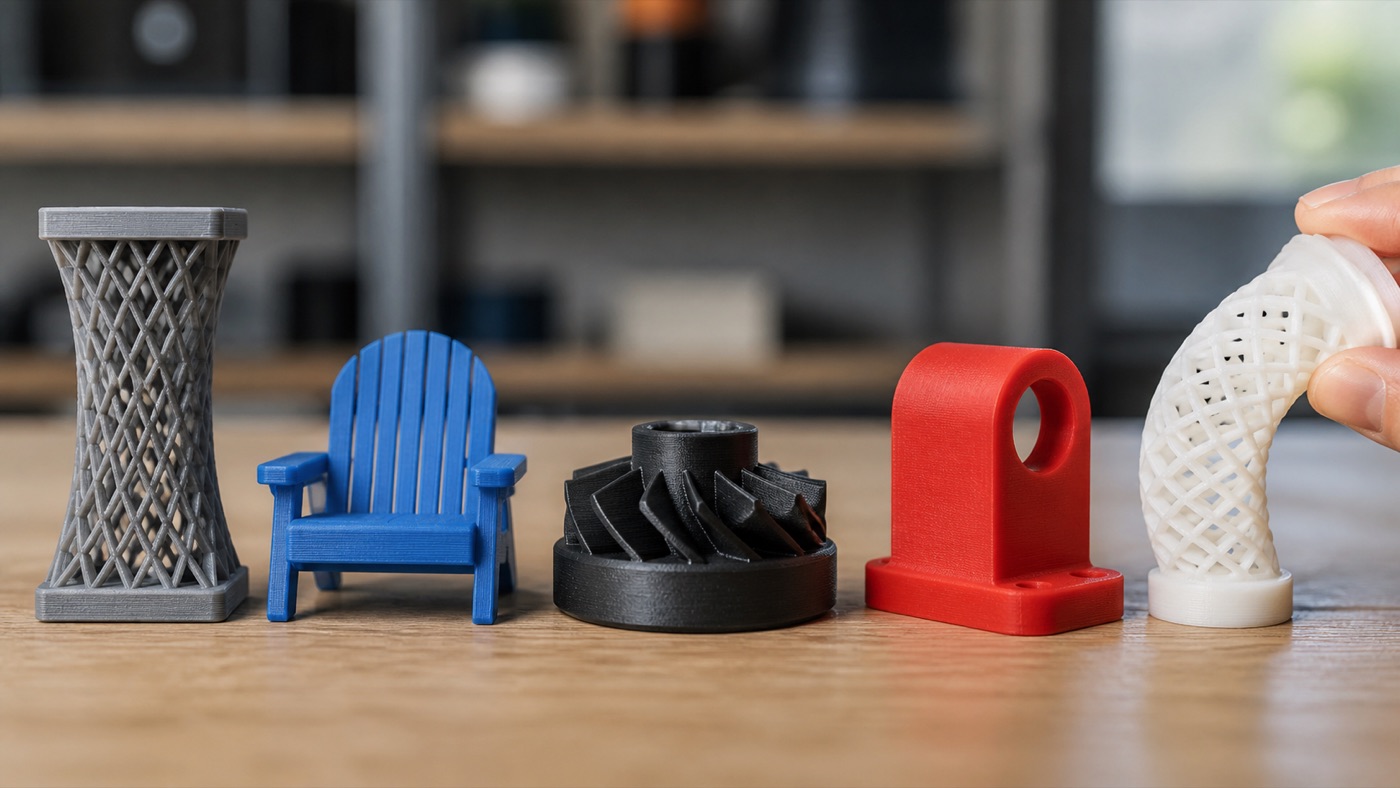
Useful examples include sensor mounts, robot chassis parts, housings, gears for demonstrations, brackets, jigs, scale structures, aerodynamic forms, fluid-system prototypes where material limitations are understood, educational cutaways and product mockups. The exact application depends on the engineering discipline.
Use printing for prototypes, not only presentation
A common mistake is waiting until the project is finished and then printing a beautiful body. A better approach is to print early. Test whether bearings fit, a motor aligns, a PCB can be installed or a mechanism has enough clearance. Physical feedback can reveal problems that are difficult to notice in CAD.
CAD preparation
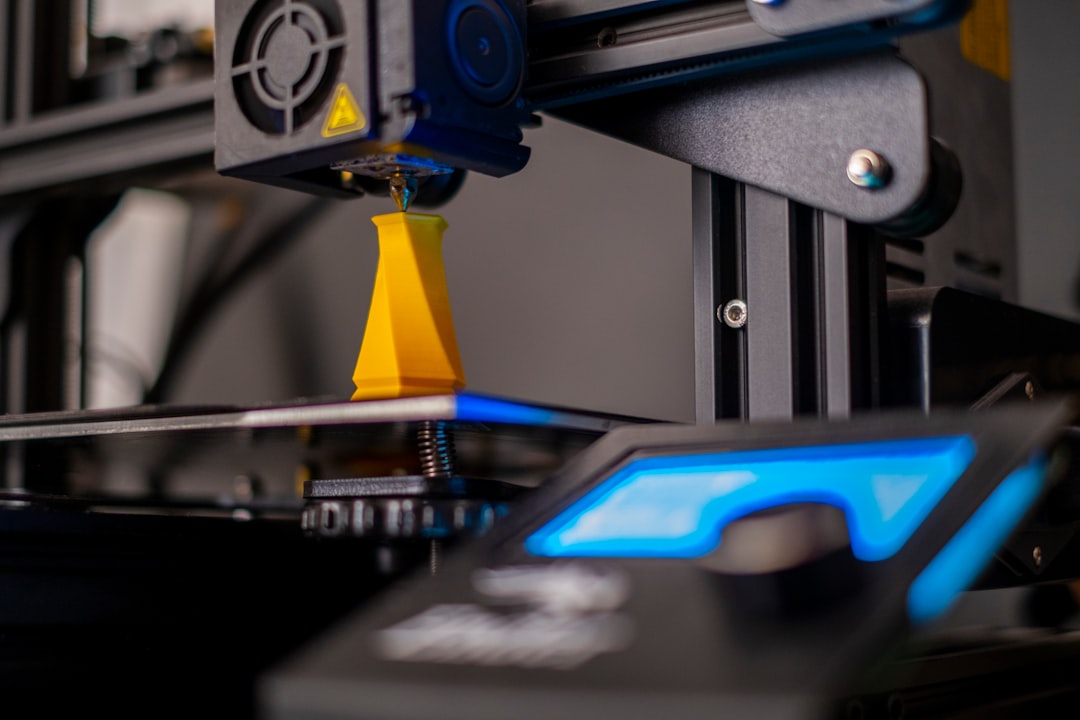
Make the model solid and manufacturable. Remove geometry that is only needed for rendering. Check minimum wall thickness, holes and mating features. For assemblies, define realistic tolerances instead of giving two parts identical dimensions and expecting them to slide together.
Choosing a material
PLA is a good starting point for concept models and many indoor prototypes. PETG may be useful for tougher functional components. TPU supports flexible applications. Resin printing is valuable when fine detail matters. Higher-temperature or specialized projects may require different materials and should be evaluated case by case.
Understand print orientation
FDM parts are anisotropic: mechanical behavior can differ across layer directions. For loaded prototypes, orientation should be part of the engineering decision. A bracket printed in the easiest orientation may not be strongest in the direction of service load.
Infill is not the whole strength story
Students often focus on infill percentage, but walls, geometry, material, orientation and stress concentration can matter more. Add fillets, reinforce mounting points and increase perimeters where loads occur. A thoughtfully designed lightweight part can outperform a poorly designed part printed almost solid.
Dimension and tolerance testing
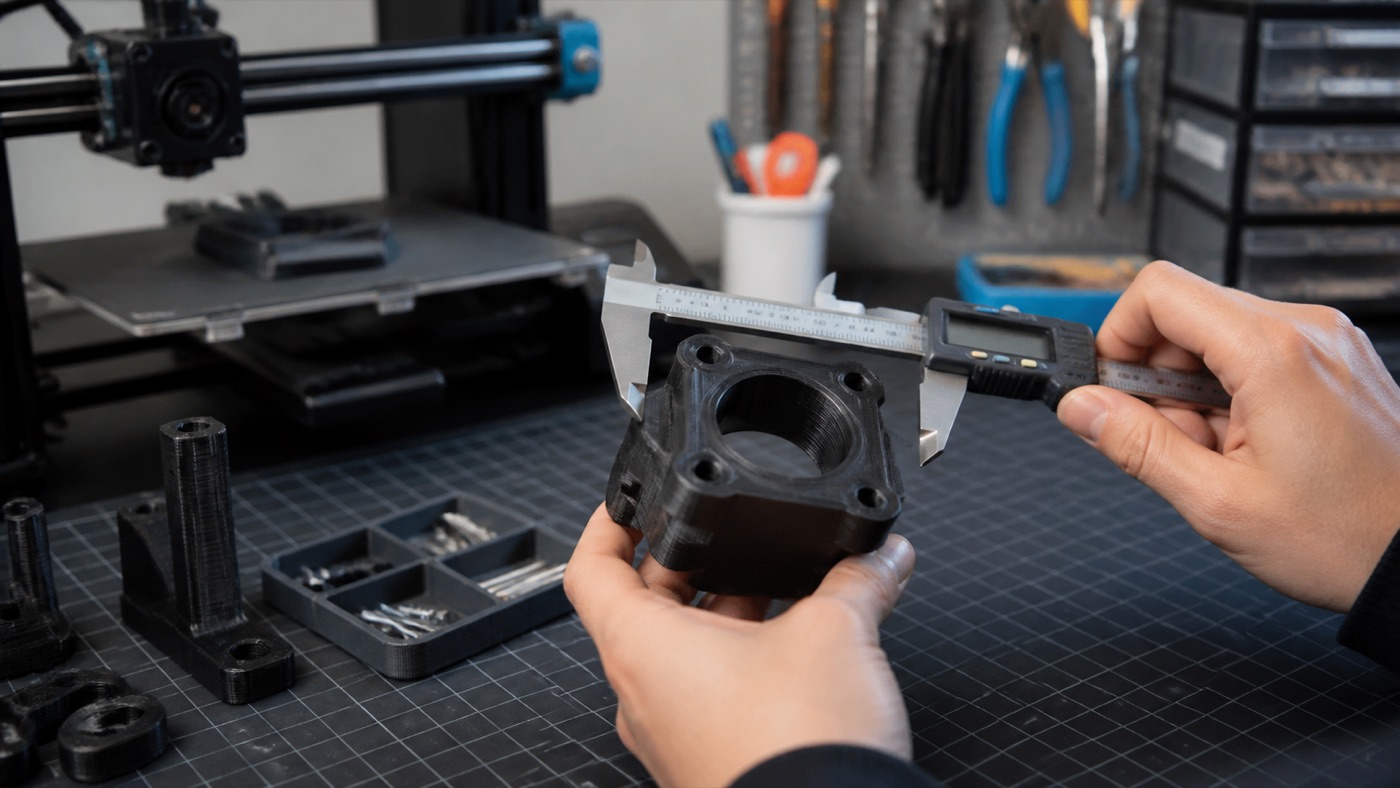
Before printing an entire assembly, create a small tolerance test for shafts, bearings, bolts or sliding fits. This saves time and material. Measure printed results with calipers and update the CAD model. Engineering is an iterative process; the print should provide data.
Working with electronics
For mechatronics and electrical projects, plan cable routing, connector access, ventilation and serviceability. A PCB enclosure should allow the board to be installed without bending it. Batteries should be removable and secured appropriately. Keep hot components away from temperature-sensitive plastics.
Planning around deadlines
University deadlines create production spikes. Do not submit a large model the night before a demonstration and assume it can be printed instantly. Printer time depends on geometry, quantity and settings. Leave time for failed prototypes, assembly and revisions.
How to reduce project cost
Print small test sections first. Hollow large visual models where appropriate. Use lower-detail settings for early prototypes. Combine printed parts with standard bolts, rods, bearings and sheet materials. Only use resin or high-resolution settings on components where the detail adds value.
Document your iteration
Photograph each version and record what changed. For a thesis or capstone presentation, showing Prototype V1, the observed problem and the improved V2 demonstrates an engineering process rather than only a final object. This can strengthen the story of the project.
Ordering a student project print
Send the STL or CAD file, dimensions, quantity, intended use and deadline. If the part fits around electronics or mechanical components, provide those dimensions clearly. Artin3D offers FDM and SLA printing and can discuss design support for suitable student and engineering projects.
Conclusion
3D printing gives engineering students a bridge between calculation, CAD and real-world behavior. The best projects use that bridge repeatedly: design, print, measure, test and improve. Start early enough that the physical prototype can teach you something before the final presentation. Artin3D – Where ideas take shape.