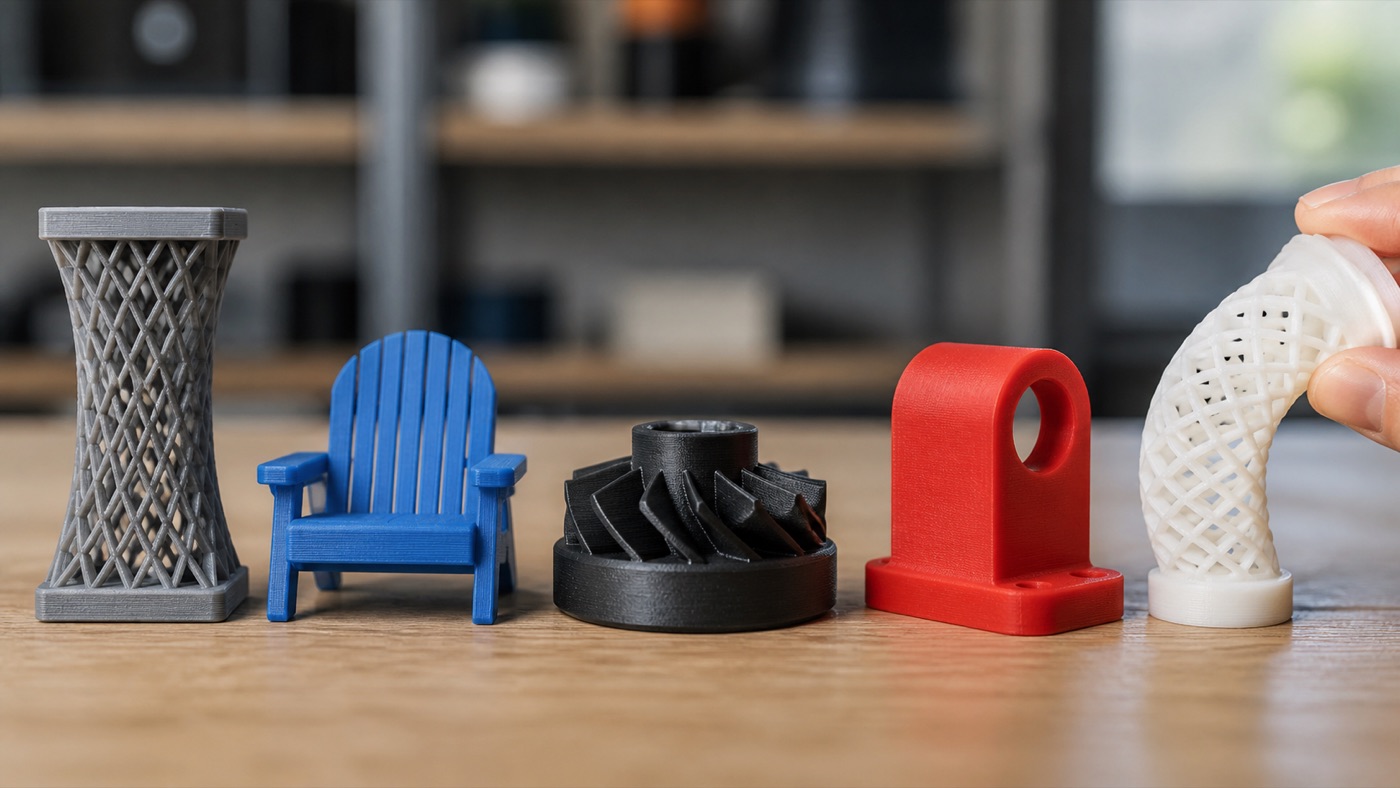
People often ask whether 3D printed parts are strong enough for real use. The better question is: strong enough for what load, temperature, impact and lifetime? A decorative model needs very little mechanical performance, while a motor bracket or machine fixture may experience repeated forces. Material matters, but geometry, print orientation and process settings can be equally important.
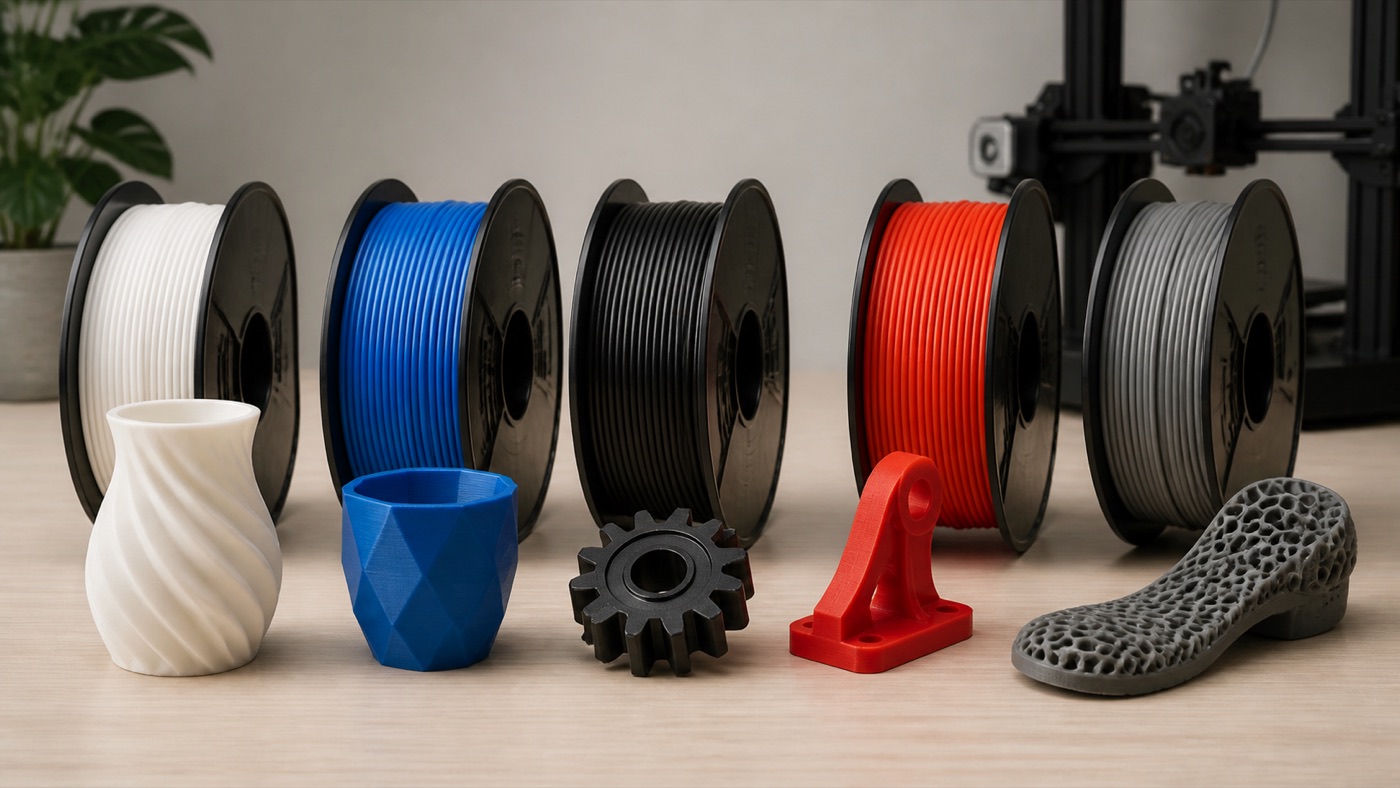
Strength is not one property
Stiffness describes resistance to bending. Toughness relates to absorbing energy before failure. Tensile strength concerns pulling loads. Impact resistance, fatigue, heat resistance and creep describe other behaviors. One material can be excellent in one category and mediocre in another.
PLA
PLA can be surprisingly strong and stiff under normal indoor conditions. It is excellent for many prototypes, fixtures and models. Its limitations include relatively low heat performance compared with some alternatives and a tendency to fail more abruptly in certain impact situations.
PETG
PETG is widely used for functional prints because it combines useful toughness with accessible printing. It is less rigid than typical PLA but may tolerate impact and flexing better in many applications. It can also offer better temperature performance than standard PLA.
ABS
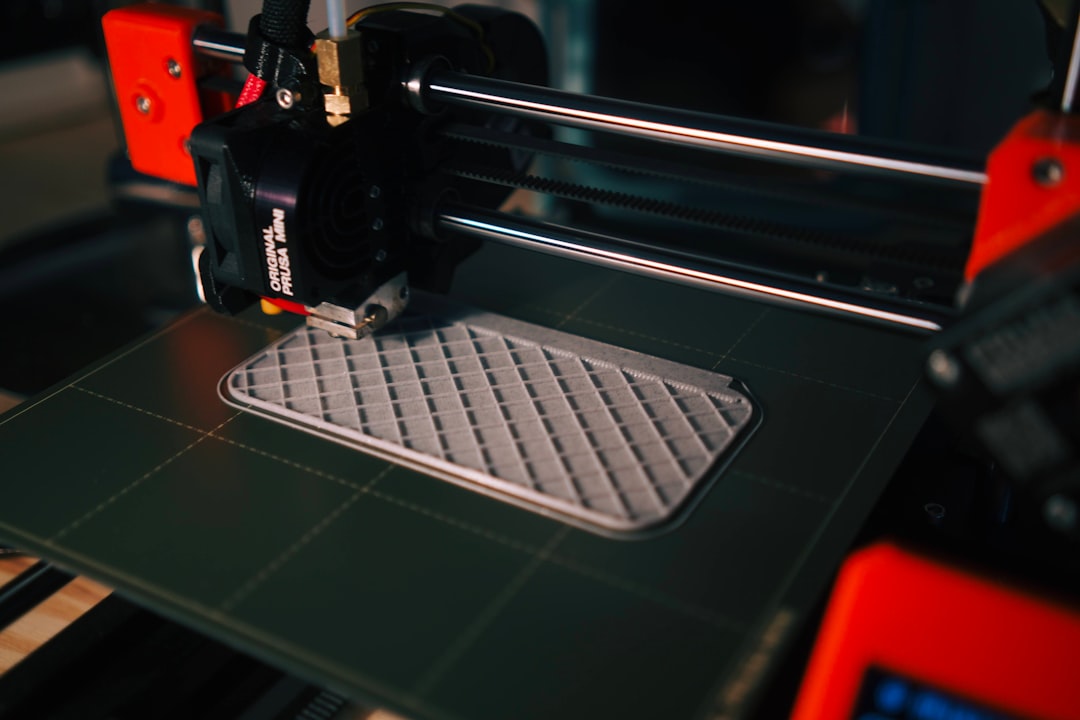
ABS is known for toughness and useful heat performance. It has been used in many manufactured products for decades. Printing ABS well usually benefits from controlled temperatures and an enclosure, particularly for larger parts where warping can be a concern.
Nylon
Nylon materials can provide excellent toughness and wear characteristics, but formulations vary widely. They are also moisture-sensitive and may require careful drying. Some nylon-based composites require wear-resistant nozzles. Use manufacturer data for the exact grade rather than assuming every “nylon” behaves the same.
Layer orientation changes strength
An FDM part consists of deposited roads and bonded layers. Loads parallel to continuous extruded paths may behave differently from loads trying to separate layers. A designer should orient critical parts according to the expected forces rather than choosing orientation only for appearance.
Walls often matter more than extreme infill
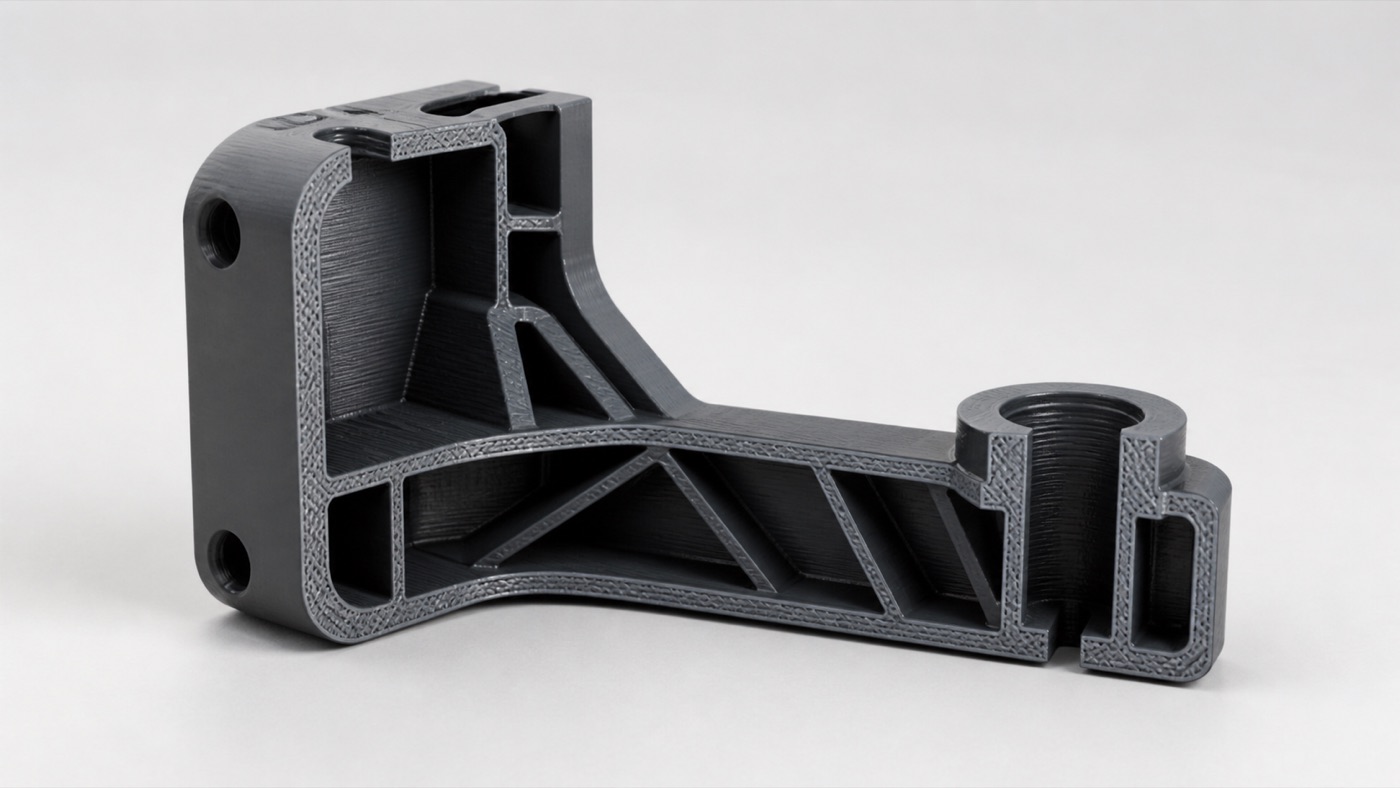
Increasing perimeter count adds continuous material around the outside of a part, where bending stresses are often significant. Infill supports internal structure, but 100 percent infill is not automatically the strongest or most efficient choice. Geometry and wall design should be optimized first.
Fillets and stress concentration
Sharp internal corners concentrate stress. Adding fillets and smooth transitions can improve durability without adding large amounts of material. Screw holes, bosses and thin arms deserve special attention because failures often begin there.
Temperature changes the answer
A bracket that works in an air-conditioned room may behave differently near a motor or inside a parked vehicle. Choose material based on the highest realistic service temperature, not only room-temperature strength. Bangladesh’s hot climate makes this consideration particularly important for outdoor and automotive-adjacent applications.
Moisture and material condition
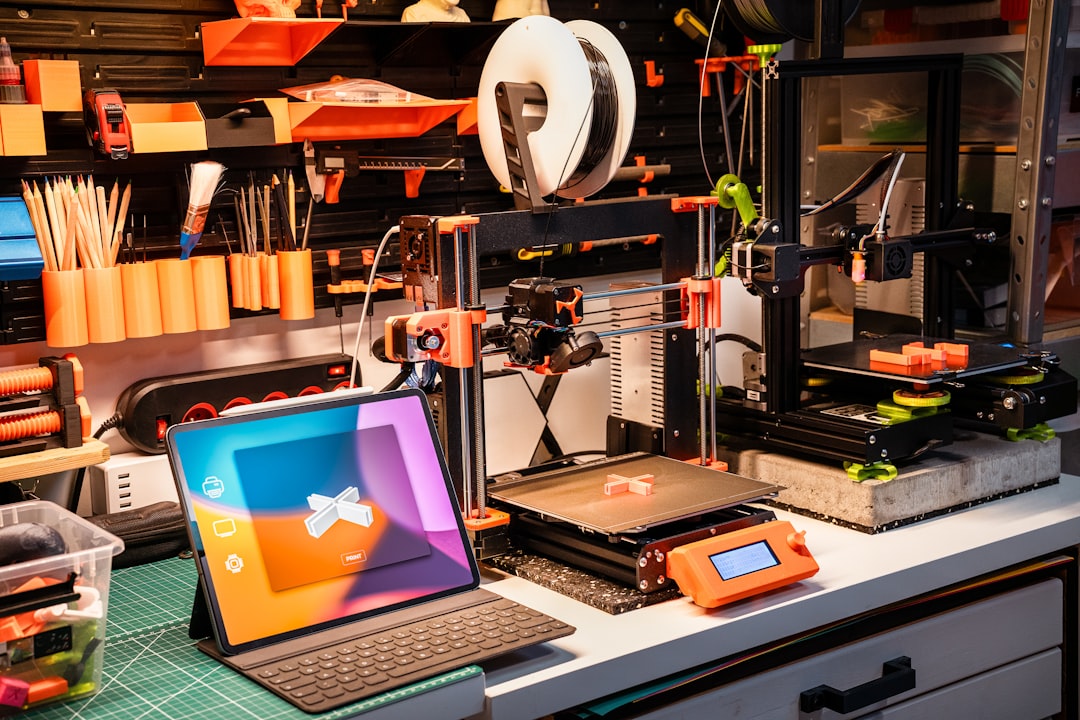
Moist filament can produce poor extrusion and inconsistent surfaces. PETG and especially nylon require sensible storage. A high-performance material printed in poor condition may perform worse than a simpler material printed correctly.
Testing functional parts
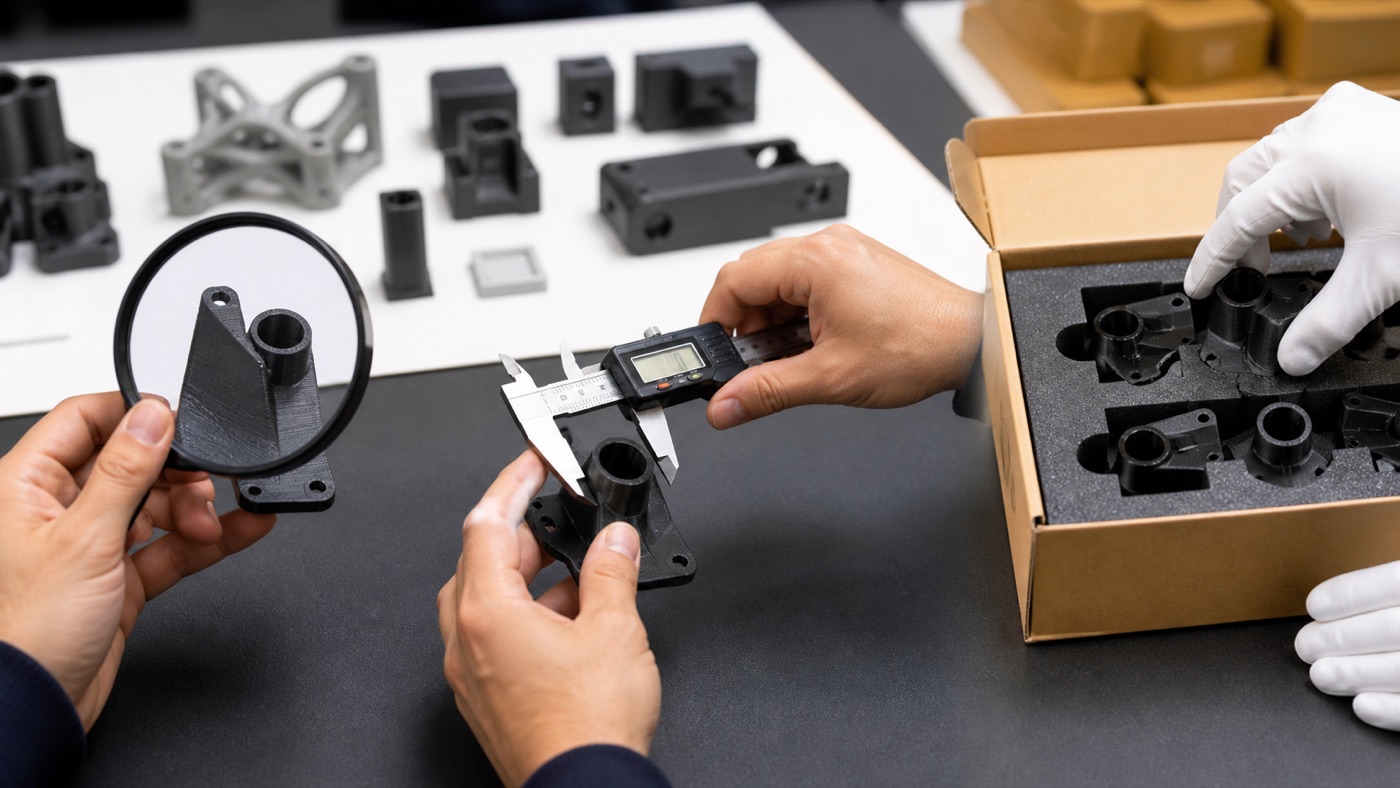
If failure matters, test the actual part. Print representative samples using the same material, orientation and settings. Apply realistic loads and inspect how failure occurs. Published material data is useful, but printed geometry and machine parameters affect the finished component.
Which material should you choose?
Choose PLA for stiffness, easy printing and many indoor applications. Consider PETG for tougher general functional use. Consider ABS when heat and toughness justify its more demanding printing. Evaluate nylon when the application needs its particular toughness, wear or engineering properties and the printing setup can handle it.
Conclusion
3D printed parts can be highly useful functional components, but strength comes from the whole system: material, design, orientation, settings and environment. Tell Artin3D how the part will be loaded and used rather than simply requesting “the strongest material.” That information allows a more practical recommendation. Artin3D – Where ideas take shape.