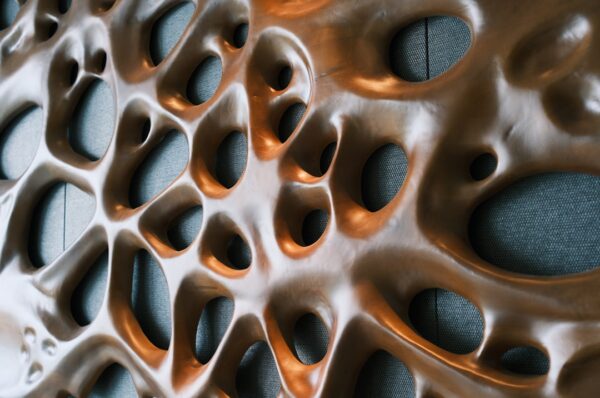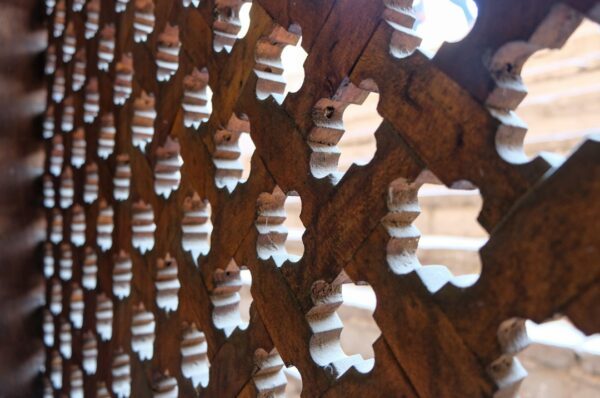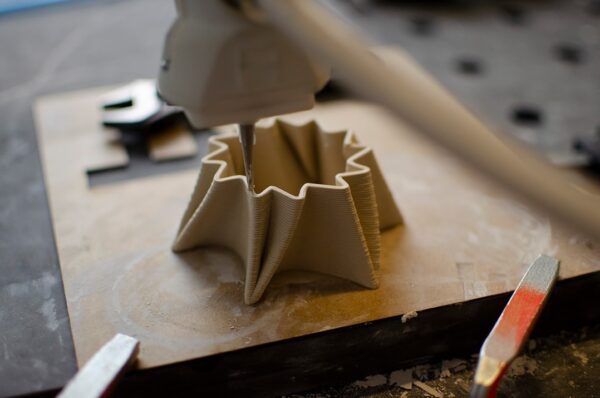
Robot Body-এর জন্য material নির্বাচন শুধু strength দেখে করা উচিত নয়। Weight, impact, temperature, flexibility, printability এবং part-এর function—সব একসাথে বিবেচনা করতে হয়। Different robot section-এর জন্য different material ব্যবহার করাই অনেক সময় best solution।
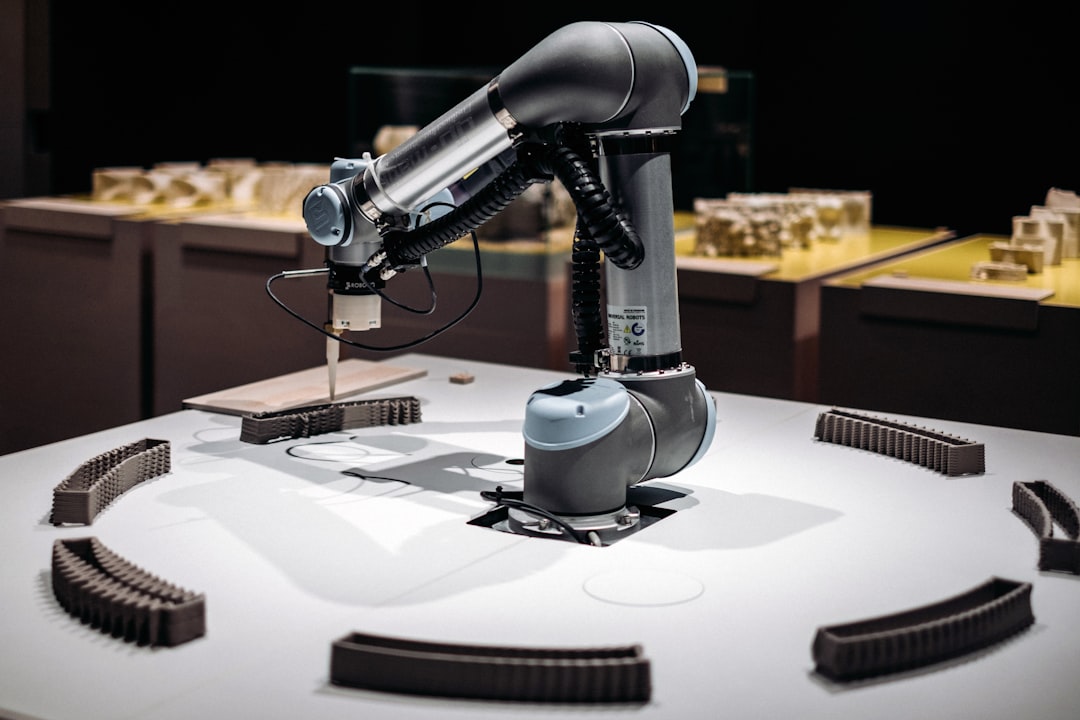
PLA
PLA সহজে print হয়, stiff এবং dimensional accuracy ভালো। Indoor educational robot, prototype body, sensor bracket ও cosmetic panel-এর জন্য ভালো starting material। তবে heat resistance ও impact toughness সীমিত।

PETG
PETG PLA-এর তুলনায় বেশি tough এবং functional use-এর জন্য popular। Robot enclosure, wheel guard, bracket বা medium-load body part-এ useful। Stringing control এবং cooling tune করা দরকার।
ABS ও ASA
Heat resistance ও toughness দরকার হলে ABS/ASA বিবেচনা করা যায়। ASA outdoor/UV environment-এ useful। কিন্তু warping control ও enclosure printer প্রয়োজন হতে পারে।

TPU
TPU flexible bumper, wheel tread, vibration isolator, cable protector অথবা impact-absorbing part-এর জন্য ভালো। পুরো rigid robot body-এর replacement নয়।
Engineering Filament
Nylon, reinforced filament বা other engineering materials high-load application-এ useful হতে পারে, কিন্তু printer capability, moisture control এবং nozzle requirement বিবেচনা করতে হবে।

Material নির্বাচন করার ৬টি প্রশ্ন
- Part load-bearing?
- Impact পাবে?
- Motor/driver heat-এর কাছে?
- Outdoor use?
- Weight critical?
- Flexibility দরকার?
Orientation এবং Wall Design
Strong material ব্যবহার করলেও wrong layer orientation-এ part weak হতে পারে। Screw boss, motor mount এবং joint-এর load direction অনুযায়ী wall, rib এবং print orientation plan করুন।

Practical Recommendation
Prototype-এর জন্য PLA দিয়ে fit ও geometry verify করুন। Functional version-এ requirement অনুযায়ী PETG, ASA, TPU বা stronger material ব্যবহার করুন। এতে development cost কমে এবং final material waste হয় না।
Robot body, robotics prototype ও custom mechanical part-এর CAD Design/3D Printing-এর জন্য Artin3D-এর সাথে যোগাযোগ করুন। Artin3D – Where ideas take shape.
Supporting photos: Natalia Dziubek, Hermeus, Guille B এবং Blaz Erzetic via Unsplash.