TPU opens a category of 3D printed products that rigid PLA and PETG cannot easily provide. It can bend, compress and absorb impact, making it useful for grips, bumpers, protective covers, soft mounts and flexible mechanisms. But flexible filament behaves differently in both design and printing, so a model that works in PLA may need changes before it works well in TPU.
What is TPU?
Thermoplastic polyurethane is a family of flexible thermoplastics. Different formulations vary in hardness, elasticity and abrasion resistance. A common hardness rating may be expressed on the Shore scale. Do not assume two TPU spools with different hardness ratings will produce the same feel.
Where TPU is useful
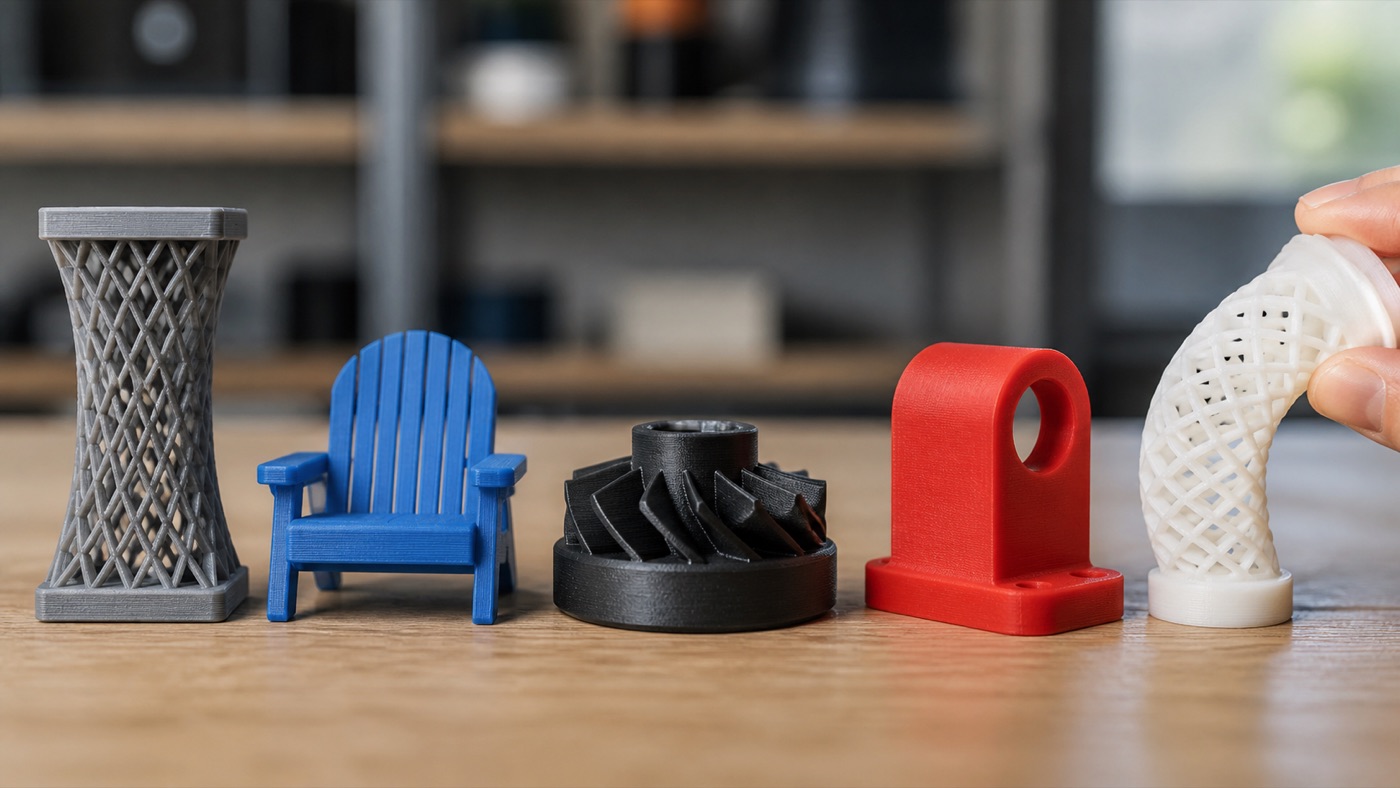
Applications include protective bumpers, phone or device cases, anti-slip feet, cable strain relief, gaskets for non-certified general uses, flexible hinges, RC and FPV mounts, wearable components, grips and vibration-isolating parts.
Flexible does not mean weak
TPU can be extremely tough in the sense that it bends rather than snapping. Its stiffness is lower than rigid plastics, so it is unsuitable when a bracket must hold a precise angle under load. Match the mechanical behavior to the function.
Printer setup
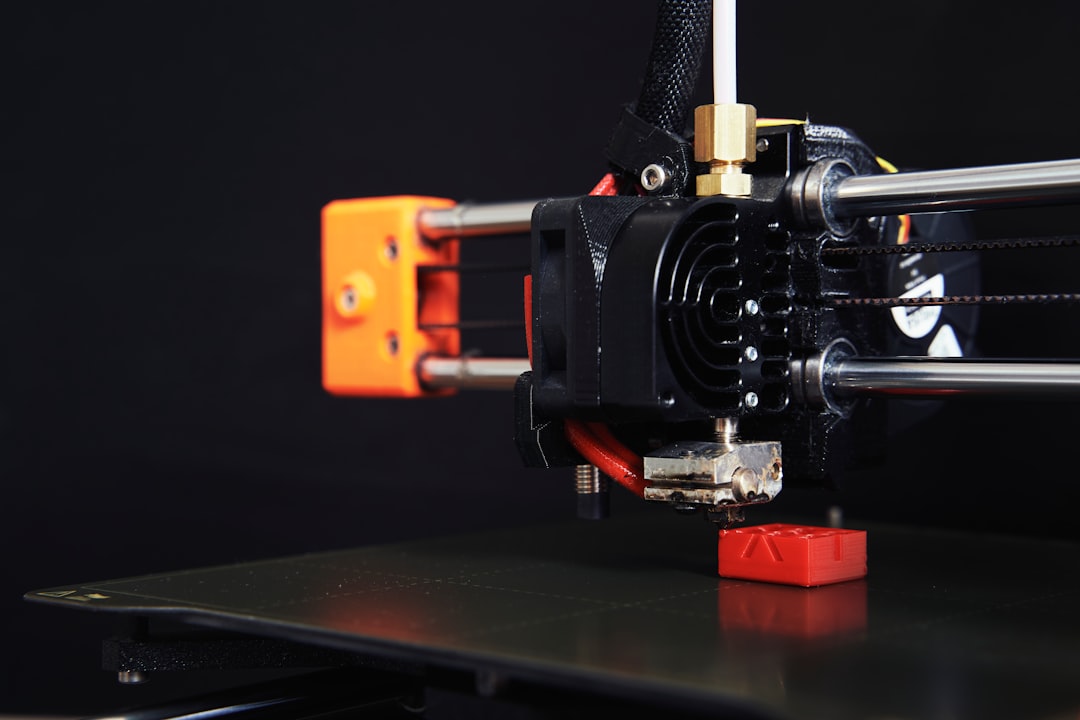
Flexible filament is more difficult to push through an extrusion path because it can buckle. A well-constrained filament path helps. Many modern direct-drive systems handle TPU effectively, but speed usually needs to be lower than for rigid filament.
Printing speed
Trying to print TPU at an aggressive speed can cause under-extrusion or inconsistent flow. Start from the filament and printer manufacturer’s recommendations and tune based on the specific hardness. Reliable extrusion is more important than headline speed.
Retraction and stringing
TPU can string. Excessive retraction may create feeding problems, while too little can leave hairs between features. Temperature, travel moves and material dryness all influence the result. Tune with a small test rather than changing many settings at once.
Designing flexibility
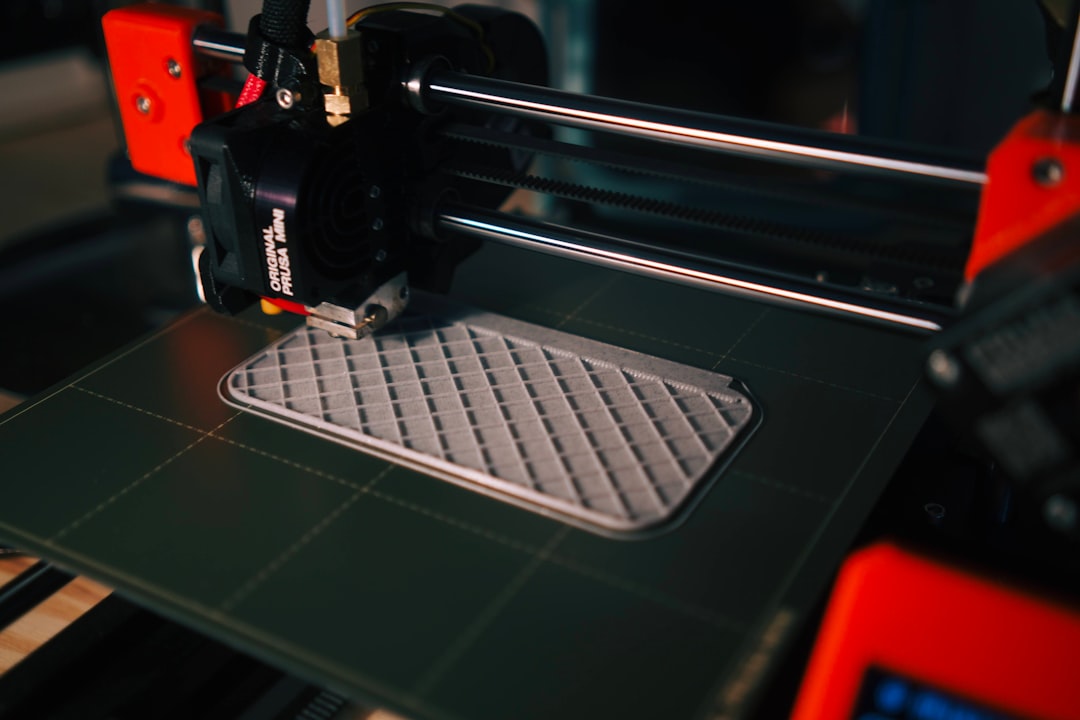
Material hardness is only part of the feel. Wall thickness, infill, shape and rib geometry change how easily a part bends. A thick TPU block can feel very stiff. A thin compliant feature can bend easily. Design the flexibility instead of relying only on the filament label.
TPU for protective cases
Device cases benefit from impact absorption and grip. Provide clearance so the case can stretch over the device without being permanently loose. Reinforce corners if they are likely impact zones. Openings around buttons and ports should not tear during repeated installation.
TPU for drone and RC parts
Flexible camera mounts, antenna holders and bumpers are common because TPU can absorb impact. Weight still matters. Avoid excessive material and test vibration behavior. A soft camera mount may protect the camera but introduce unwanted movement.
Moisture storage
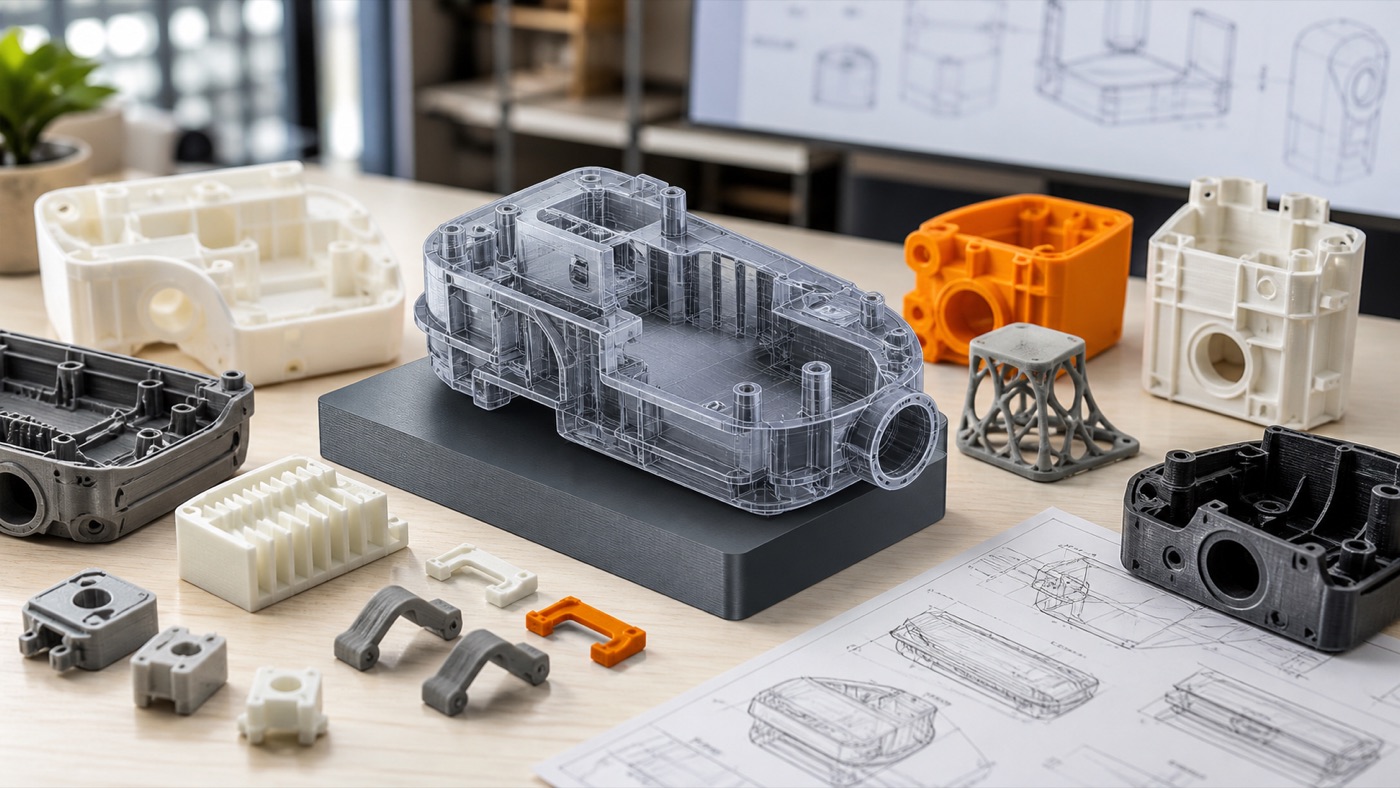
TPU can absorb moisture from humid air. Wet material may print with bubbles, rough surfaces and stringing. Bangladesh’s humidity makes sealed storage with desiccant particularly useful. Dry according to the specific manufacturer’s recommendations.
Supports can be difficult
Support structures made from the same flexible material can be harder to remove cleanly. Design overhangs to reduce supports where possible. Split the part or use chamfers if that produces a cleaner result.
Dimension and fit
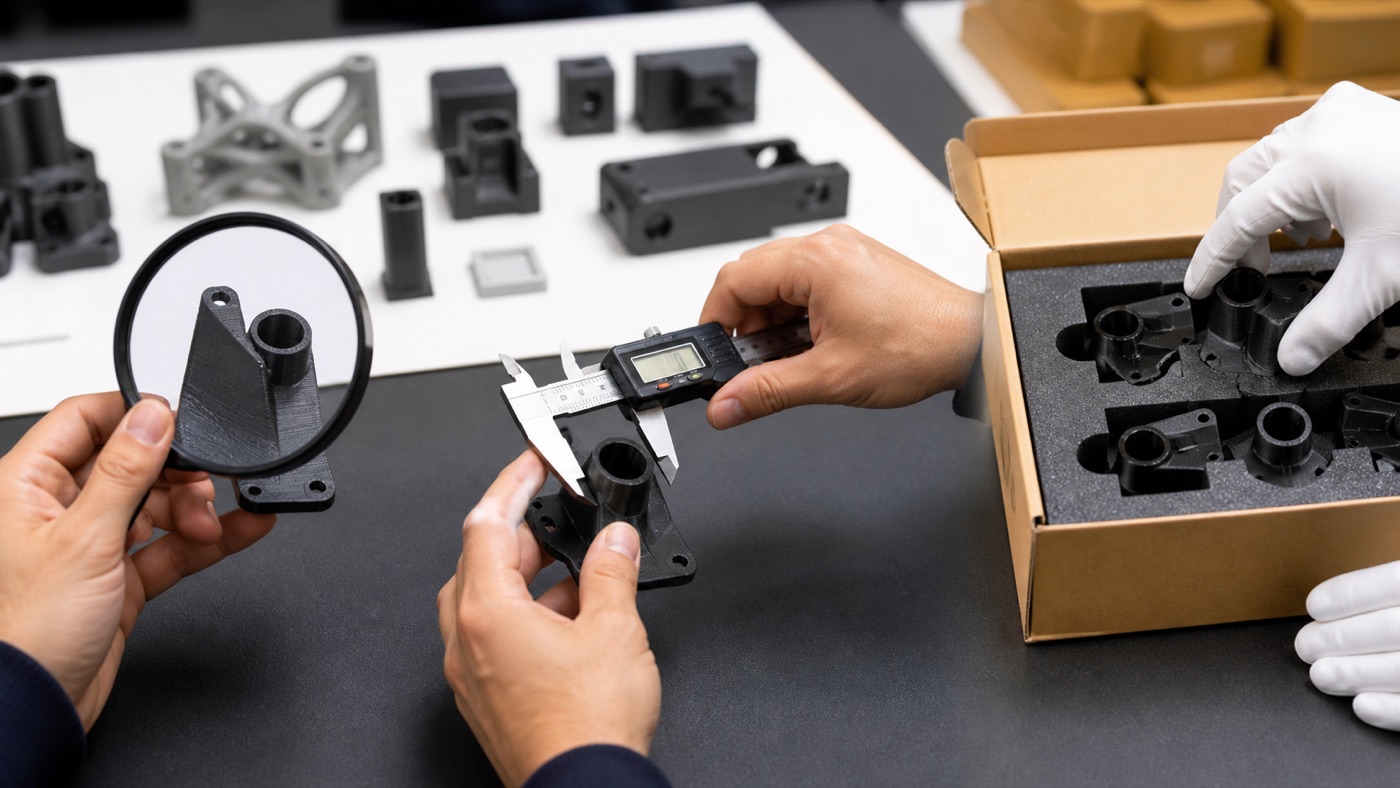
A flexible part can deform during measurement, so fit testing is important. For snap-on covers, print a small section first if the final object is large. Adjust clearances based on real behavior rather than assuming rigid-plastic tolerances.
When not to use TPU
Do not choose TPU just because the part may experience impact. If it must remain dimensionally rigid, PETG, ABS, ASA, nylon or another material may be more appropriate. TPU also may not suit high-temperature or certified-contact applications without a specific qualified grade.
Conclusion
TPU is one of the most useful materials for products that need controlled flexibility, grip and impact absorption. Successful parts come from matching hardness, geometry and printing settings to the application. Artin3D can produce custom TPU parts and help evaluate whether flexible FDM printing is appropriate for your design. Artin3D – Where ideas take shape.