Can a 3D printed part be waterproof? It can be made water-resistant and, with the right design and validation, some printed containers or enclosures can hold out water effectively. But choosing a material labeled “water resistant” is not enough. FDM parts contain layer boundaries, seams, screw holes and openings that can become leak paths. Outdoor use in Bangladesh also adds sunlight, heat and humidity.
Waterproof vs water-resistant
Water-resistant means a product can tolerate some exposure. Waterproof implies a defined level of protection under specific conditions. A rain cover and an underwater enclosure are completely different engineering problems. Define the expected exposure before selecting material or geometry.
PETG for general outdoor parts
PETG is often considered for outdoor functional components because it has useful toughness and moisture resistance. It can work well for covers, brackets and housings when UV and temperature demands are appropriate. Direct long-term sunlight still deserves consideration.
ASA for sun exposure
ASA is attractive for outdoor products because of its UV resistance compared with many common filaments. It can be a good candidate for exterior mounts and enclosures. Printing ASA successfully requires suitable thermal control, and a good material does not compensate for a leaking enclosure design.
Why layer bonding matters
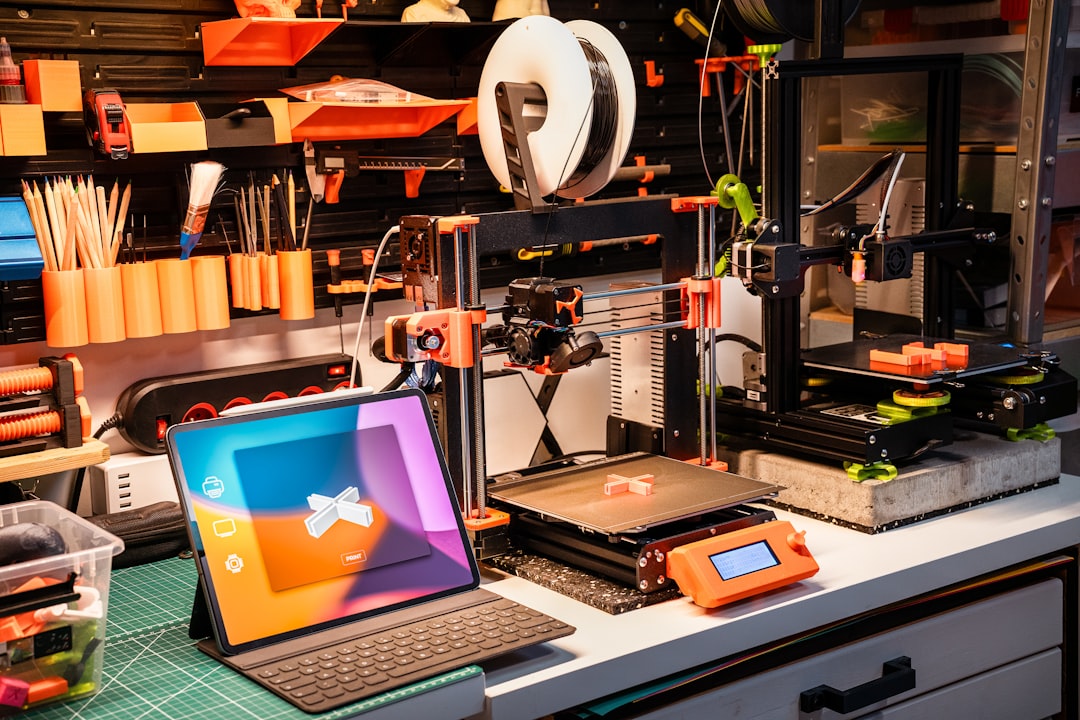
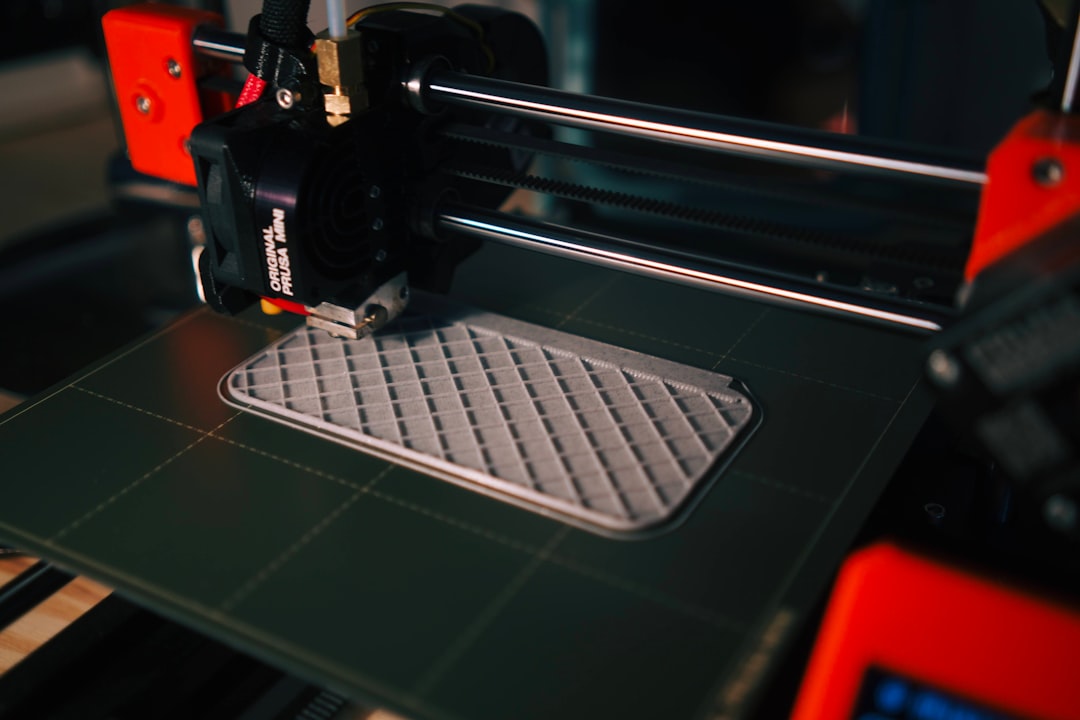
If extrusion is inconsistent or layers do not bond well, microscopic paths can allow liquid through. Appropriate nozzle temperature, dry filament, sufficient walls and reliable extrusion improve the chance of a sealed part. Thin single-wall prints are poor candidates for demanding waterproof applications.
Use multiple walls
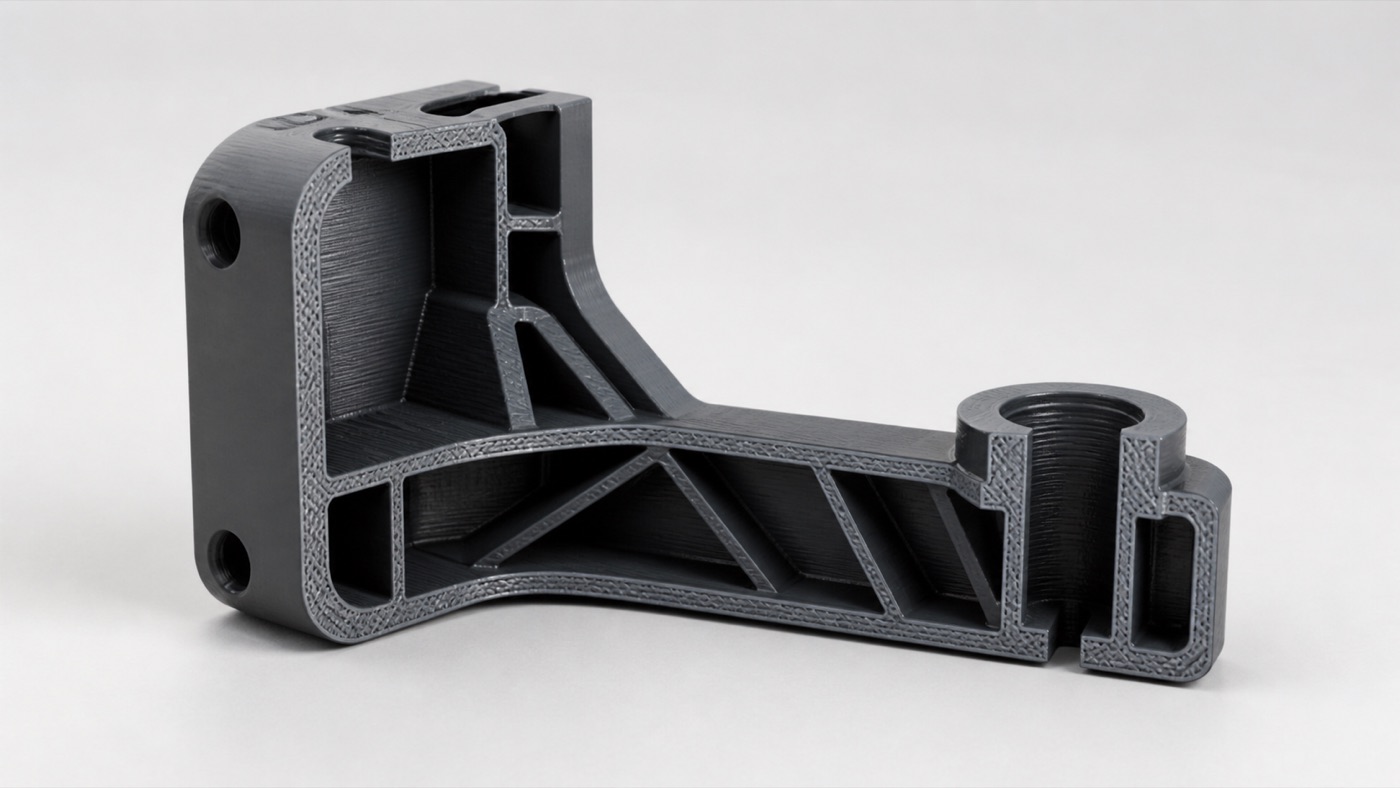
For a water-resistant container, wall design matters more than simply increasing infill. Multiple continuous perimeters create a more robust barrier. Top and bottom thickness should also be sufficient. The exact values depend on nozzle size, geometry and pressure.
Seams and openings
A perfect printed shell can still leak around a lid, screw or cable. Use gaskets or O-rings where appropriate. Design grooves with controlled compression. Cable glands and purpose-made seals are often better than simply squeezing a wire through a printed hole.
Rain is different from immersion
An electronics enclosure protected from rainfall may only need sloped surfaces, drainage and sealed openings. An enclosure that will be submerged faces hydrostatic pressure and should be engineered and tested accordingly. Do not use an unverified printed enclosure for safety-critical underwater equipment.
Design for drainage
Sometimes preventing every drop from entering is less practical than ensuring water cannot remain trapped. Outdoor products can use drain paths, drip edges and downward-facing vents. Good geometry reduces dependence on sealants.
Post-processing and coatings
Suitable coatings can help seal porosity, but compatibility with the plastic and environment must be verified. A coating can crack if the part flexes. For food, drinking-water or medical contact, do not assume a generic coating is safe; use certified systems appropriate to the application.
Heat and sunlight in Bangladesh
Outdoor enclosures can become significantly hotter than ambient air, especially in direct sun. Choose material based on both moisture and temperature. Color, ventilation and mounting position can influence surface temperature.
Test the finished assembly
Water performance should be tested after the enclosure is fully assembled with its actual screws, cables and seals. Start with low-risk conditions. Inspect for leaks and repeat after opening and closing the product because seals can behave differently after service.
Choosing a service
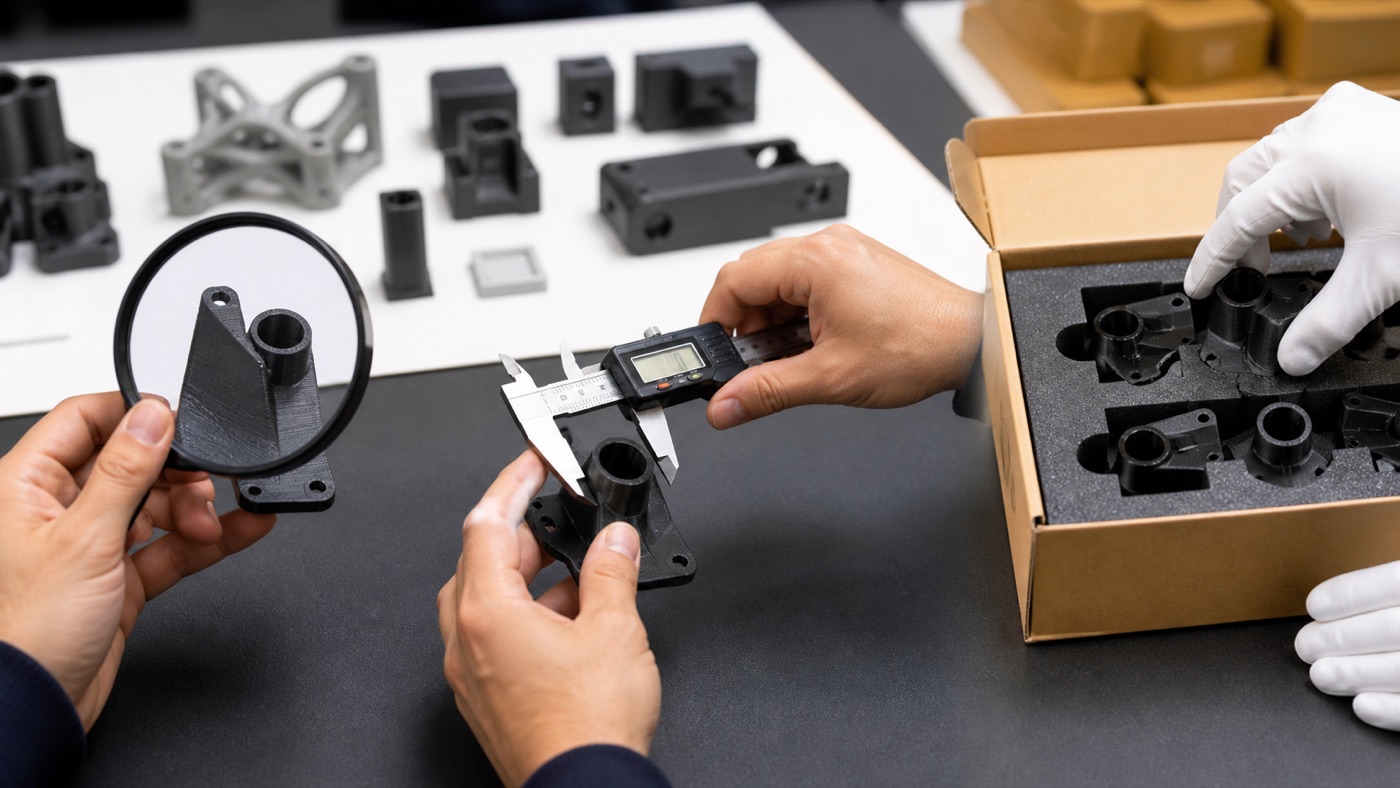
Tell the printing team whether the part faces rain, splash, humidity or immersion, plus sunlight and heat. Artin3D can help clients select a practical material and print enclosure prototypes, but final environmental validation should match the real application.
Conclusion
Waterproof 3D printing is primarily a design and validation problem, not just a filament choice. PETG and ASA are useful candidates for many outdoor parts, but walls, layer bonding, gaskets, openings and testing determine whether the finished assembly actually keeps water out. Artin3D – Where ideas take shape.