
একাধিক প্লেটে একই ব্যাচের ফিনিশ মেলানো নিয়ে এই গাইড। আপনার প্রিন্টারের মডেল ও প্লেটের ধরন মিলিয়ে নিতে নিচে সংশ্লিষ্ট পণ্যের লিংক দেওয়া আছে।
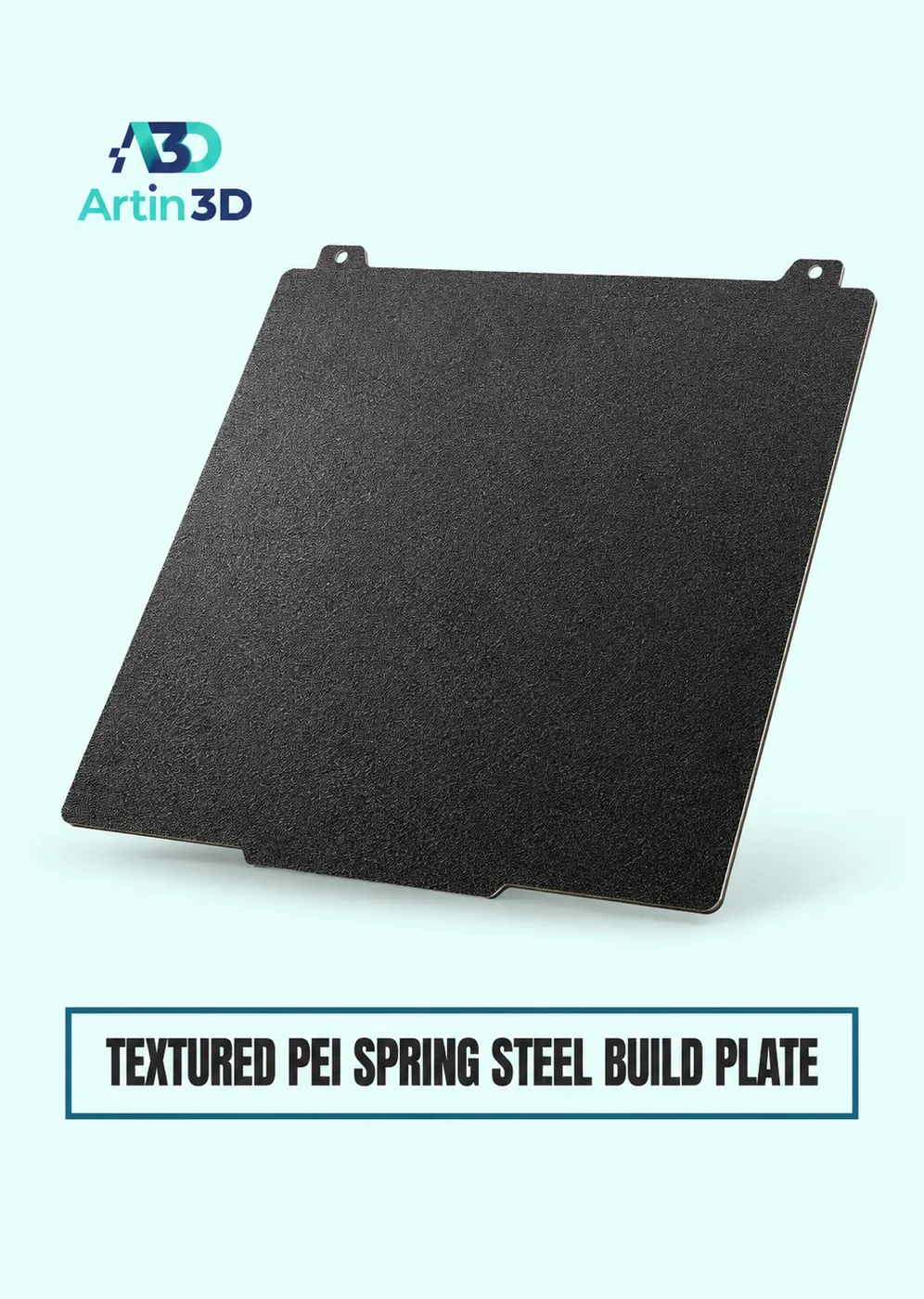
A repeat order for twelve identical display feet is a good reason to own more than one textured PEI sheet. It is also a good way to discover that two sheets can leave visibly different finishes. A customer may place all twelve feet on one table, where a slight change in sheen is easy to see. Give each sheet an identity and compare its output before you mix parts from different plates into the same delivery.
View Product · Textured PEI Plate
Define what a matched set means
Choose the side of the item that people actually see. A rear contact patch may tolerate small differences while a front lip needs a close visual match. Take one accepted part to the intended display position and record how it looks there. Decide whether the customer will compare pieces side by side or use them in separate rooms. This gives your inspection a purpose and prevents rejecting a usable batch on an irrelevant detail.
Label sheets outside the print area
Keep a card or storage sleeve for each sheet and identify both faces separately if both are printable. Use an existing handle feature for orientation. Avoid putting a label where it could change seating or enter the machine’s working area. Record the date of the last accepted sample. A note such as “sheet B, handle facing front, face two” is more useful than a note that simply says “textured.”
Print witnesses from the same spool
Place a small witness piece with the same contact geometry on each sheet. Keep filament, model orientation and viewing face consistent. Select the appropriate surface profile and follow the sheet maker’s material instructions. Let each witness cool before removal. Set all samples upright with the same edge facing the light. A rotated extrusion pattern on a narrow edge can otherwise look like a difference in the underlying plate texture.
Compare the complete row under two lights
Arrange the witnesses in a line and look along them under broad daylight. Repeat under the room lighting that will illuminate the customer’s set. Shuffle the samples and see whether the same one still stands out. If the difference follows its position on the table, the light is influencing your judgement. If it follows the sample, mark that plate face for a separate group or a closer check.
Keep plate identity through packing
Put finished pieces from each run into a labelled tray. For a job sold in pairs, pick both pieces from the same accepted group when practical. Reserve one witness from each group until the order is packed. If a scratch or uneven patch is found late, you can check the relevant tray and sheet instead of sorting every delivered set from the beginning.
Use differences without wasting good prints
A sheet with a slightly coarser look may work well for another product that has no visual reference beside it. Keep a photographed example of each approved finish and note which items use it. When a customer returns for two more pieces months later, ask for the original order reference and compare a fresh witness against the saved sample. That record gives you a much better basis for promising a match than the words “textured PEI” alone.
Artin3D | Where Ideas Take Shape.
WhatsApp or Call +880 1845 348757
www.artin3dbd.com
South Banasree Dhaka 1219