If you are ordering a custom 3D print, you may be asked a question you were not expecting: FDM or SLA? Both technologies create physical objects layer by layer, but the machines, materials, workflow and ideal applications are different.
The right answer is not that one technology is always better. The better process is the one that matches your project. This guide compares FDM vs SLA resin 3D printing in practical terms so you can make a more informed choice.
How FDM 3D Printing Works
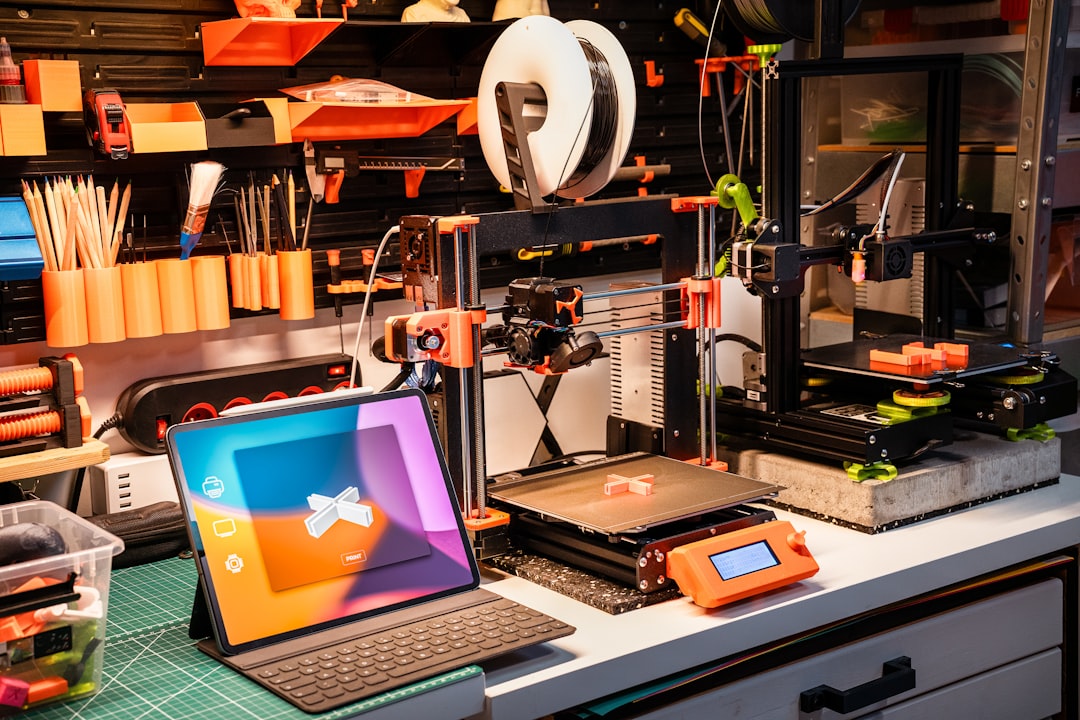
FDM, or fused deposition modeling, uses thermoplastic filament. The printer heats the material and deposits it through a nozzle, following a toolpath one layer at a time. After one layer is complete, the machine builds the next layer on top.
This approach is widely used for functional prototypes, enclosures, brackets, robotics parts, jigs, fixtures, larger models and general custom products.
How SLA Resin Printing Works
SLA uses liquid photopolymer resin that is selectively cured with light. Instead of extruding a line of melted filament, the process solidifies resin to create each layer.
Resin printing is known for capturing fine details and producing surfaces that can appear smoother than typical FDM prints. This makes it attractive for miniatures, detailed display models and small components where tiny features matter.
Detail: SLA Usually Has the Advantage
If your model contains a face on a 1:64 scale figure, tiny engraved texture or intricate decorative geometry, SLA is often the first technology to consider. Fine details that challenge a standard FDM nozzle can be reproduced more clearly in resin.
That does not mean FDM lacks detail. A well-tuned FDM machine with an appropriate nozzle and layer height can produce excellent results, but the technologies have different strengths.
Part Size: FDM Is Often Practical for Larger Objects
For large enclosures, architectural sections, robot bodies and product prototypes, FDM can be a practical manufacturing method. Large resin parts are possible on suitable equipment, but material use and post-processing can make the decision different.
Large objects can also be divided into printable sections and assembled after manufacturing.
Material Choice
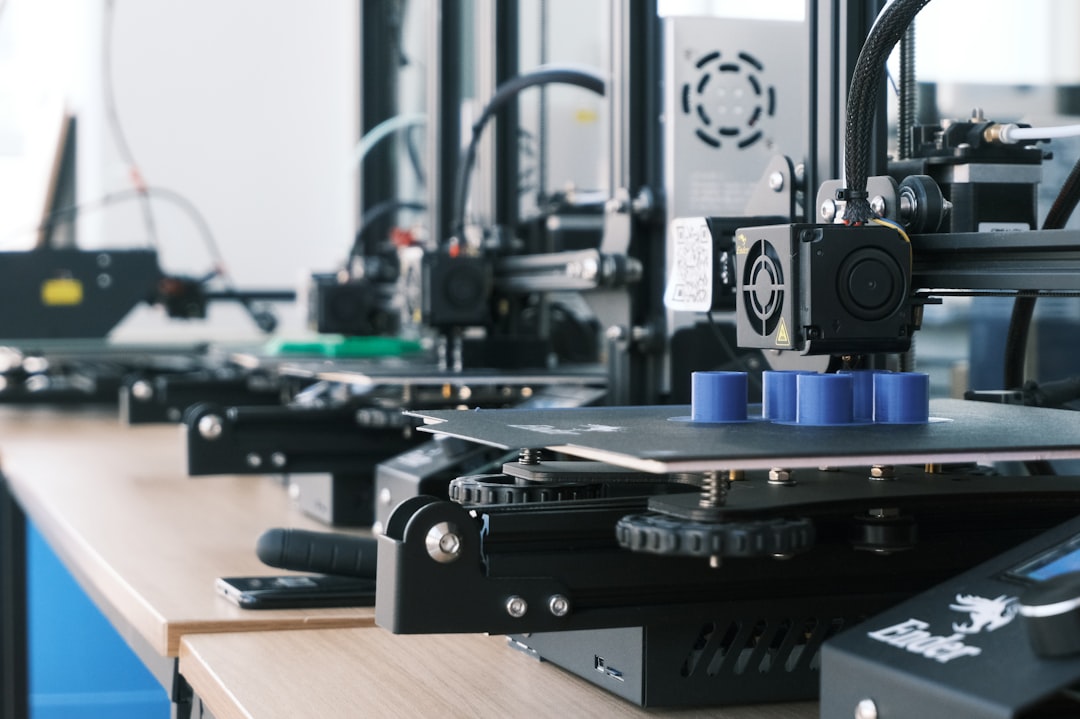
FDM offers a wide range of thermoplastic filament options. PLA, PETG, ABS, ASA and TPU are examples, each serving different needs. Flexible TPU in particular gives FDM access to applications that feel very different from rigid printed parts.
SLA uses photopolymer resins. Different resin formulations can target general modeling, toughness or other characteristics, but they should be selected according to the specific application and manufacturer guidance.
Surface Finish
FDM parts show layer lines because the nozzle deposits individual roads of plastic. Their visibility depends on layer height, nozzle size, geometry and orientation. For many functional products, these lines are completely acceptable.
Resin prints can show much finer layer transitions and are often chosen when presentation quality and small surface detail are priorities.
Supports and Post-Processing
Both technologies may need supports. FDM supports are printed in thermoplastic and removed after the job. SLA prints require a more involved post-processing workflow that includes handling uncured resin, washing and curing according to the resin process.
Resin should therefore be treated as a complete manufacturing workflow, not simply a machine that creates smoother objects.
Strength and Functional Use
There is no single statement such as “FDM is stronger” or “resin is stronger” that covers every material and geometry. Mechanical performance depends on the selected material, design, orientation and load.
For many everyday functional prototypes, thermoplastic FDM is an intuitive choice because materials such as PETG and TPU can match common product requirements. Resin can also serve functional applications when an appropriate formulation is selected.
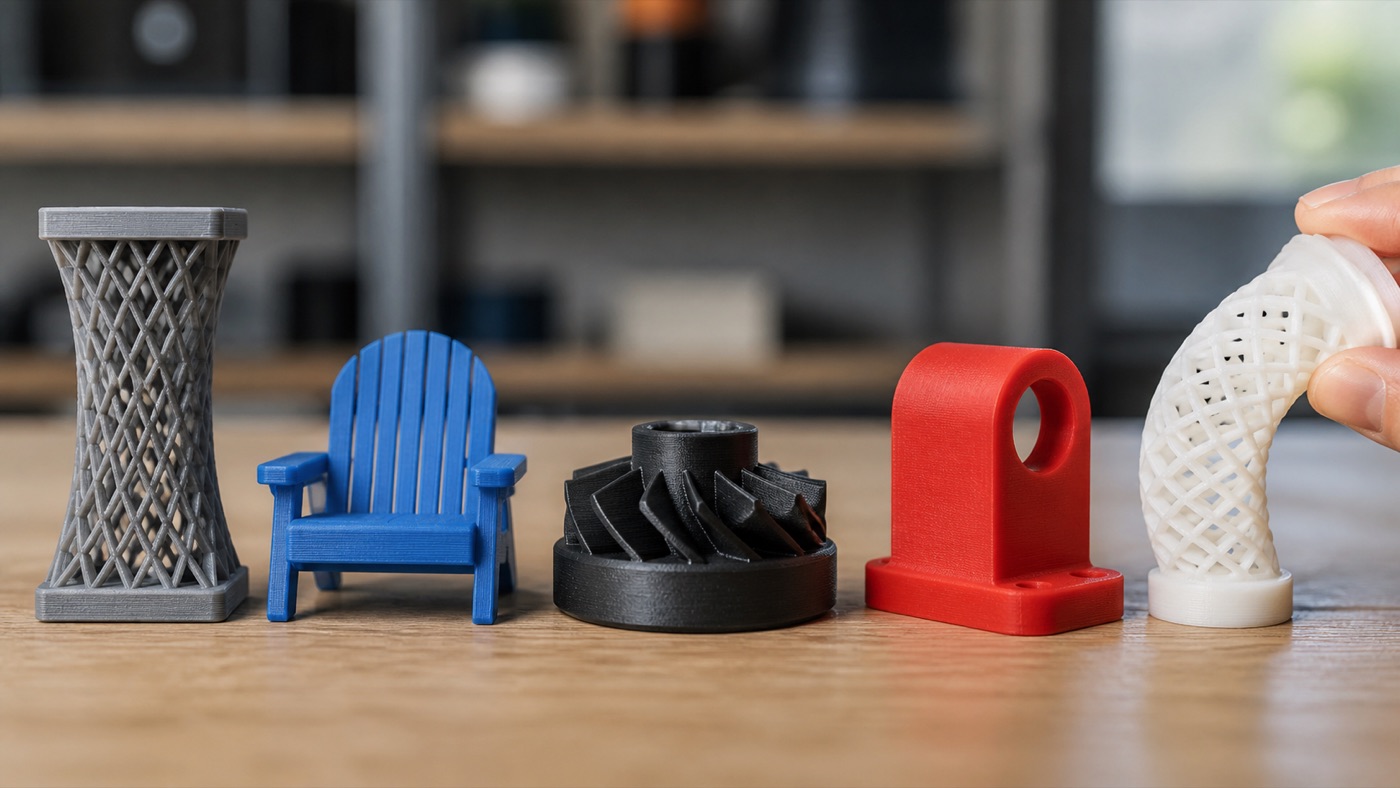
Which Is Better for Miniatures?
For small detailed miniatures, SLA is usually the more natural choice. Facial features, clothing texture and small accessories can benefit from resin’s detail capability.
Which Is Better for Enclosures?
For electronics housings, camera bodies, PCB enclosures and robotics shells, FDM is often practical. It can produce strong, useful prototypes in common thermoplastics and makes design iteration straightforward.
Which Is Better for Architectural Models?
It depends on scale and detail. Large building masses can be efficient in FDM, while small decorative façade elements may benefit from resin. A single project can even combine both technologies.
Which Is Cheaper?
Cost depends on the model rather than the technology name alone. Size, volume, machine time, supports, material and post-processing all matter. A small detailed resin part and a large FDM body cannot be compared fairly with one universal price rule.
Which Is Faster?
Again, geometry matters. FDM time is affected by toolpath length, layer height, nozzle and settings. Resin production behaves differently because of how layers are exposed. Post-processing time should also be included when thinking about total turnaround.
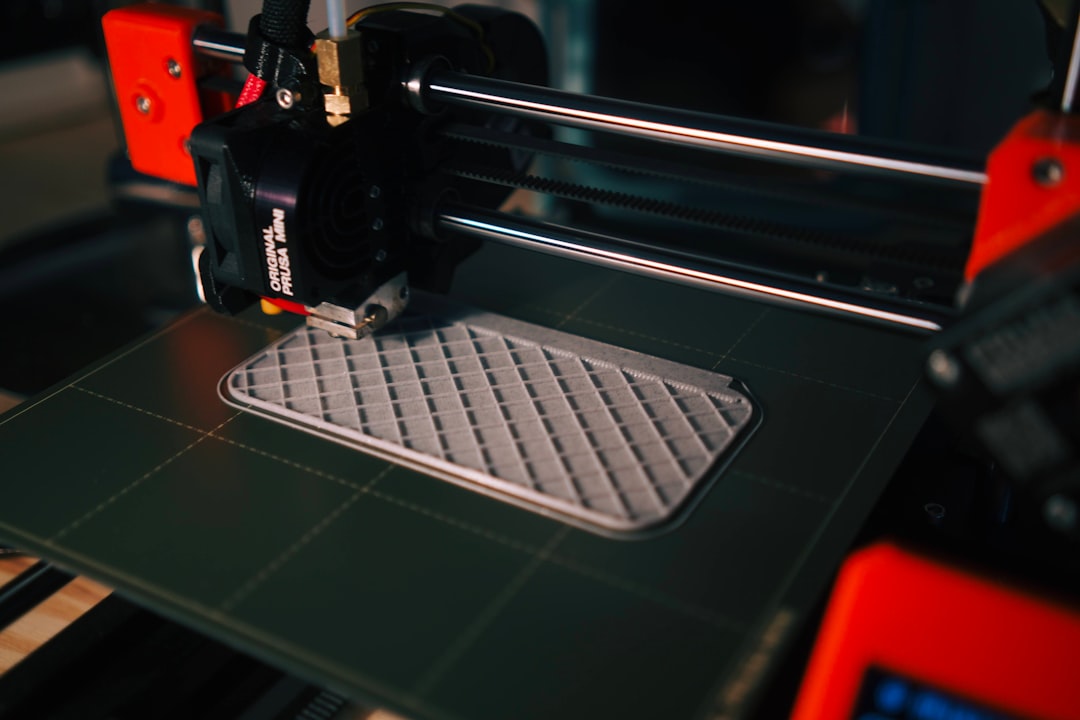
A Simple Decision Guide
If you need a functional bracket, enclosure, flexible component or larger prototype, start by considering FDM. If you need a miniature, tiny details or a highly detailed presentation object, start by considering SLA.
Then refine the decision based on material, environment, size, budget and finishing requirements.
FDM and SLA Printing at Artin3D
Artin3D provides both FDM and SLA printing for custom projects. You do not need to know the correct technology before contacting us. Send the model and explain what the part needs to achieve.
The best printing process is the one that solves the actual problem.
Artin3D – Where ideas take shape.