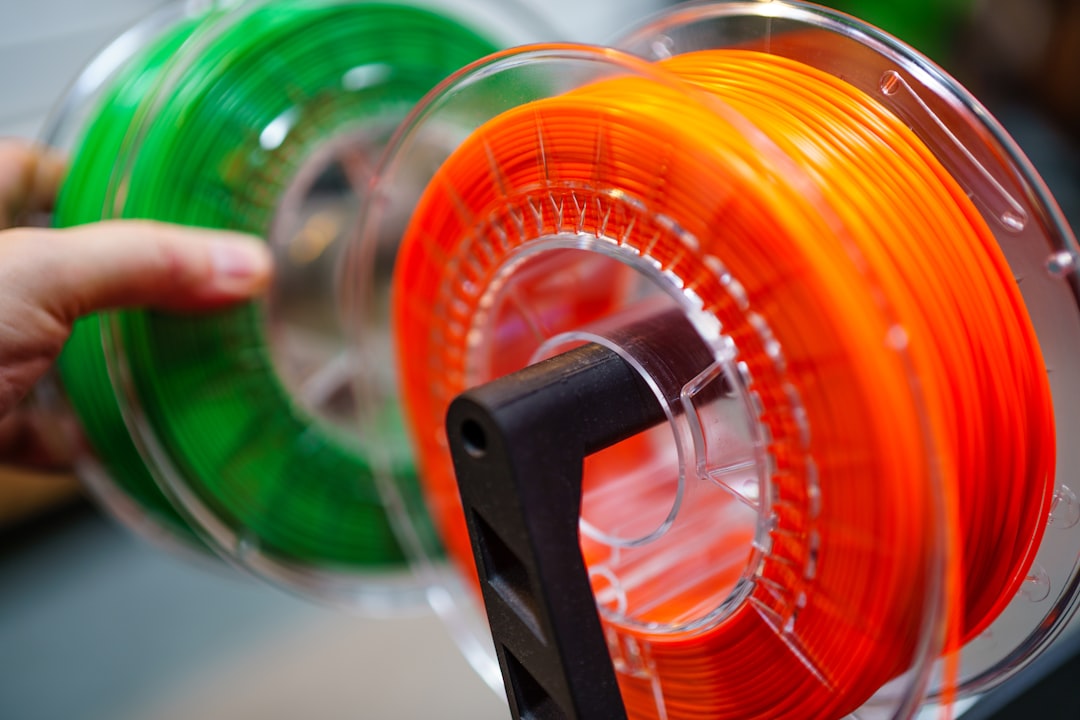
Drying filament can restore print quality when moisture causes popping, stringing, bubbles or inconsistent extrusion. The key is to use an appropriate drying temperature and enough time without softening or deforming the spool.
Why drying works
Hygroscopic polymers absorb water from air. Controlled heat helps drive that moisture back out of the filament before printing.
Different materials need different treatment
PLA, PETG, TPU, ABS, ASA and nylon have different thermal properties, so a single drying temperature is not suitable for every spool. Always check the filament manufacturer’s recommendation first.
General workflow
- Confirm the material type.
- Check the manufacturer’s safe drying range.
- Use a controlled filament dryer or suitable dehydrating setup.
- Allow enough time for the full spool to dry.
- Store it immediately in a sealed dry environment afterward.
Avoid excessive heat
Too much heat can deform filament, fuse windings together or damage plastic spools. Do not treat a filament dryer like an oven with unknown temperature accuracy.
How long does drying take?
Drying time depends on material, spool size, moisture level and equipment airflow. A mildly damp spool may recover faster than a nylon spool that has been exposed to humid air for days.
Drying is not permanent
Once a spool is dry, it can absorb moisture again. Store it with desiccant or feed directly from a dry box for long prints.
When to dry
Dry filament when symptoms point to moisture, before critical production jobs, or when highly hygroscopic materials have been exposed for too long.
Artin3D treats drying, storage and material handling as part of repeatable production quality. Artin3D – Where ideas take shape.