
Tall prototype box এ combined infill layer দিয়ে সময়ের পার্থক্য পরীক্ষা করুন। Nozzle limit, internal path এবং top closure Preview তে মিলিয়ে নিন।
A tall prototype with thin visible layers may spend a substantial part of its job on internal paths. Some slicers can combine internal infill across layers while retaining a finer perimeter schedule. This is a useful controlled experiment when the selected machine and profile support it. Evaluate the actual sliced result and a small physical sample before applying the setting to a long print.
Choose a model with meaningful internal fill
Select a prototype section containing enough internal volume for an infill comparison. A hollow open box with only thin walls may offer very little to combine. Preserve the intended wall thickness and a representative top closure in the test. Record the printer, nozzle and layer height. Save a baseline project before changing the infill schedule so it can be compared with the alternative.
For other changes to internal structure, compare Compare Lightning Infill Under the Top of a Decorative Prop and Compare Infill Wall Overlap at a Small Box Corner while keeping the acceptance requirements fixed.
Check the supported combination controls
Prusa documents manual layer combination and automatic combination controls, depending on the workflow and version. The maximum combined layer height is constrained by the nozzle and profile. Use the supported limits for your installed configuration. Record the selected setting and leave internal density and pattern unchanged initially. If no paths change after slicing, inspect the limit and geometry before assuming the feature is working.
Compare internal and outer paths in Preview
Move through several neighbouring layers and compare the internal paths with the outer walls. Confirm which layers contain the thicker infill and where normal fill resumes near surfaces. Inspect the top closure and any small internal region. Save screenshots and the time estimate for both projects. Also inspect the available flow view because a different internal extrusion schedule can change the demand on the material system.
Print a representative closed section
Use the same identified material and orientation for the baseline and combined version. After cooling, compare the outside surface, top closure and dimensions that matter to the prototype. If internal inspection is important, prepare a separate cutaway sample that exposes the region without relying on a finished closed part. Record actual job time and any extrusion defects instead of inferring success from the estimate alone.
Keep the setting only when the sample passes
Compare the observed time difference with the sample’s appearance and intended use. Do not assign a structural rating from a quick prototype test. If the combined version is unacceptable, return to the baseline and investigate a smaller supported combination or another workflow. Save the approved profile with the nozzle, material and model revision, then reslice and inspect the complete box before starting the longer job.
Compare costs per accepted sample
Keep the material amount, completed time and pass or fail result for both versions. A shorter estimate is useful only when the resulting prototype remains acceptable. If a sample needs reprinting or extra finishing, include that work in the practical comparison.
Relevant products from Artin3D
SUNLU PLA Filament 1.75mm
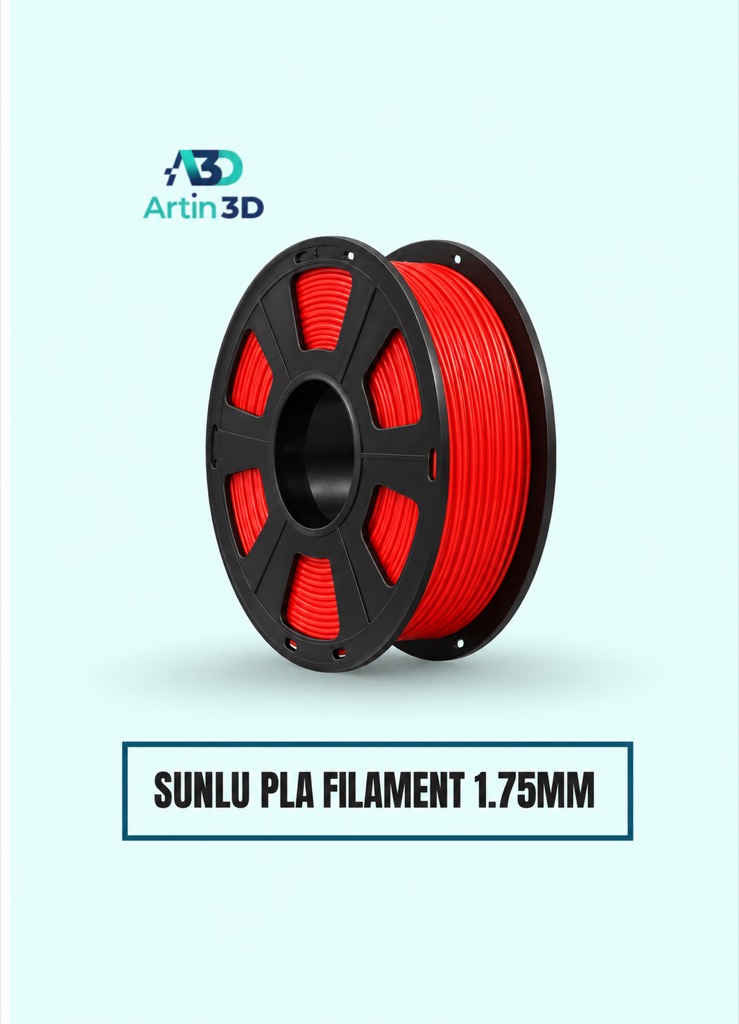
SUNLU PLA is a candidate for a PLA prototype comparison on a compatible printer. Use the exact grade’s supported profile and the same spool in both trials.
Digital Vernier Caliper
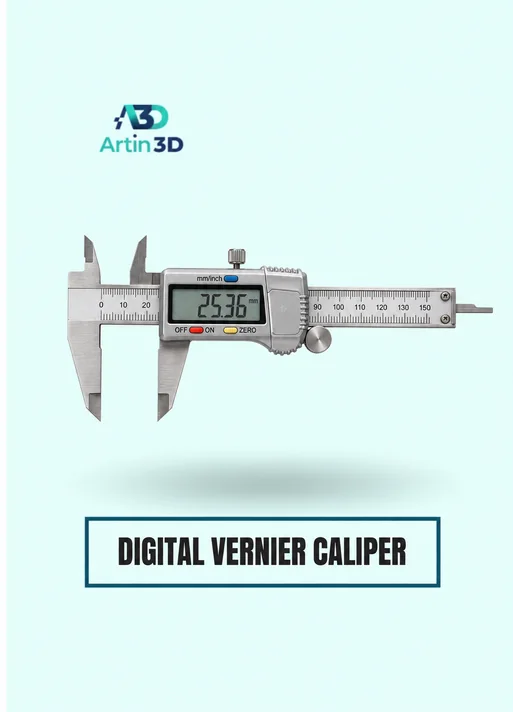
The Digital Vernier Caliper supports outside size and accessible wall checks. Confirm its specification and record consistent measurement positions.
Quick questions
Will combining infill always reduce print time?
The geometry, nozzle limits and other speed constraints determine the sliced result. Compare estimates and completed jobs.
Can I use any combined layer height?
Remain within the supported nozzle and profile limits and inspect the generated internal paths.
Confirm the exact product variant, printer compatibility, current price and availability on the linked product page before ordering.
Need help preparing a representative sample? Explore Artin3D’s 3D design service or upload your STL file for a 3D printing quote. Include the mating dimensions, intended material and acceptance requirements.