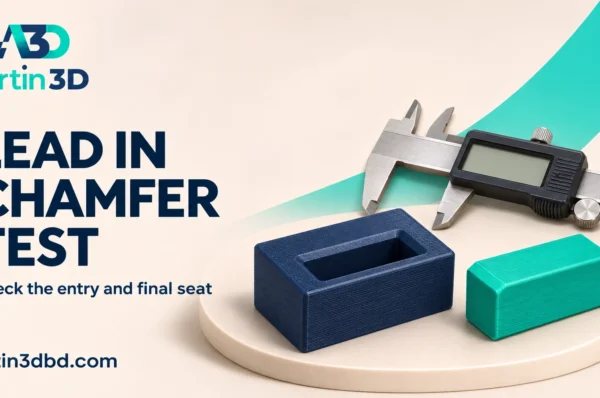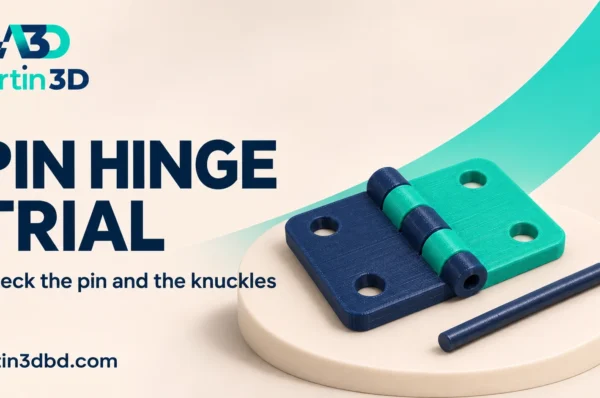

Sliding part আটকে গেলে প্রথমে নিচের edge ও ওপরের body আলাদা করে মাপুন। ছোট mating coupon দিয়ে elephant foot compensation এর প্রভাব যাচাই করুন।
A sliding part can fit through most of its height and catch near the surface that touched the build plate. A short mating coupon helps you inspect that region without printing an entire assembly. This test combines measured dimensions with a simple fit check. It is designed to separate the behaviour of the lower edge from the dimensions of the rest of the part.
Design a coupon around the real mating feature
Create a short section of the rail, tongue or slot used in the actual design. Preserve the intended clearance and print orientation. Add identifying marks away from the surfaces that touch during assembly. Save both mating parts as one project and record their nominal dimensions. Choose a sample size that is easy to measure consistently with your available caliper.
Separate a first layer obstruction from the mating feature dimensions using Check Hole Compensation With a Separate Pin and Hole Coupon and Test a Lead In Chamfer on a Printed Plug and Socket.
Measure the baseline at two heights
Print the baseline using the supported material and plate profile. After the sample has cooled, measure near the lower edge and at a defined position higher on the body. Use the same measurement direction and light contact each time. Record where the mating piece starts to resist sliding. Photograph that position so the fit observation can be compared with the measured dimensions.
Apply a small, documented compensation change
Prusa describes elephant foot compensation as a way to shrink the first layer to account for its expanded edge. Record the current setting in your profile before making a test change. Keep the model, bed preparation, temperature profile and nozzle unchanged for this comparison. Inspect the first layer Preview and label the next printed coupon with the setting used.
Evaluate clearance and the condition of the lower edge
Compare the new sample with the baseline using the same mating piece. Measure the same two heights and record how far the piece slides under the same gentle handling. Inspect small features and the attachment of any brim that your setup uses. Treat the accepted result as a combination of the required fit and a satisfactory printed edge for the actual part.
Transfer the accepted setup to the real assembly
Print a representative section of the full assembly with the accepted compensation setting and the original design clearance. Keep its material and orientation consistent with the coupon. Save the results with the CAD revision and slicer profile name. If the larger part behaves differently, repeat the measured comparison before changing several dimensional settings together. The coupon then remains a useful reference for the next revision.
Relevant products from Artin3D
Digital Vernier Caliper
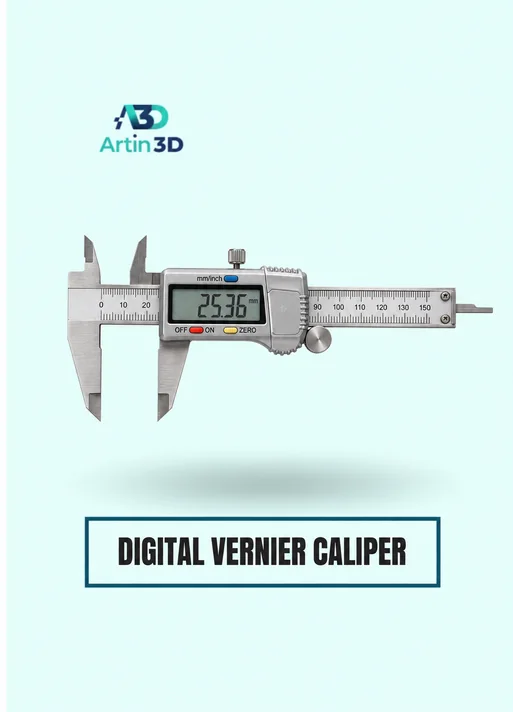
A Digital Vernier Caliper is useful for the two height measurement log. Confirm the offered instrument’s range and accuracy and keep its measuring surfaces clean.
n
Dual-Sided Textured and Smooth PEI Build Plate
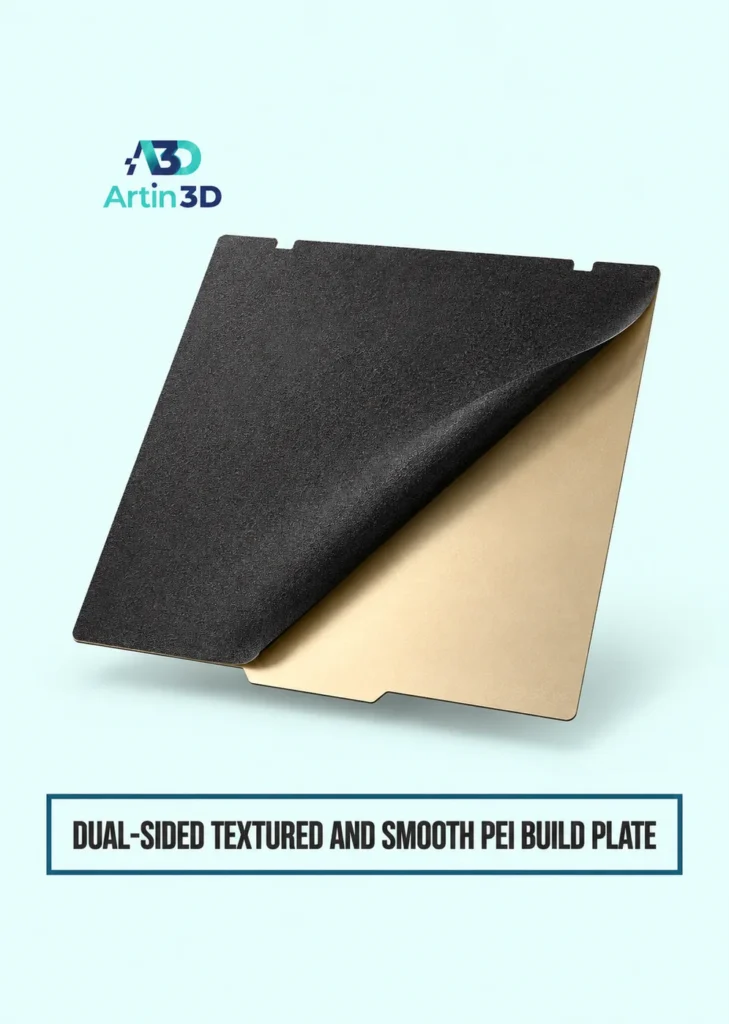
A Dual Sided Textured and Smooth PEI Build Plate can support a controlled plate face comparison on a compatible printer. Confirm dimensions, tabs, magnetic base compatibility and the material’s surface instructions.
n
Quick questions
Should I change the CAD clearance first?
Measure the lower edge and body, then use a controlled coupon to decide which part of the setup needs adjustment.
Will one compensation setting suit every material?
Validate the setting with the actual material, plate and profile used for the assembly.
Keep a useful test record
Save the sample identifier, model revision, printer and nozzle, material, changed setting and inspection result with the project. When enquiring about a suggested product, send Artin3D the exact printer model and required size or material grade, then confirm current price and availability on the linked product page.
Need help preparing a representative sample? Explore Artin3D’s 3D design service or upload your STL file for a 3D printing quote. Include the mating dimensions, intended material and acceptance requirements.