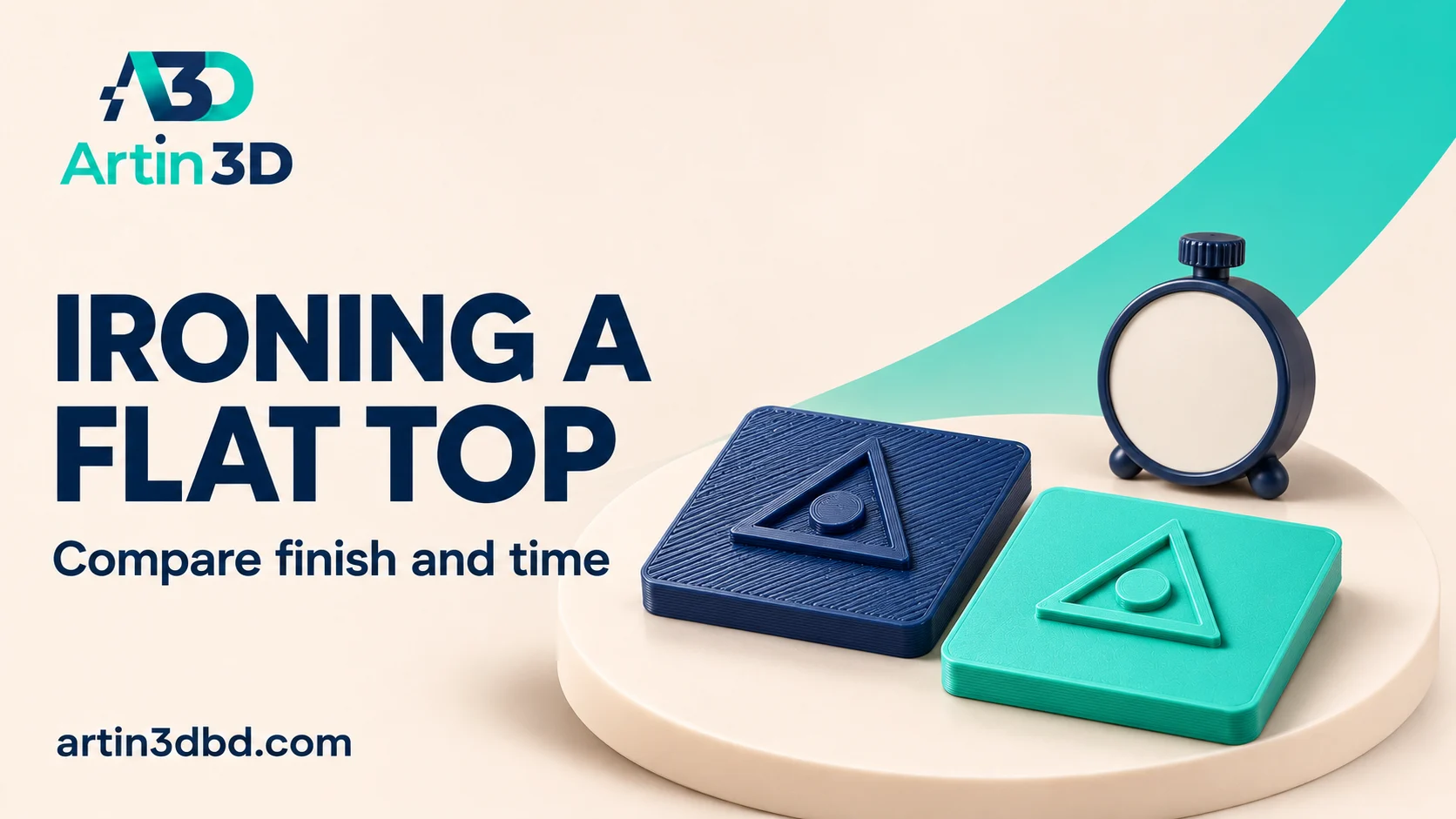
Flat nameplate এ ironing ব্যবহার করার আগে একটি ছোট sample এ finish ও বাড়তি print time তুলনা করুন। Raised letter এবং background এর কোন অংশে ironing লাগবে, সেটিও Preview তে দেখুন।
A smoother top surface can be useful on a nameplate, but the acceptable result also depends on the lettering and the time added to the job. Create a small representative sample and compare a baseline with an ironed version. This test provides a practical way to decide whether ironing belongs in the profile for a particular flat printed sign.
Include the features that matter to the sign
Prepare a small tile with a flat background and lettering similar to the final design. Keep the letter height, spacing and smallest stroke representative. Mark the baseline and test filenames before slicing. Use the same material colour, nozzle and orientation for both versions. A plain rectangle alone may miss the edge quality you want to evaluate around the actual letters.
Before ironing, compare the ordinary top surface with Compare Top Fill Patterns on a Small Display Tile; if the baseline extrusion is uncertain, follow Keep OrcaSlicer Flow Ratio Test Formulas With the Correct Method.
Define which top surfaces will be processed
Prusa describes ironing as an additional pass used to smooth flat top surfaces. The selected ironing type affects whether multiple horizontal levels or only the topmost level are processed. Inspect the nameplate in Preview and identify the background and letter tops. Record which surfaces the chosen option covers in your slicer. Keep a screenshot so the intended finish can be checked against the printed sample.
Record the additional time before printing
Slice a baseline with ironing disabled and save its time estimate. Enable ironing for the test version using the supported starting settings and record the new estimate. Note any change in the specific areas being processed. After printing, record the observed job times as well. The difference gives you a useful basis for discussing the finish requirement on a larger batch.
Inspect the broad surface and letter edges separately
Photograph both samples from the normal reading position and with consistent light across the top surface. Compare the broad background, the tops of letters and their edges as separate observations. Use the same acceptance criteria for both samples. Keep small edge marks visible in the record even when the broad surface looks smoother, because lettering quality can affect the finished sign.
Test one refinement and keep the accepted profile
If the baseline and ironed sample show a meaningful difference, choose one ironing parameter for a follow up trial. Keep the rest of the setup fixed and preserve the time comparison. Confirm the result on the final artwork before approving a batch. Save the chosen settings with the sign revision, material and sample photograph so the finish can be reviewed consistently on later orders.
Relevant products from Artin3D
SUNLU PLA Matte Filament 1.75mm
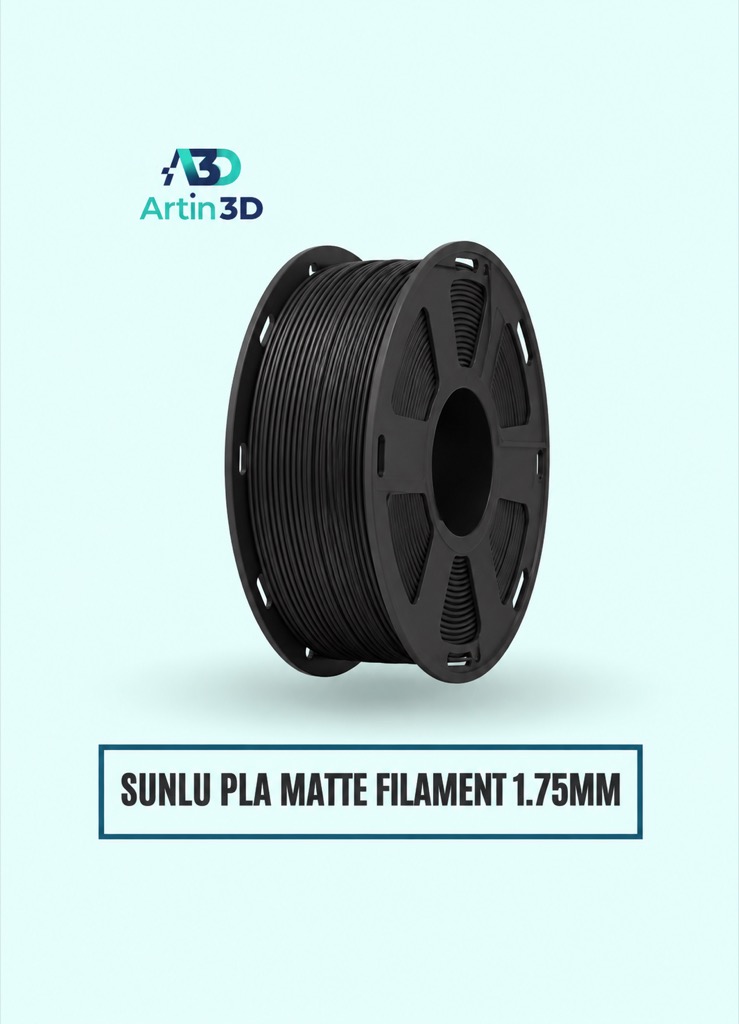
SUNLU PLA Matte is relevant for a matte sign trial. Compare the finish on the exact colour and grade planned for the final plate.
n
Dual-Sided Textured and Smooth PEI Build Plate
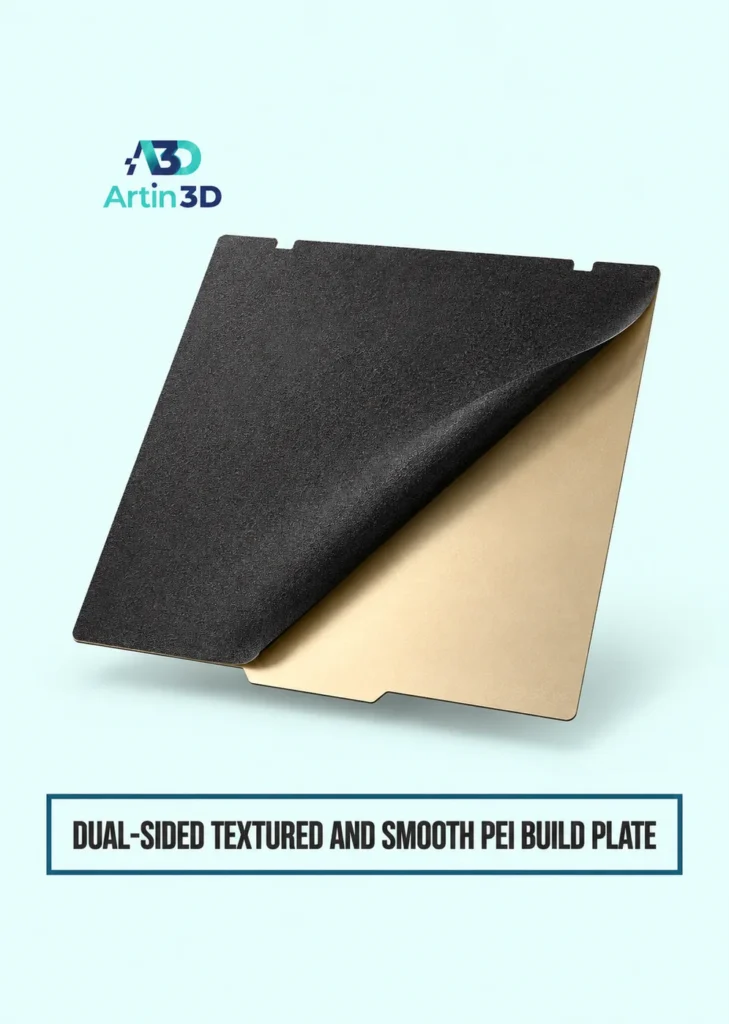
A Dual Sided Textured and Smooth PEI Build Plate offers two underside textures for compatible systems. It can support a separate face orientation experiment when the design allows the presentation face to touch the plate.
n
Quick questions
Will ironing smooth a curved figure in the same way?
The documented feature targets flat top surfaces. Evaluate the actual horizontal surfaces in the model.
Should every nameplate in a batch use ironing?
Choose the accepted finish from a representative sample and include the added job time in your batch plan.
Keep a useful test record
Save the sample identifier, model revision, printer and nozzle, material, changed setting and inspection result with the project. When enquiring about a suggested product, send Artin3D the exact printer model and required size or material grade, then confirm current price and availability on the linked product page.
Need help preparing a representative sample? Explore Artin3D’s 3D design service or upload your STL file for a 3D printing quote. Include the mating dimensions, intended material and acceptance requirements.