ক্লাসরুমে ছায়ার দিক ও দৈর্ঘ্য বোঝাতে ডায়ালের ওপর কাগজ রেখে ছায়ার মাথা চিহ্নিত করুন। আলো ও সূচকের অবস্থান একবারে একটি করে বদলালে শিক্ষার্থীরা কারণটি ধরতে পারবে।
A tabletop shadow dial is a useful way to demonstrate why the direction and length of a shadow change. Print the dial face and its upright pointer as separate components so pupils can compare different setups. This project is a classroom model for observation. A clock calibrated to give civil time would require additional astronomical and location information. Label the demonstration in terms of what the class will actually measure.
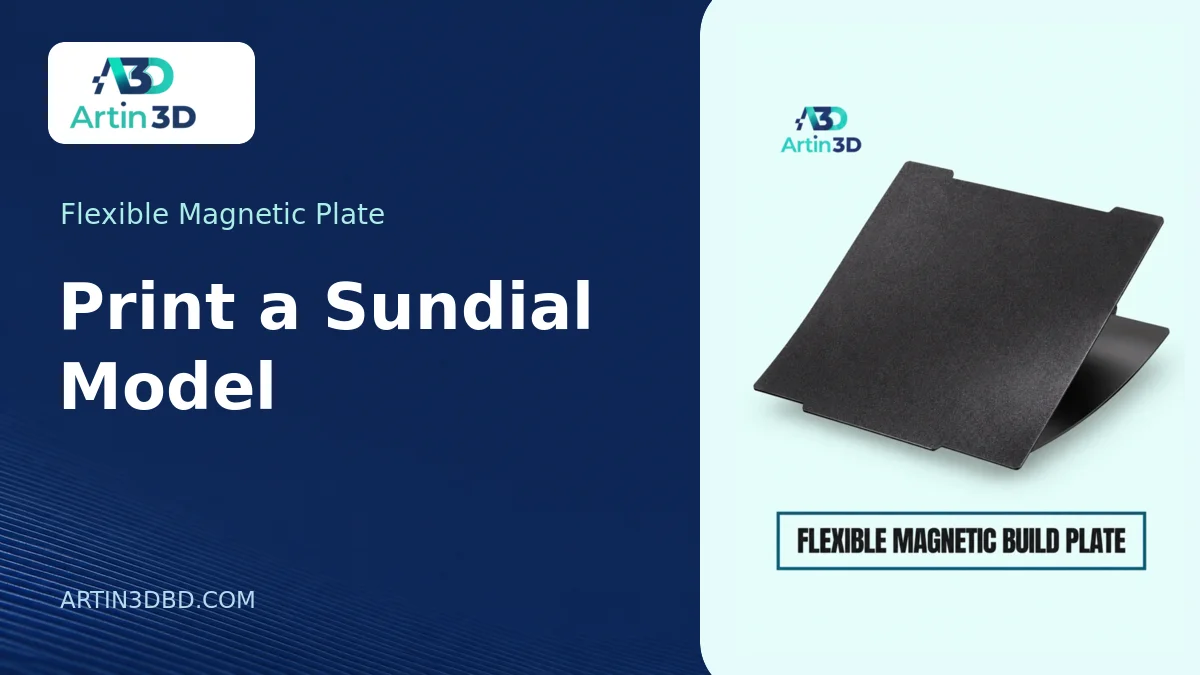
View Product · Flexible Magnetic Plate
Choose a repeatable light arrangement
For an indoor lesson, use a stable tabletop lamp in its normal operating arrangement and keep the model clear of hot surfaces. Put a sheet of paper beneath the model and mark the base position. Mark several positions for the light at roughly the same distance from the centre. That way the class can change the direction of the light while keeping the other parts of the demonstration reasonably consistent.
Design the dial as a recording surface
Give the face a centre mark, an orientation arrow and a removable paper overlay if pupils will trace shadows. Plain divisions around the edge make it easy to record a direction without pretending each line corresponds to an hour. Leave enough space for the longest expected shadow. If the shadow regularly runs off the face, make a larger paper overlay before committing to a bigger printed dial.
Print the pointer as a replaceable part
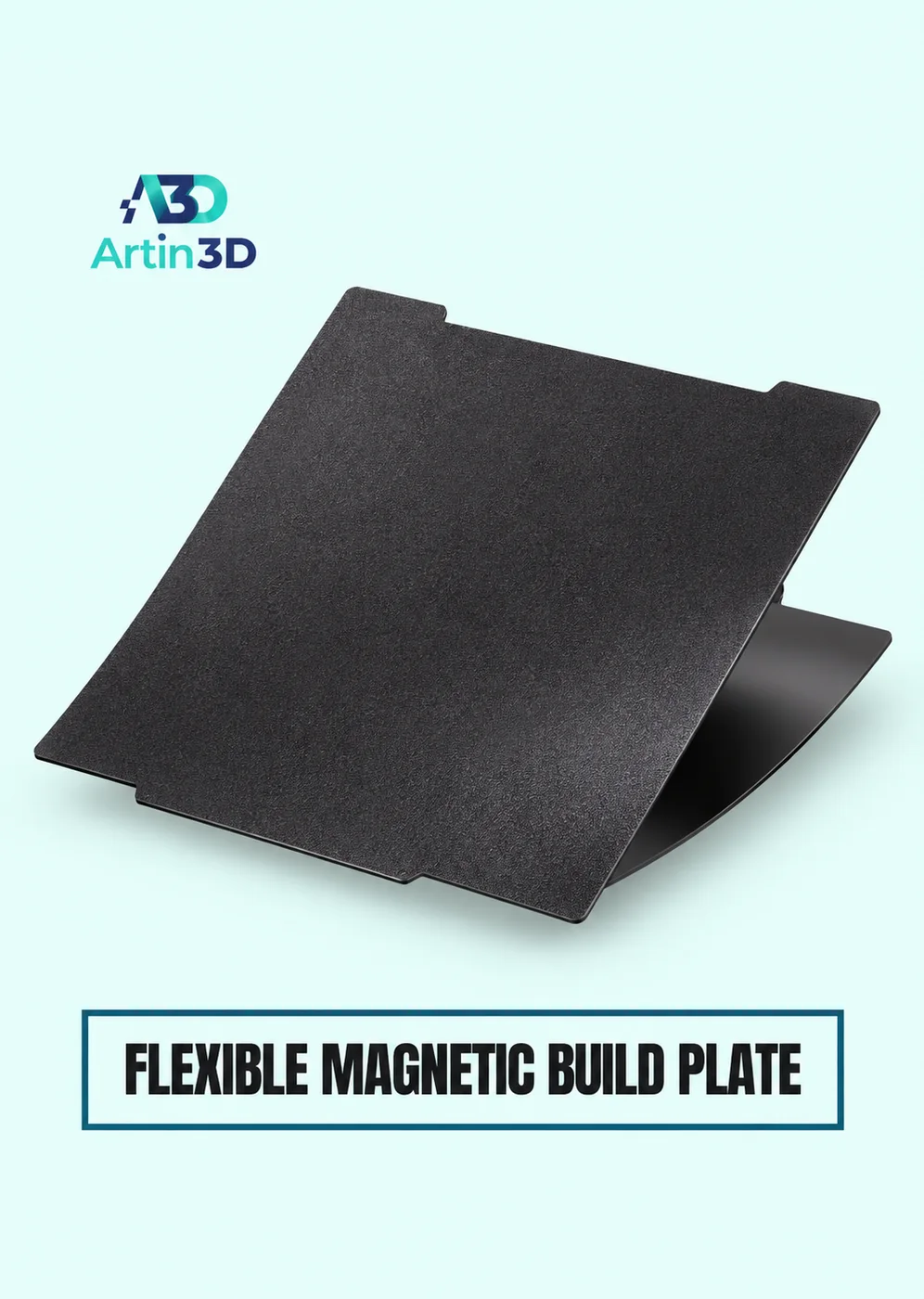
A simple vertical peg works for a lesson about shadow length. Give it a broad seating reference so pupils can tell when it is upright. A keyed socket is useful if the pointer has a directional shape. Print a small trial socket on a compatible flexible magnetic build plate using the printer’s approved surface profile. Check the fit after cooling. A pointer leaning inside a loose socket changes the observation even when the lamp stays still.
Run one controlled comparison
Set the light at the first marked position and trace the shadow tip. Move the light to the second position without turning the dial. Trace again in a different colour. Ask pupils which change altered the shadow direction. Then return the lamp to the first position and change only its height within its normal adjustment range. Compare the length of the second shadow with the original trace.
Distinguish a broad shadow from a bad print
A broad light source can produce a fuzzy shadow edge. Choose one convention, such as marking the centre of the shadow tip, and use it throughout the lesson. If the shadow changes when nobody moves the light, check the base position and pointer seating. If the edge remains soft at every position, discuss the light source before redesigning the printed part.
Preserve the observation
Save the overlay with the date, lamp positions and pointer height. Pack the dial and pointer separately with a sketch of the reference orientation. A second class can reproduce the arrangement and compare its traces. If the next lesson uses sunlight, use fresh labels and note the observation time and orientation. The printed components remain useful while the class changes the question it is investigating.
আরও পড়ুন বড় মডেল ভাগ করার আগে জোড়ের নমুনা পরীক্ষা
Artin3D | Where Ideas Take Shape.
WhatsApp or Call +880 1845 348757
www.artin3dbd.com
South Banasree Dhaka 1219